If you’ve ever ended a call with an aging parent and thought, “He didn’t sound quite right,” you know how subtle changes can nag at you.
Now, new technology aims to turn that gut feeling into data — without turning home into a hospital.
Utah-based health tech company Canary Speech has entered the consumer market for the first time through a partnership with JubileeTV, a TV-based caregiving platform designed for seniors and their families.
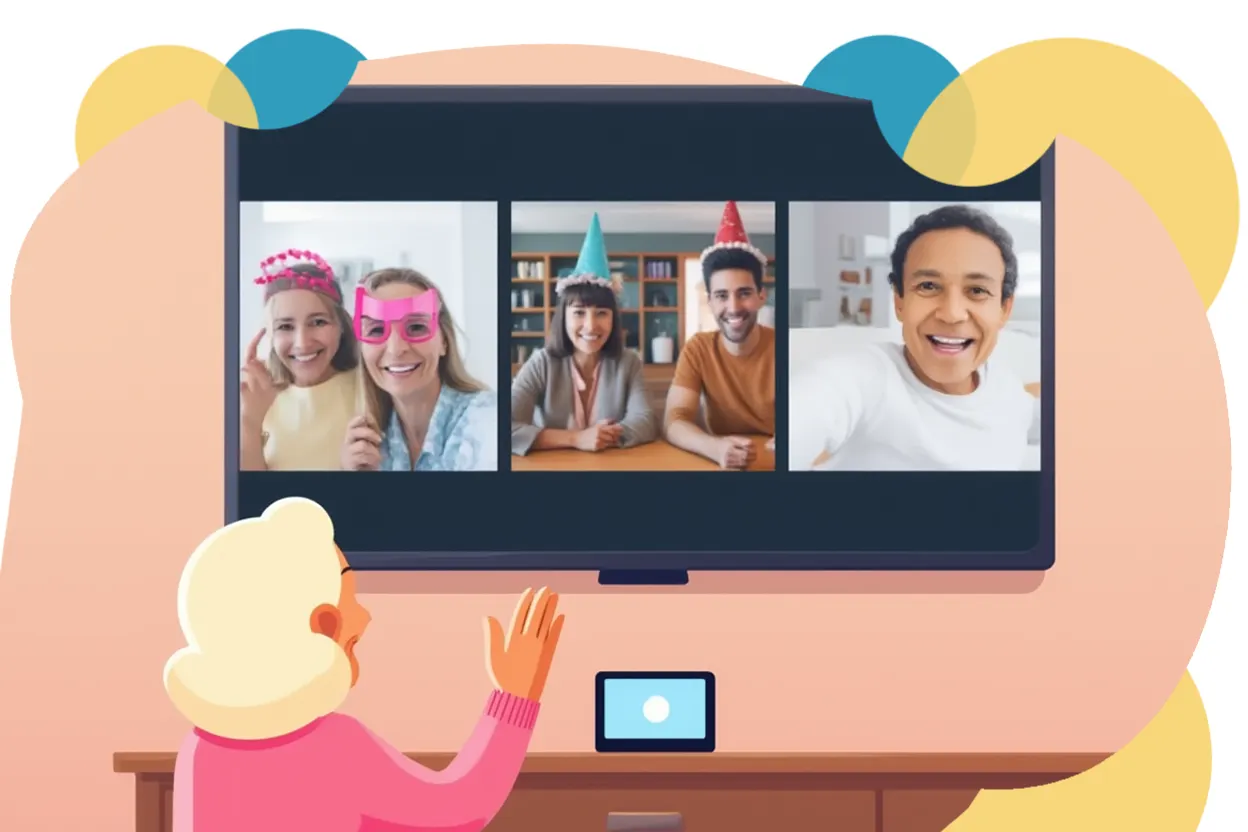
The integration embeds clinically informed voice analysis into everyday video calls that happen right on the senior’s television.
How it works
During a JubileeTV video call, brief snippets of speech are analyzed quietly in the background. The system looks at acoustic and language patterns and generates simple, non-diagnostic scores tied to:
- Mood
- Stress
- Energy
- Cognitive patterns
The insights appear in the JubileeTV app after the call.
This isn’t a diagnosis tool...
It’s designed to track trends over time, giving families earlier awareness of subtle changes.
Henry O’Connell, CEO of Canary Speech, told Smart Senior Daily that the company’s research shows speech patterns can reveal meaningful shifts in how someone is functioning. The goal is to provide earlier context — without making daily life feel clinical.
Why this matters for aging in place
Three realities are reshaping senior care:
- Long-term care costs continue to climb.
- There are fewer caregivers per older adult.
- People are living longer, often with more complex health needs.
Dr. Ashish D. Aggarwal, Co-Founder and CEO of JubileeTV, said AI has largely overlooked adults over 75. This partnership, he noted, brings personalized insight through the simplest interface seniors already know — the television.
That simplicity may be the biggest innovation here.
No new app to download.
No wearable to charge.
No complicated dashboard to learn.
For seniors aging in place — and for families juggling caregiving from a distance — this could offer another layer of peace of mind.
Privacy questions — answered
Any time AI enters the living room, privacy becomes the first concern. This is important. Very.
According to the companies:
- The feature is strictly opt-in and requires consent from both the older adult and a designated family administrator.
- Voice analysis occurs only during enabled JubileeTV video calls.
- Short audio snippets are processed to generate insights, then deleted.
- No recordings are stored.
- Voice data is not used to train AI models.
- Insights are visible only to authorized family members.
Which means...
That consent structure may ease fears that the TV is “always listening.” It isn’t — at least not under this setup.
The bigger picture
We’ve seen fall-detection watches and remote health monitors. This is different.
It listens to conversation — something seniors are already doing — and looks for patterns that may signal emotional or cognitive shifts before they become obvious.
It won’t replace doctors.
It won’t diagnose dementia.
It won’t make decisions.
But it might prompt earlier conversations.
And in senior tech, earlier can make all the difference.