
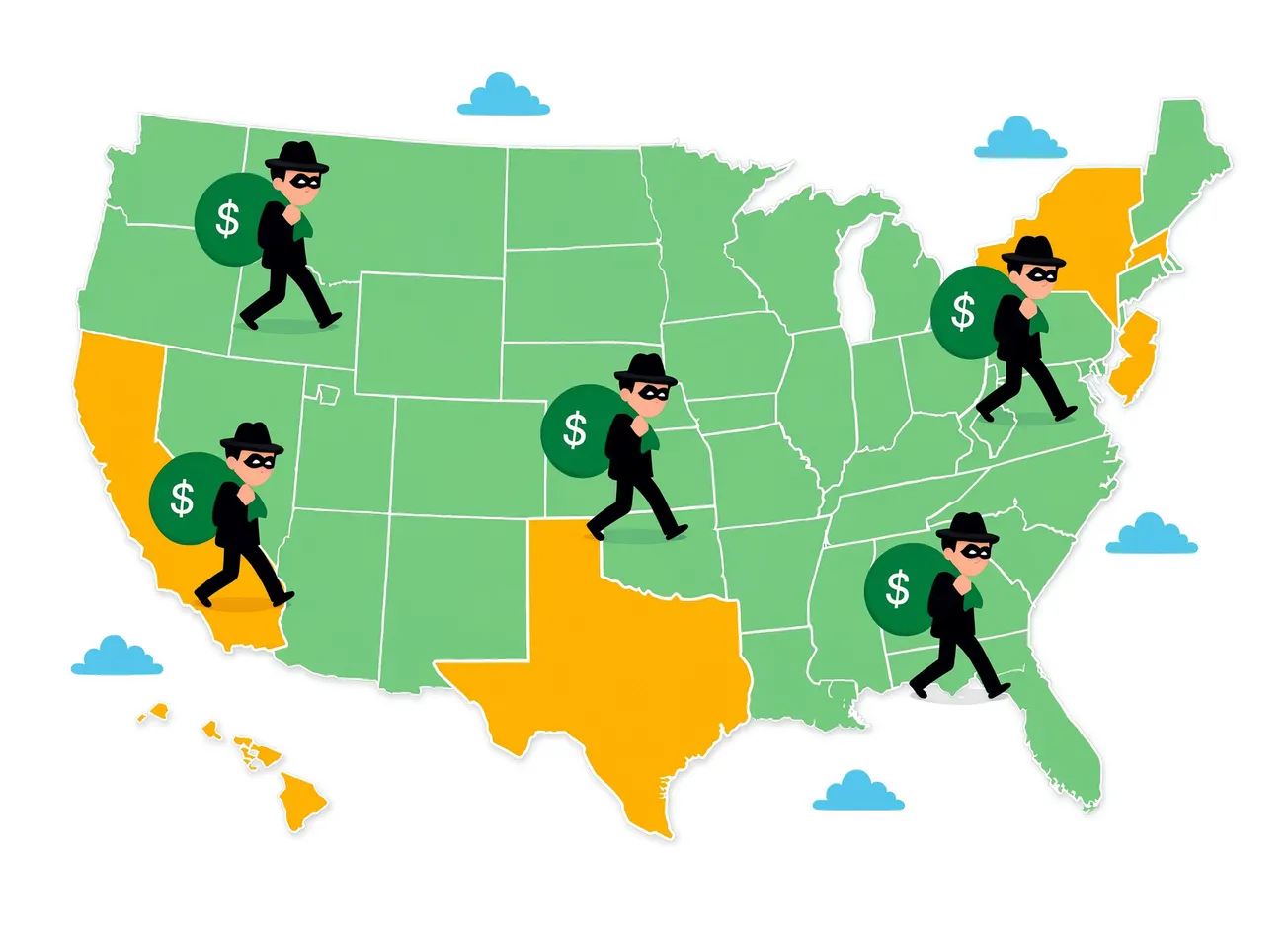
The States Where Seniors Are Getting Hit Hardest by Cyberchrime
The scammers’ favorite targets have retirement savings — and they lost nearly $7.75 billion last year

Don’t let crooks take what you’ve worked for. From phony sweepstakes calls to online romance traps, seniors are top targets. We track the latest schemes, show you how they work, and tell you how to fight back. This is your early warning system: if scammers are cooking up something new, you’ll hear about it here first — and know the red flags before they hit your phone, inbox, or door.
The scammers’ favorite targets have retirement savings — and they lost nearly $7.75 billion last year
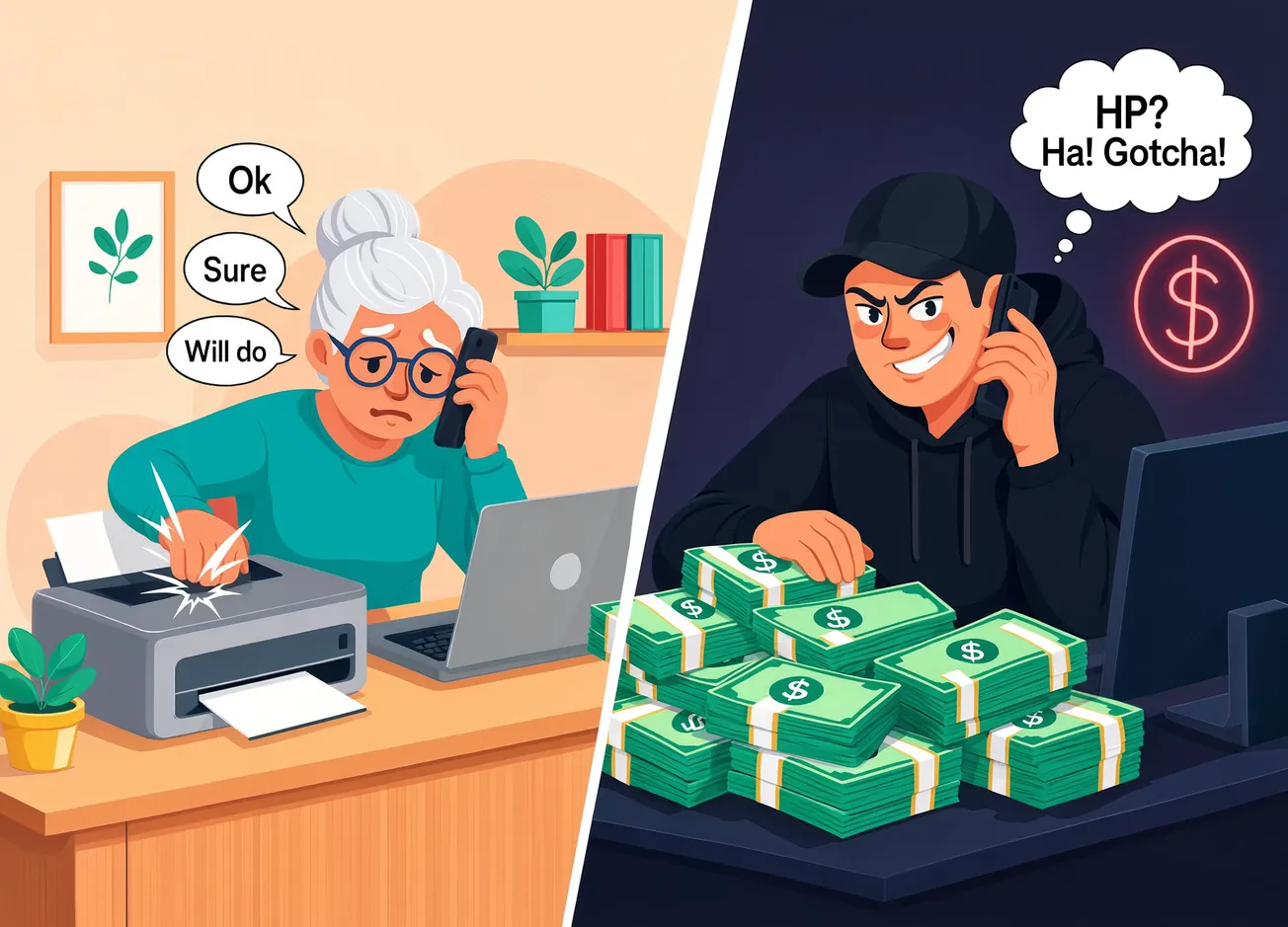
A story that needed to be told. One reader's honesty could be invaluable...
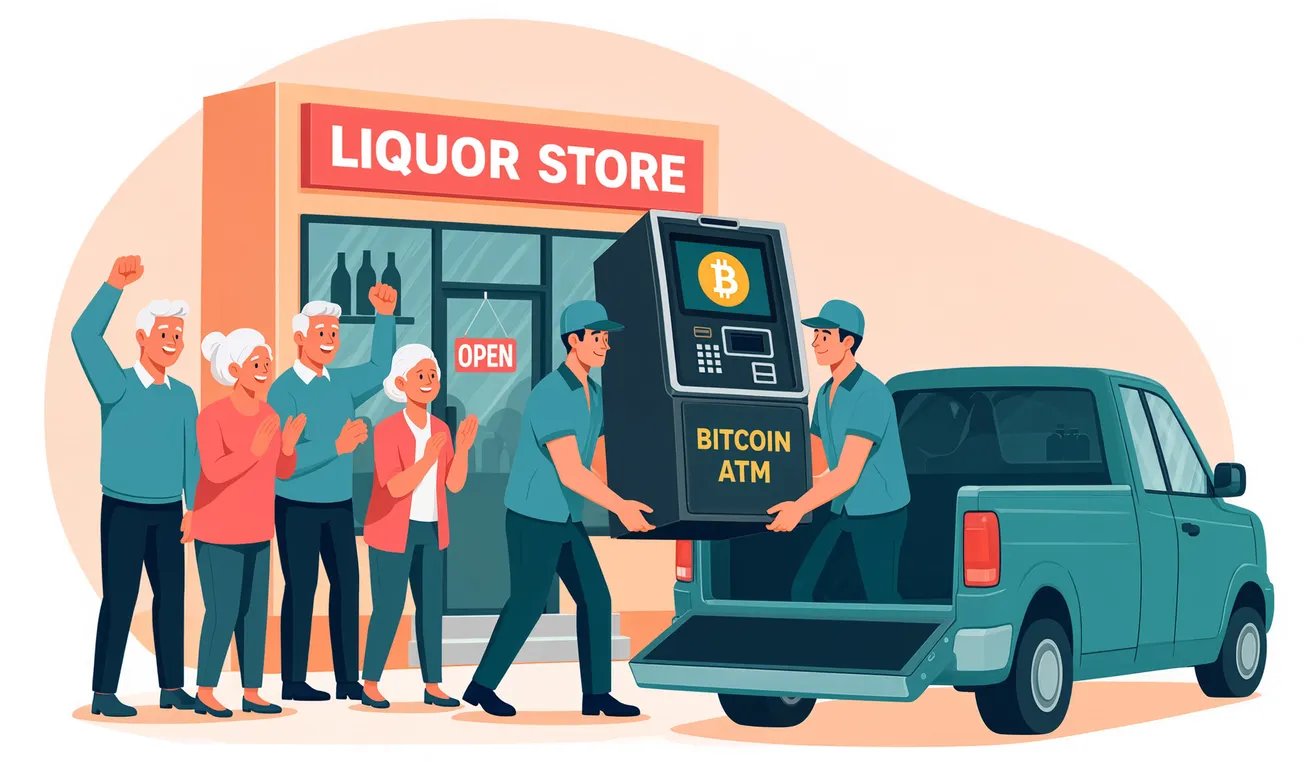
We share the one rule that stops this scam cold.
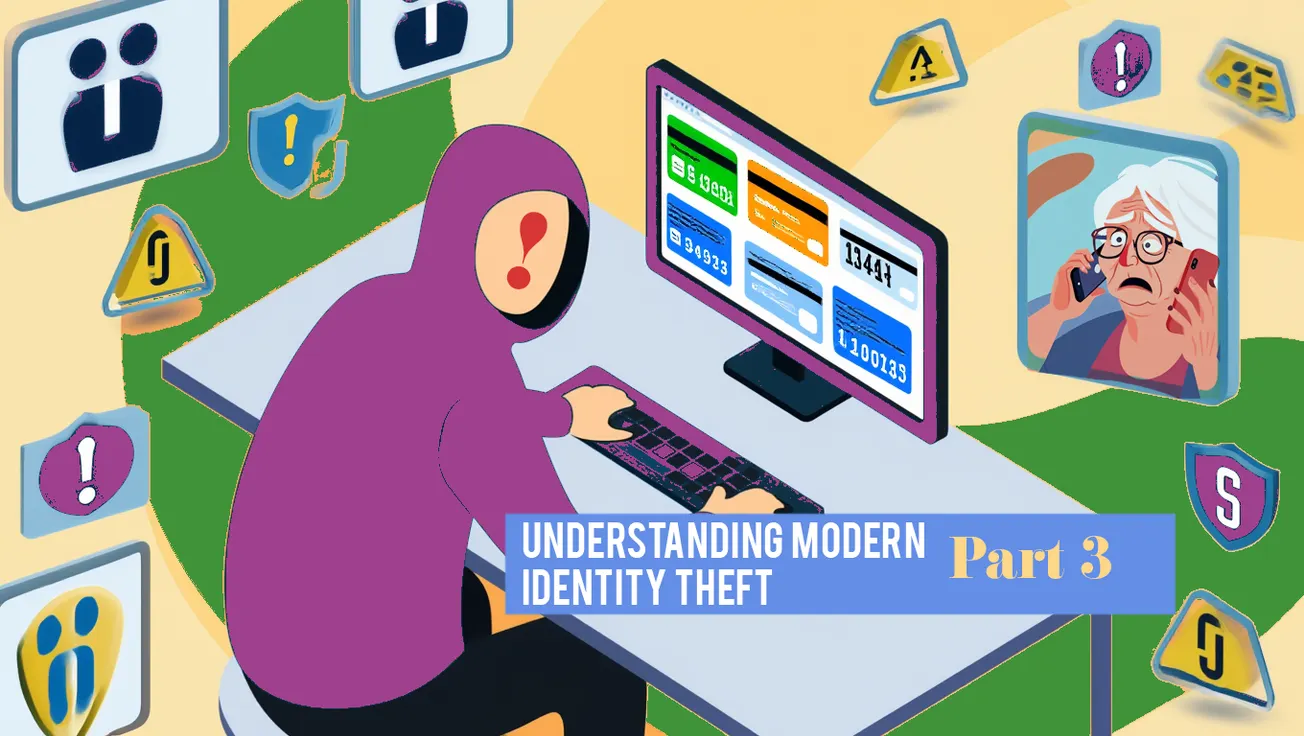
Do you know what to do when a family member insists on having password access?

Bonus: The one thing we didn't know we should never do to try and stop getting more of these emails.
An SSD reader helps us crack open a sophisticated AI-generated campaign preying on seniors with Alzheimer's family histories

AI voice cloning has supercharged the grandparent scam. We've got samples to prove how good it is.

Two recent cases show how celebrity impersonation scams are destroying lives — and getting harder to spot
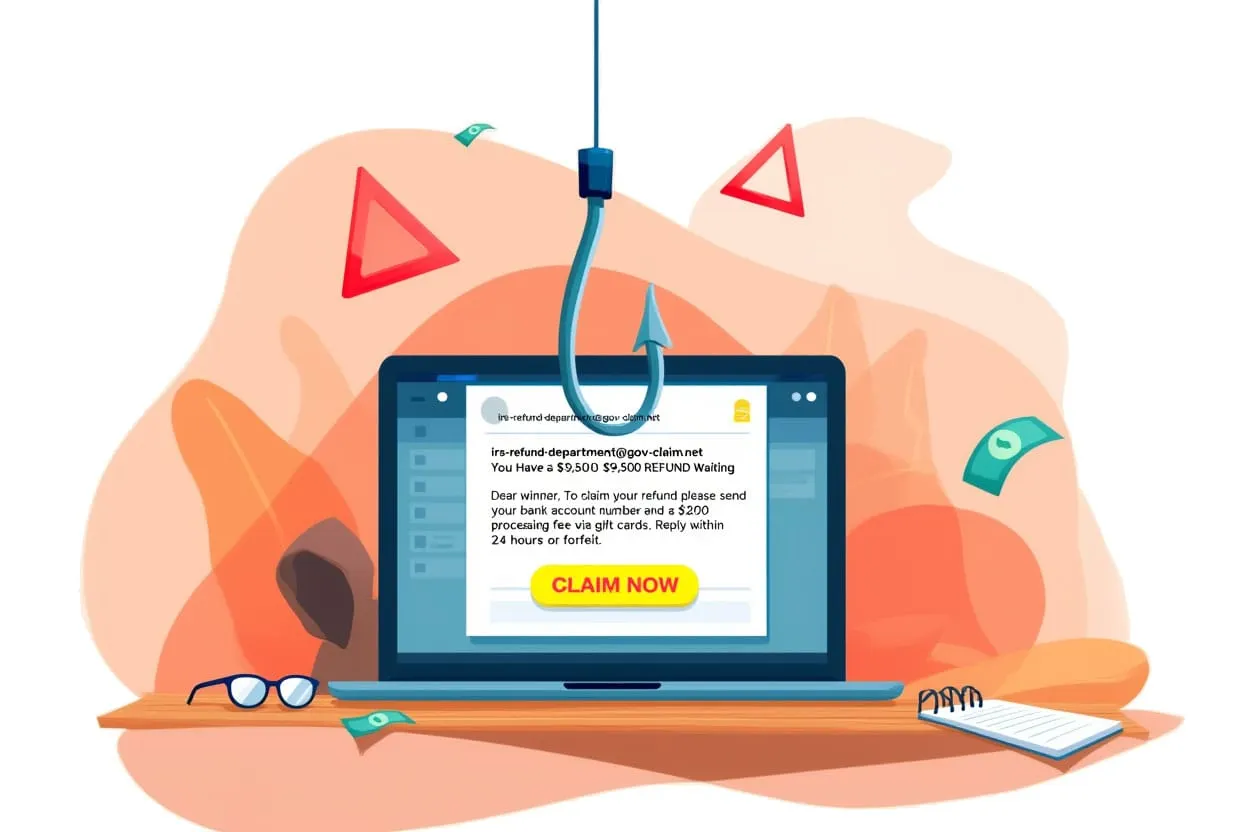
Included: the 30-second, 2-step method that can save you from being fleeced
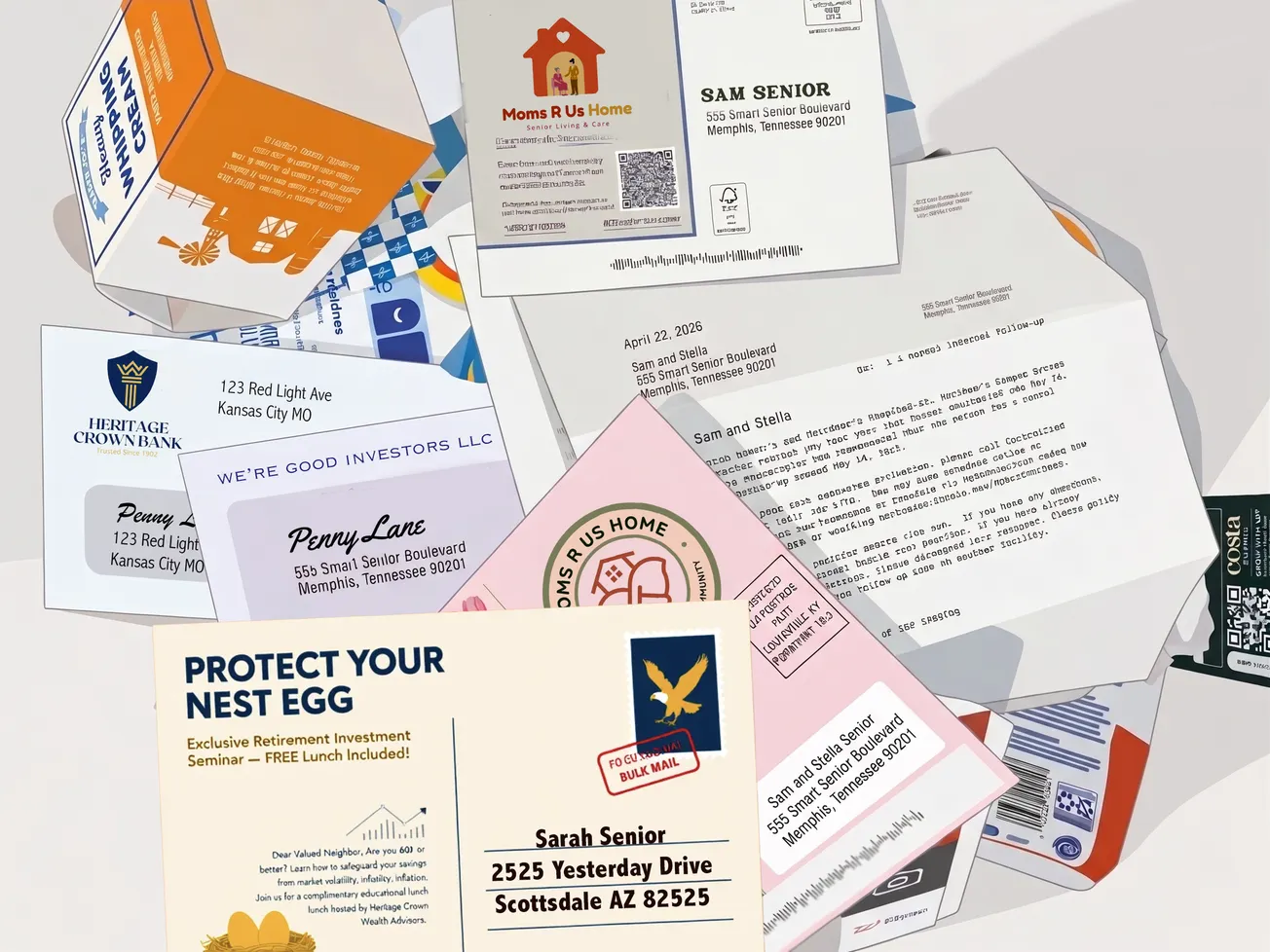
Before you pitch that stack of mail into the recycling bin, take 30 seconds to sort it. Your identity may be buried in there.
One critical rule bears repeating: Never carry your Social Security card in your wallet.
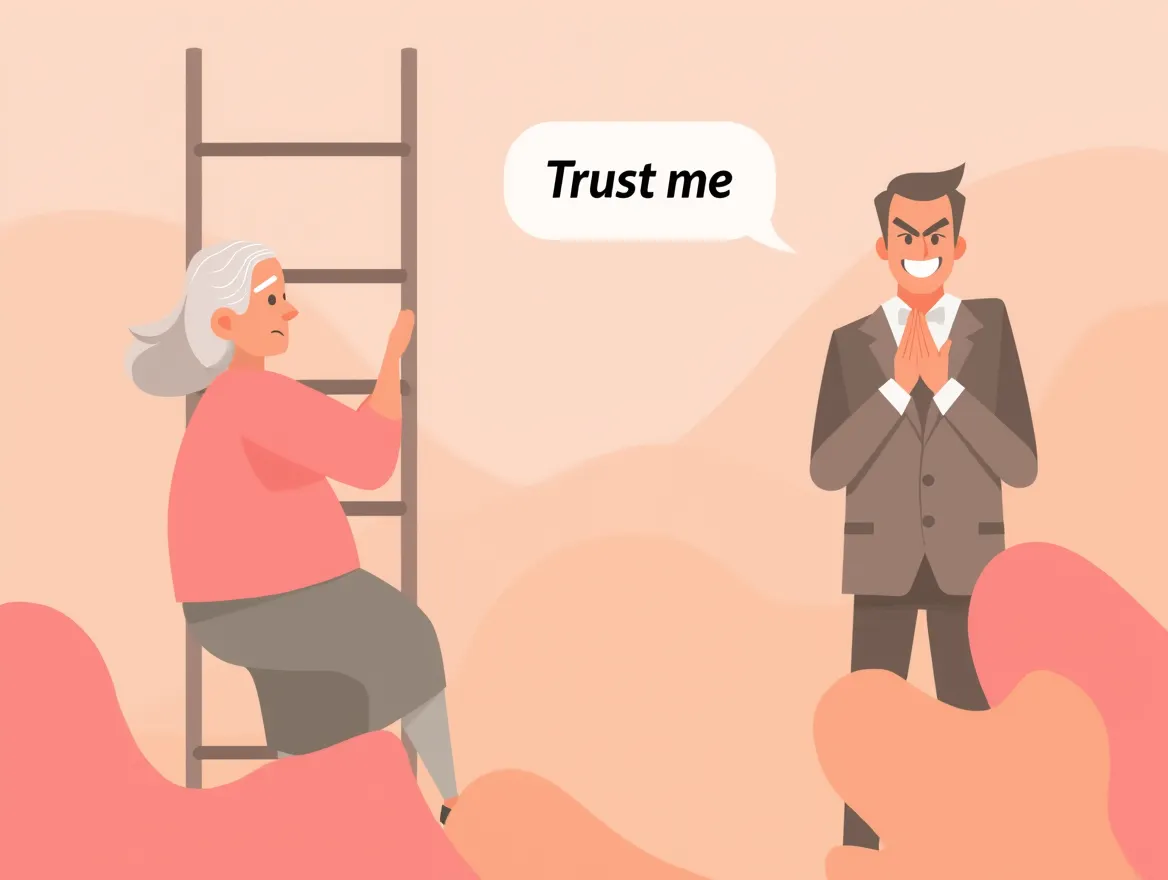
Personal stories, advice, interacting with you on subjects of mutual interest -- all warning signs.
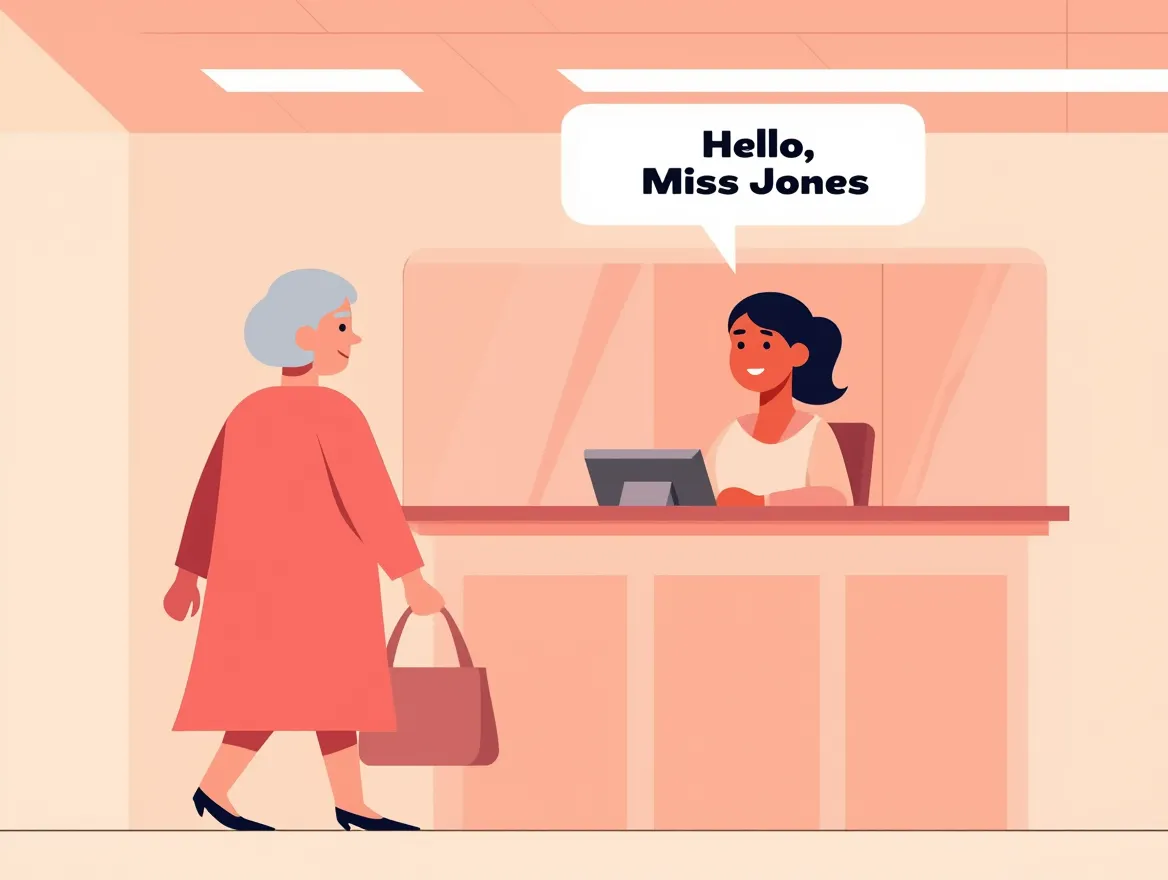
Is it time to buy your favorite teller candy or flowers? Might not hurt...

Giving scams take advantage of seniors’ generous nature - here’s how to fight back
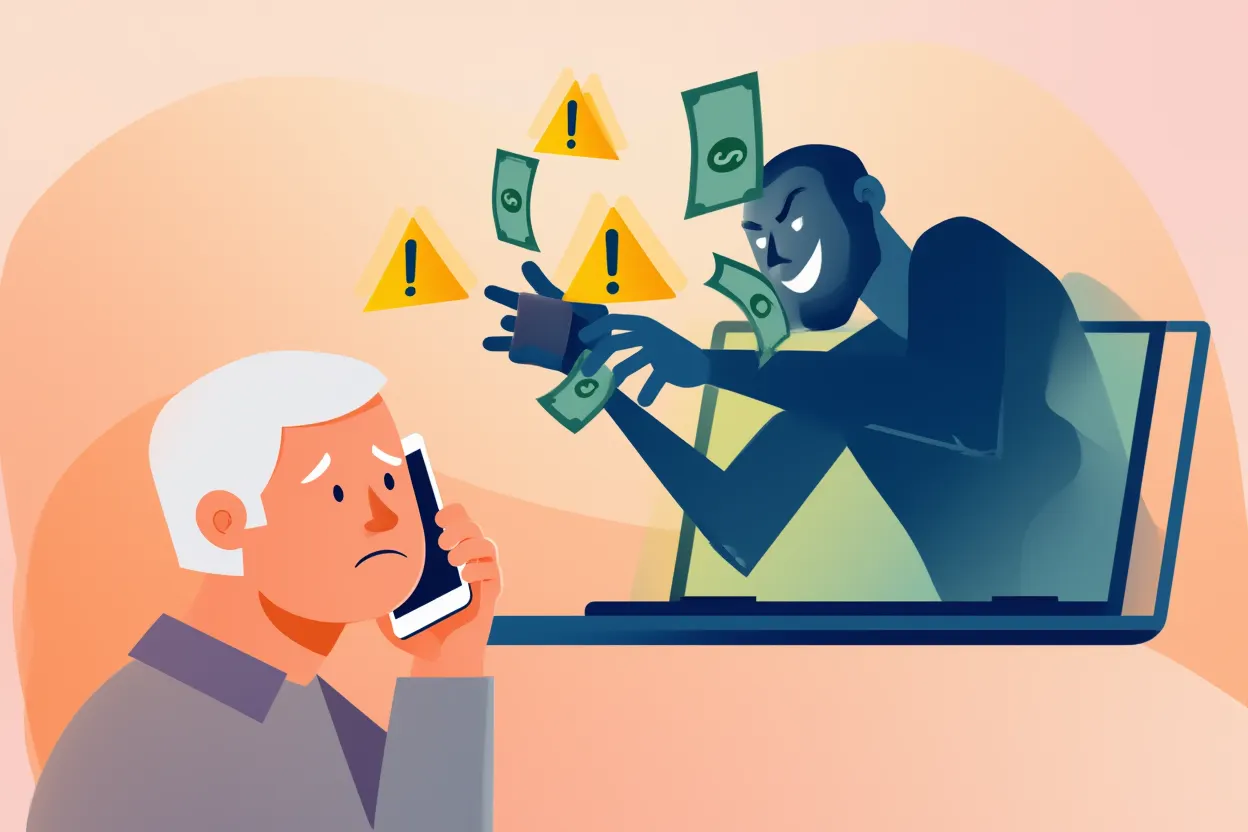
Do you know what steps to take if you fall for a scam? Here's those FAQs...

New FBI data shows where seniors face rising scam risk
The purpose of senior scam prevention programs exists to protect seniors from financial scams and phishing attacks and other fraudulent schemes. Scammers exploit the natural trustfulness of seniors to commit seniors fraud because they need to steal their money and personal information.
Common frauds include phone scams and lottery scams and tech support fraud and phishing emails. The senior scam prevention process needs to establish threat understanding and develop fraud prevention strategies to protect seniors from scams.
Some effective scam prevention tips include never sharing personal information, verifying unknown callers, avoiding suspicious links, and consulting family members before making financial decisions. The following tips serve as effective methods to prevent scams because they require people to keep their private information secret and they need to check the identity of unknown callers and they must stay away from dangerous links and they should ask their family members for approval before spending any money.
Seniors should protect themselves against scams by shopping only on trusted websites and creating strong passwords and activating two-factor authentication. The following fraud protection advice helps users reduce their chances of becoming victims of online scams.
The family members of seniors need to stay alert for suspicious financial transactions while they educate seniors about typical scams and they foster open dialogue with the seniors. The procedure enables organizations to enhance their capabilities which help them prevent scams that target seniors.
The following apps together with the fraud prevention tips for seniors which they contain, provide several services that include identity theft protection tools and call blocking systems and AI-based monitoring systems which help to protect seniors from scams.