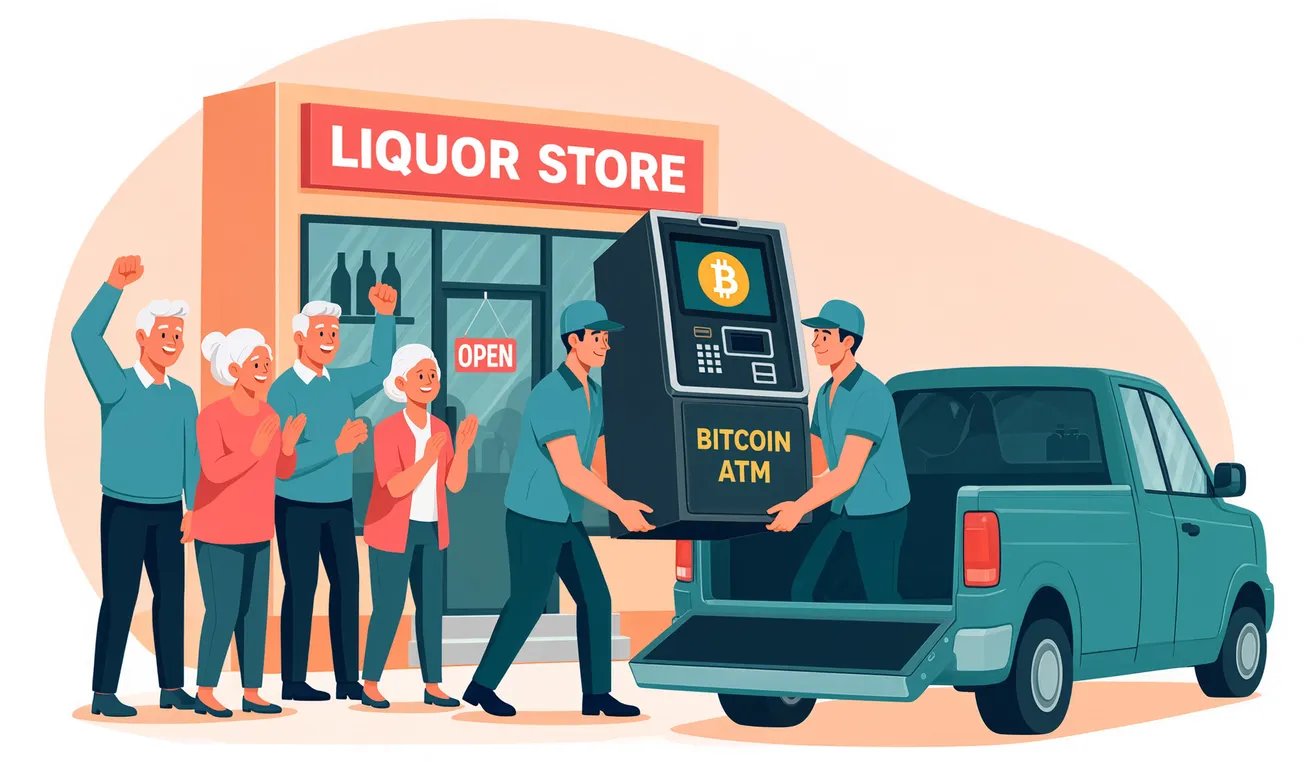
About a month ago, Smart Senior Daily heard from someone who works at a liquor store who said they saw an older woman come in, head straight to the cryptocurrency ATM, with a phone glued to her ear and a purse full of bank envelopes full of cash.
You know where this is going.
The store employees couldn't do anything short of feeling terrible for the woman who they knew was getting scammed by someone on the other end of that phone line. The scammers were instructing the lady to hurry up and feed the machine every dollar she had. The store employees had been instructed to just sit there on their hands and not say a word, not lift a finger.
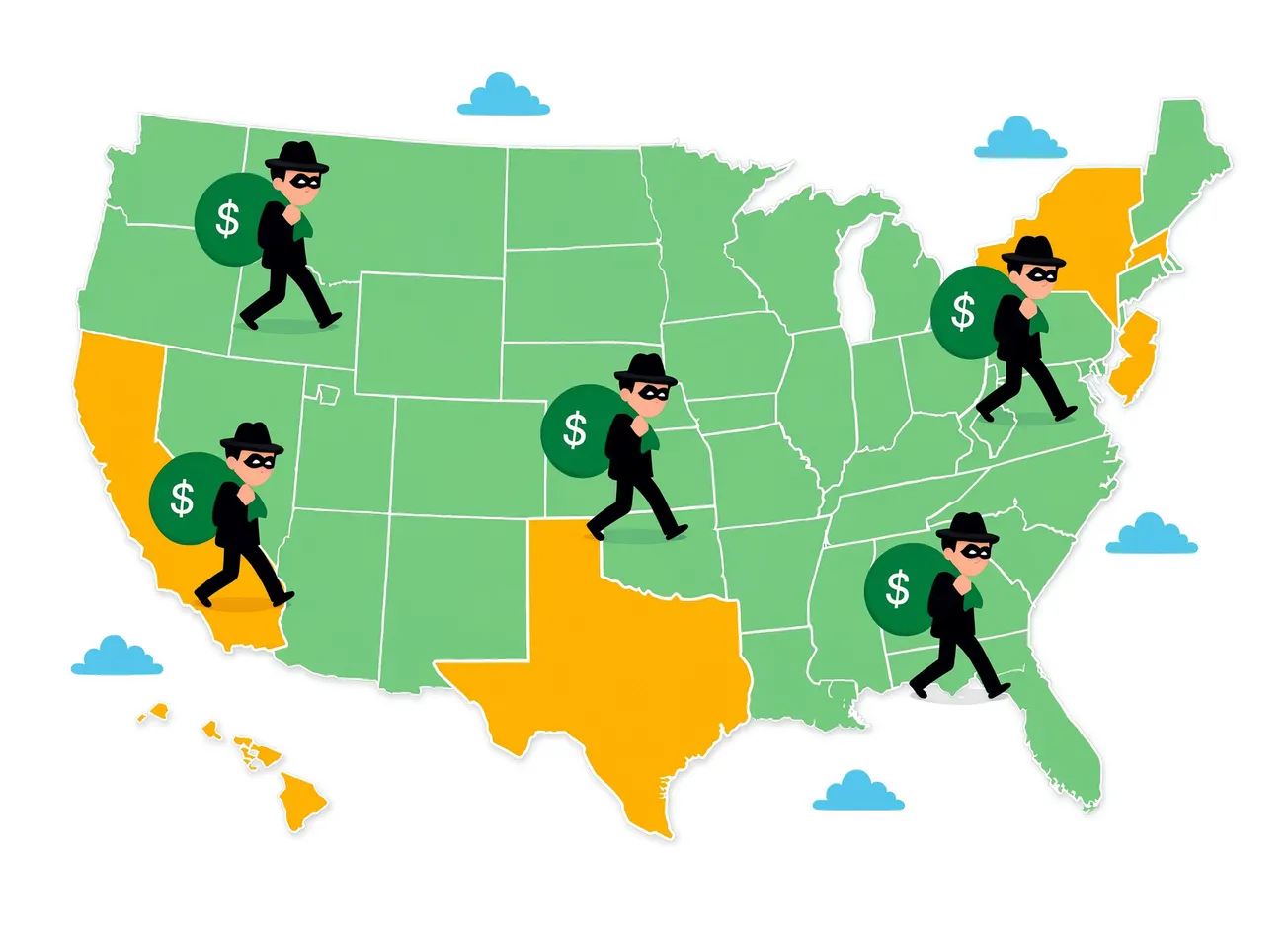
As of August 1, Minnesota is the third state in the country to ban cryptocurrency ATMs outright. Not regulate them. Not slap a warning sticker on them. Ban them.
If you're picturing some obscure corner of the financial world that has nothing to do with you, stick with me. This is about a scam that specifically hunts people over 60, and there's a good chance one of these machines is sitting in a gas station or strip mall near you right now.
What Happened in Minnesota
Governor Tim Walz signed Senate File 3868 on May 5, and it took effect August 1. Under the new law, nobody in Minnesota can install, operate, or maintain a crypto ATM, sometimes called a virtual currency kiosk. Existing machines had to be switched off immediately, and operators have until December 31 to physically haul them out of stores and gas stations.
Minnesota had actually tried the lighter-touch approach first, back in 2024, requiring warning signs, daily transaction limits, and refunds for new customers. Scammers found ways around it, and 134 people lost nearly $1 million, so lawmakers went with a full shutdown instead.
 Gary P Guthrie
How the Scam Actually Works
This is the most important part of this article: how this scam plays out.
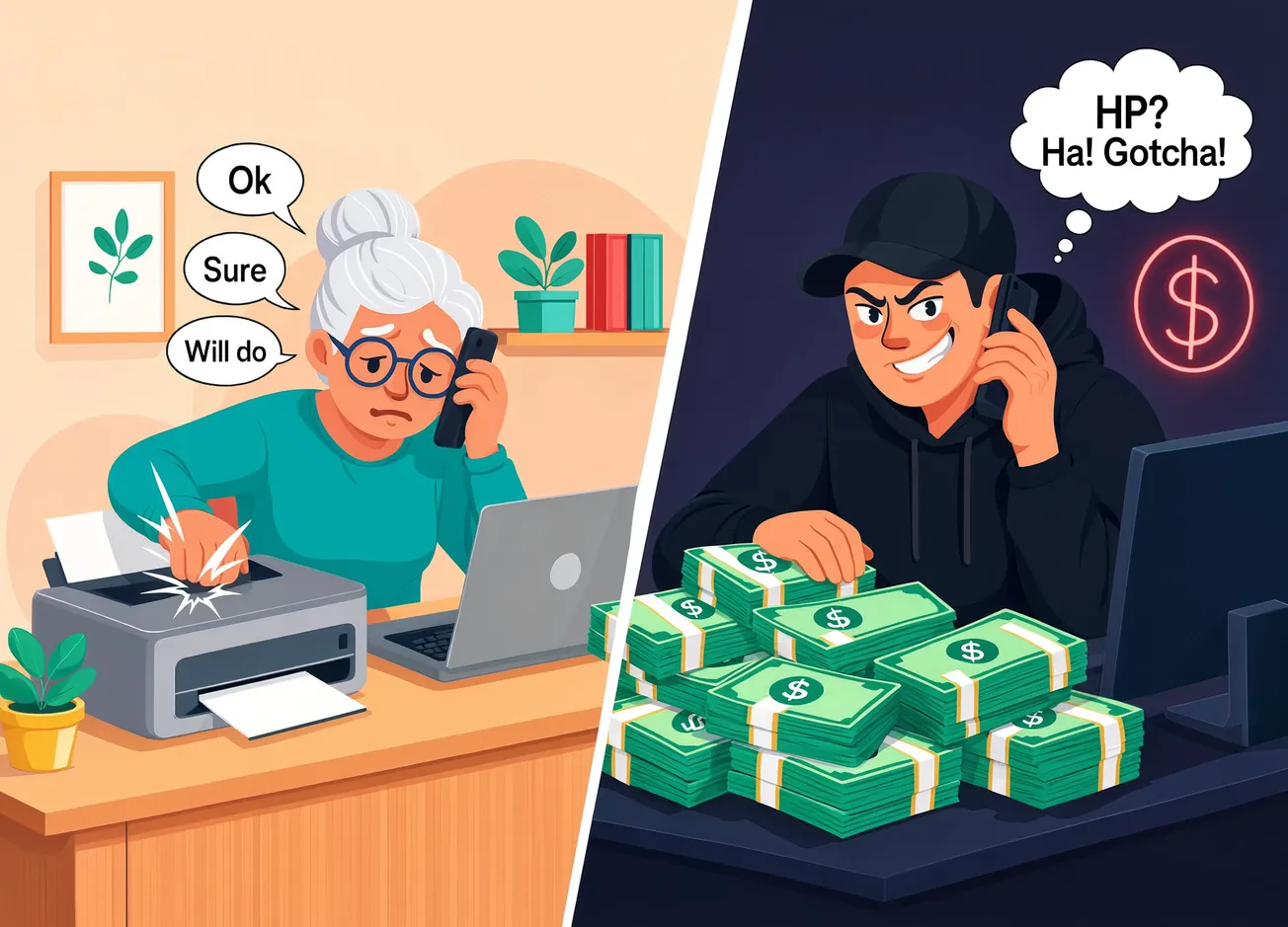
You get a call, and the person on the line claims to be a police officer, a judge's office, a Social Security representative, or sometimes tech support. They tell you there's a warrant out for your arrest, a family member is in jail and needs bail money, or your Social Security number has been linked to a crime. They sound official. They may even know some real detail about you to seem credible.
Then comes the pressure. You're told the only way to resolve this immediately, before you get arrested or before your accounts get frozen, is to withdraw cash and feed it into a nearby crypto ATM using a QR code they text or read to you over the phone. The money looks like it's going into a secure government account.
In reality, it's going straight into the scammer's crypto wallet, and once it's there, it's essentially unrecoverable. Crypto transactions don't get reversed the way a credit card charge can be disputed.
The One Rule That Stops This Scam Cold
No legitimate law enforcement agency, court, government office, or business will ever ask you to withdraw cash, deposit it into a cryptocurrency ATM, and send it anywhere using a QR code. Ever. Not to pay a fine, not to post bail for a relative, not to "protect" your funds from fraud. That instruction is the scam.
If you get one of these calls, hang up. Then call the agency directly using a number you look up yourself, not one the caller gives you, and ask if there's really an issue. In almost every case, there won't be.
And if a parent, spouse, or older friend mentions a call like this, even one they already brushed off, take it seriously enough to talk it through with them. Embarrassment keeps a lot of these cases from ever getting reported, and that silence is exactly what lets the scam keep working on the next person.

Is There a Crypto ATM Near You?
Probably, yes. There are tens of thousands of these machines across the country, usually tucked inside convenience stores, gas stations, smoke shops, and laundromats. Most people walk past them without a second thought.
In addition to Minnesota, a few states have already acted or are moving to:
- Indiana and Tennessee have full bans in place.
- Georgia has imposed transaction limits, mandatory disclosures, and refund requirements rather than a ban.
- Delaware and New Jersey have bills advancing that would restrict or ban the machines.
If your state isn't on that list, the machines are almost certainly still legal and unregulated where you live, which means the responsibility for spotting the scam falls on you and the people who care about you.