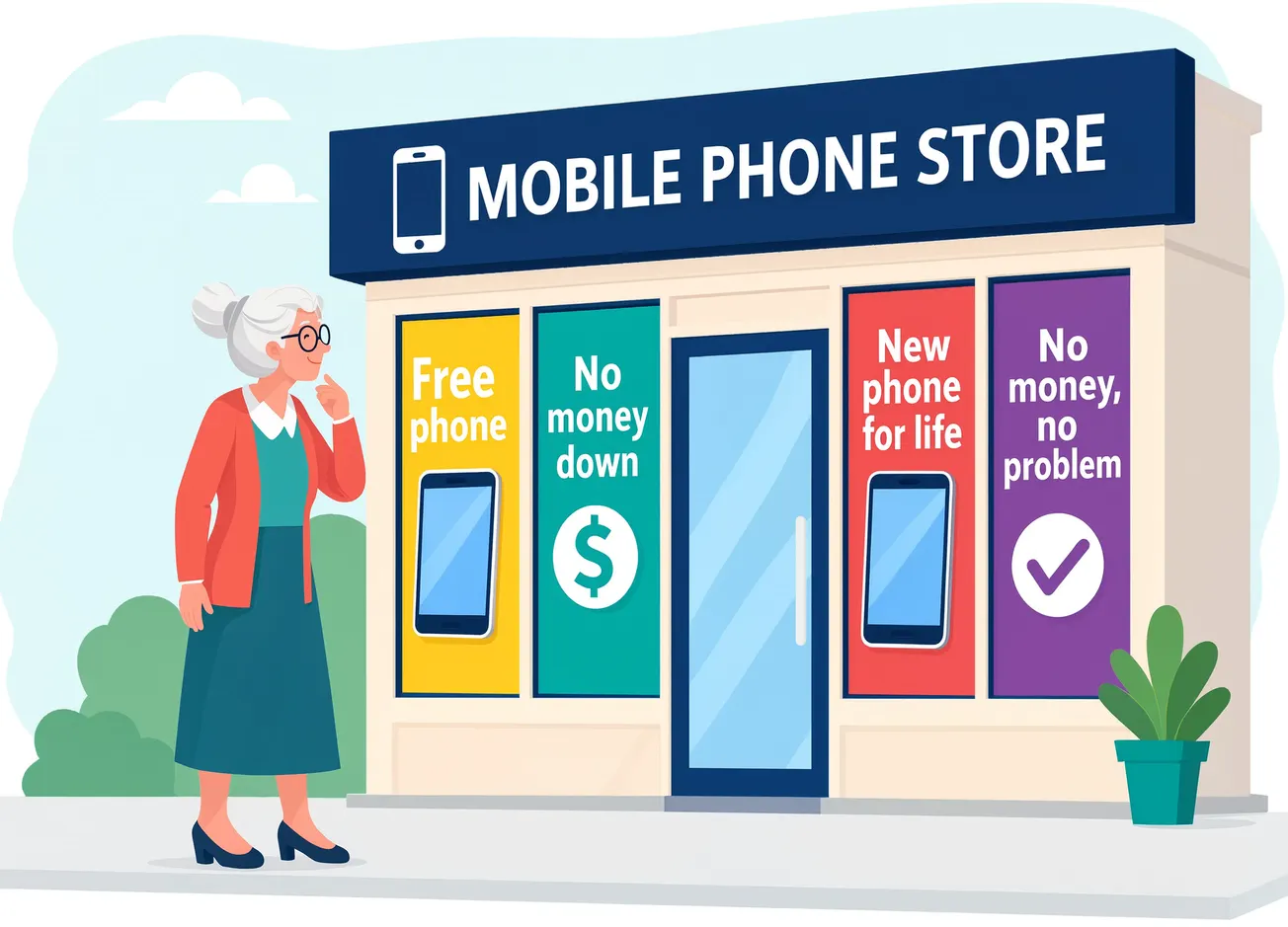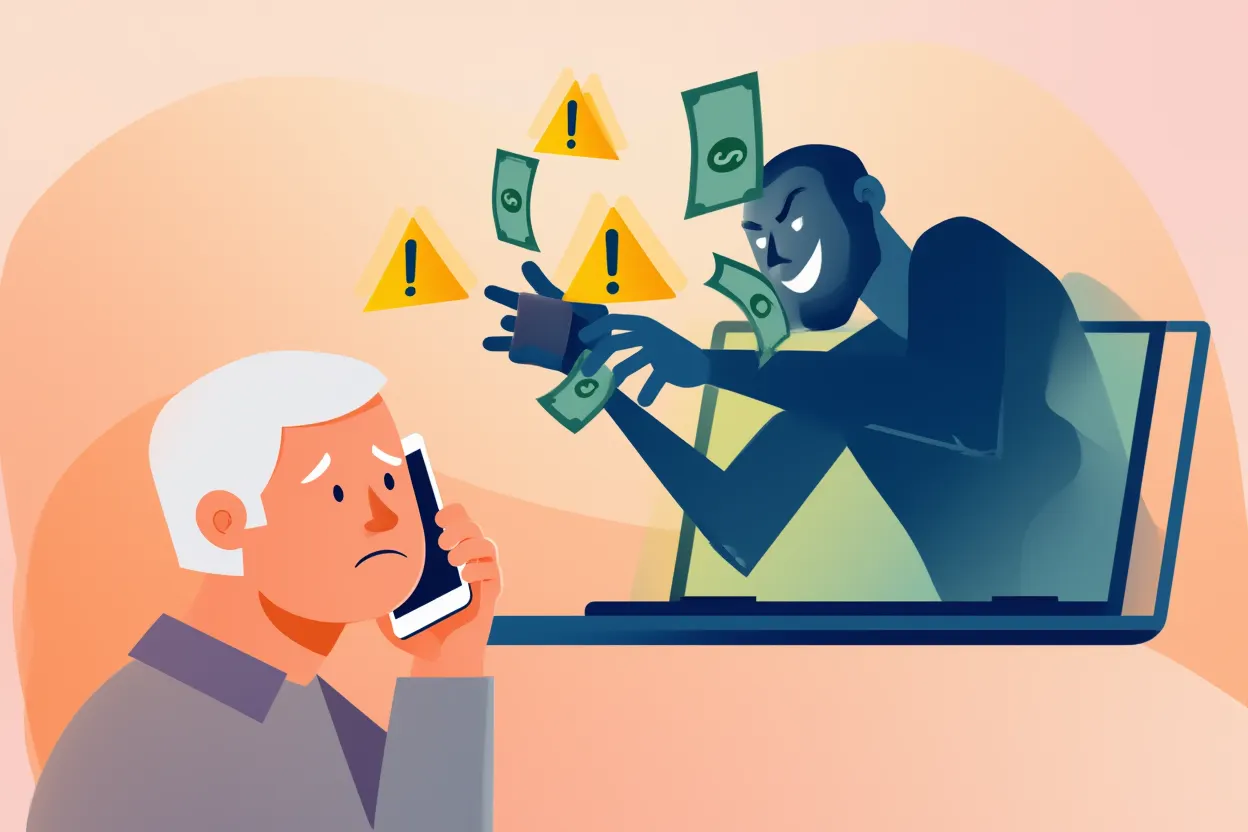
- Elder scam prevention starts with understanding why familiar voices feel trustworthy
- Imposter scams rely on emotional triggers, not a lack of intelligence
- Scammers often imitate people or roles we already trust
- Simple verification habits can stop scams before damage is done
- Awareness helps protect the dignity of both seniors and caregivers
Many scams succeed because they sound familiar. A voice that seems trustworthy can quickly lower our guard, even when something feels slightly off. Effective elderly scam prevention starts with understanding why this happens and how to slow down before responding.
This article is written for seniors and caregivers and focuses on awareness, not fear. Scams work by using psychology, not by targeting people who are careless or uninformed.
What Are Imposter Scams?
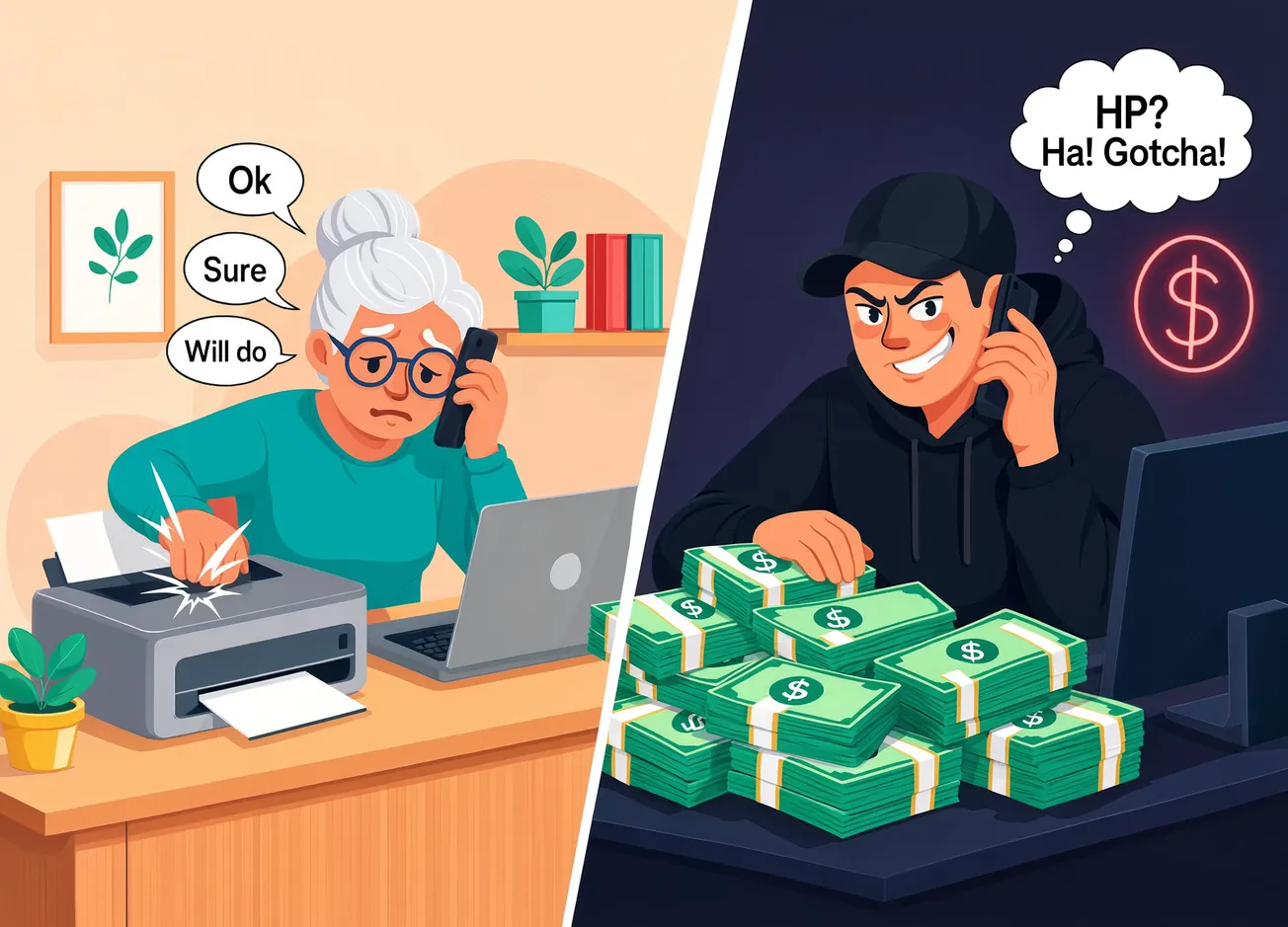
Imposter scams happen when someone pretends to be a person or organization we recognize (government, banking for example). The goal is to gain trust quickly and create a sense of urgency.
Common imposter roles include:
- A family member needing immediate help (like the "grandparent scam")
- A bank or financial representative (banking scams are some of the biggest ones out there right now)
- A government or service official (even utility workers)
- A delivery or account support worker
And, believe it or not, a country music singer!
These situations feel believable because they match everyday experiences.
Why Familiar Voices Are So Effective
Our brains are wired to trust familiar patterns. When something sounds known, we tend to respond automatically rather than carefully.
If you've taken SSD's "scam detection test," you know that scammers take advantage of this by:
- Using calm, confident tones
- Referencing personal details that seem convincing
- Creating situations that feel routine
- Speaking as if they expect cooperation
Elderly scam prevention improves when seniors understand that familiarity can be misleading.
If you don't pay attention, though, you might pay the price. As senior scam expert Dave Parkinson told Smart Senior Daily...
"Once the scammer feels they've established your trust, they introduce the proposal they'll use to exploit your goodwill. A problem appears, or an opportunity is introduced — an emergency, an investment opportunity, or a situation where help is needed and they claim they have nowhere else to turn."
 Gary P Guthrie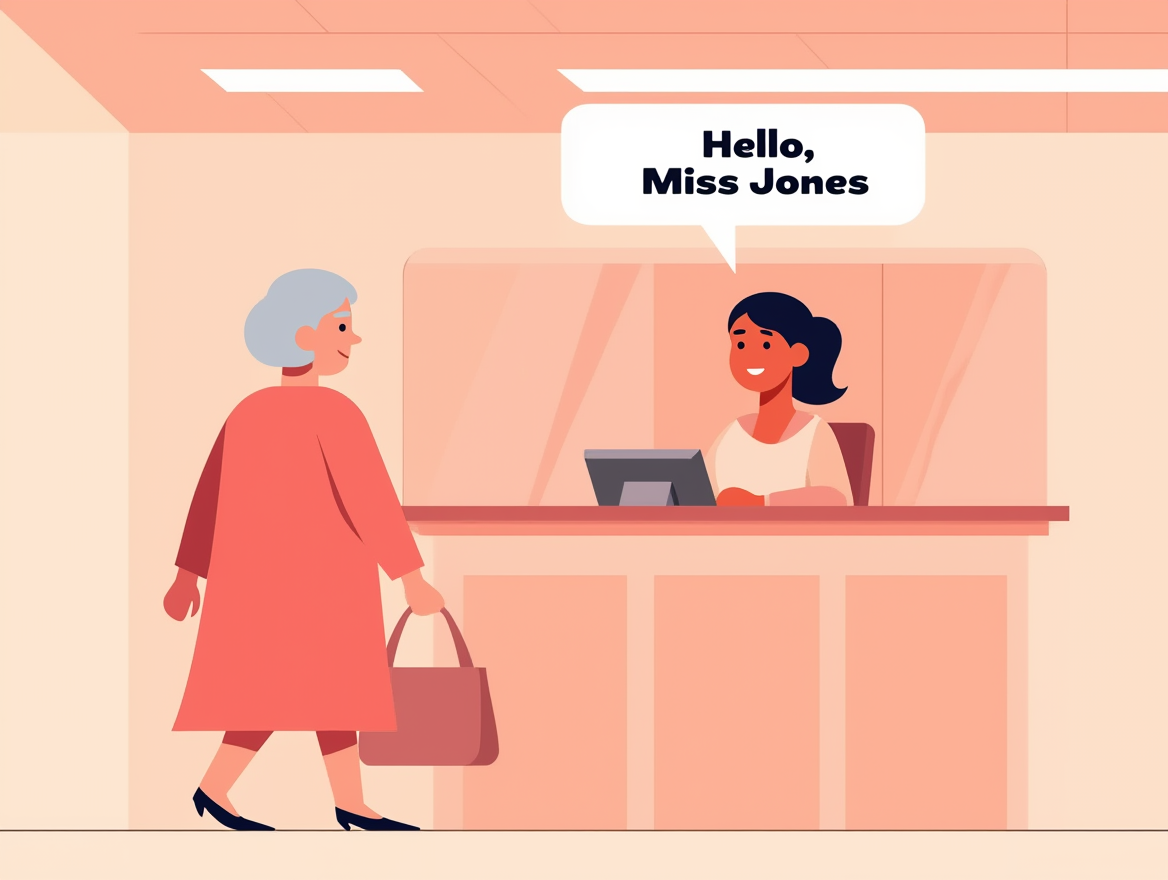
Emotional Triggers That Lower Caution
Imposter scams often rely on strong emotions to speed up decisions.
Common emotional triggers include:
- Fear of losing money or access
- Concern for a loved one’s safety (AI is making these more convincing)
- Urgency to fix a problem quickly (like "your cloud storage is full")
- Desire to be helpful or responsible
Emotions are normal. Scammers exploit them to prevent careful thinking.
Verification Habits That Interrupt Scams
The most effective elderly scam prevention tools are simple habits that create a pause.
Helpful verification habits include:
- Taking time before responding or acting
- Ending the conversation and checking independently
- Contacting a trusted person for a second opinion
- Using known phone numbers or contacts to verify requests
- Treating urgency as a signal to slow down
These habits protect independence without adding fear.
How Caregivers Can Support Scam Awareness
Caregivers play an important role in elderly scam prevention by encouraging open communication.
Supportive steps include:
- Creating an agreement to double-check unusual requests
- Talking regularly about common scam patterns
- Responding calmly to questions or concerns
- Avoiding blame or embarrassment
When seniors feel safe asking questions, scams are easier to stop early.
Final Thoughts
Elderly scam prevention is about understanding how trust and familiarity can be used against us. Scammers succeed by sounding convincing, not because seniors are careless or unaware.
By recognizing imposter tactics, emotional triggers, and the importance of verification habits, seniors and caregivers can reduce risk while maintaining confidence, dignity, and peace of mind.
🔽 If you've been scammed FAQs
What should I do immediately if I've been scammed? Move fast. Contact your bank or credit card company right away to freeze accounts and dispute charges. Change your passwords. Document everything — screenshots, phone numbers, names used. Then report it. Most financial institutions will require a police report to document the theft before they will restore any money that was taken. Blhc
Should I be embarrassed if I fell for a scam? Absolutely not. Scammers are savvy and convincing, and their scams are designed to catch people off guard. Don't be ashamed if you think you or someone you know has been a victim of a scam — it can happen to anyone. National Institute on Aging Shame is one reason so many scams go unreported — and that only helps the criminals.
Who do I call if I think I've been the victim of fraud? Start with local police, then your state attorney general's office. You can also call the National Elder Fraud Hotline at 1-833-FRAUD-11 (1-833-372-8311). A case manager will assist you with reporting the crime and connect you with other resources as needed. The hotline is staffed Monday–Friday, 10 a.m.–6 p.m. Eastern, and is available in English, Spanish, and other languages. Office for Victims of Crime
How do I report a scam to the FTC? Go to ReportFraud.ftc.gov. It takes about five minutes and helps the government track patterns and pursue bad actors. You won't necessarily get your money back, but your report could protect someone else.
What is the National Elder Fraud Hotline? It's a free resource created by the U.S. Department of Justice for people to report fraud against anyone age 60 or older. Reporting can help authorities try to stop those who commit fraud and prevent others from becoming victims. Office for Victims of Crime The number is 1-833-FRAUD-11.
Can I get my money back after being scammed? Sometimes, but don't count on it. Credit card transactions have the best shot at reversal. Wire transfers and gift cards are nearly always gone for good. Losing money to scams can be especially devastating for older adults, who may not be able to earn back what they've lost. Consumer Financial Protection Bureau Speed matters — the sooner you report it, the better your chances.
Should I file a police report if I was scammed? Yes, even if you think nothing will come of it. There may not be much that the police can do, but most financial institutions will require that you have a police report before they will restore any money that was taken. And filing a report may prevent someone else from becoming a victim. Blhc