Maybe you know someone who died from colorectal cancer. You'll probably never forget how sad that was, too.
Even though cancer survivability overall continues to improve, colorectal cancer continues to kill roughly as many Americans each year as car accidents and gun deaths combined — and it's largely preventable through screening.
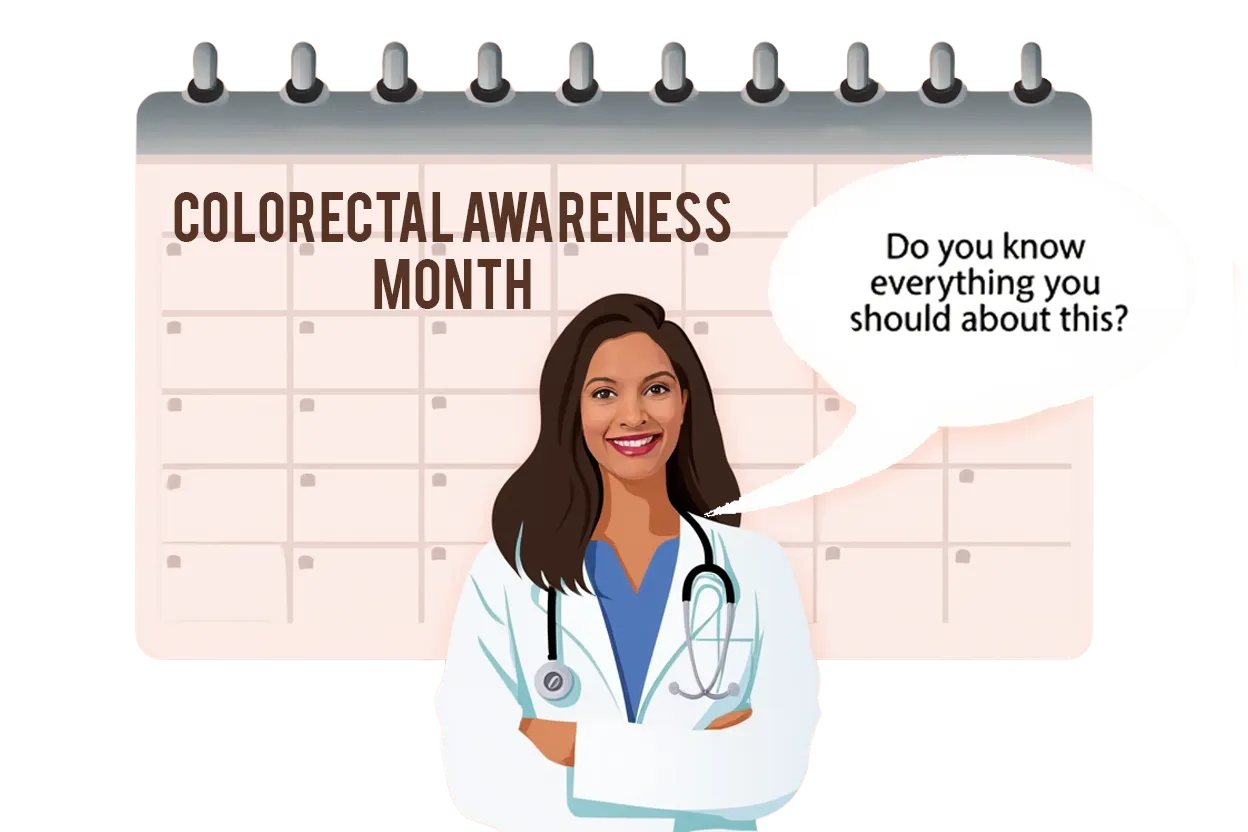
Here we are at the end of National Colorectal Cancer Awareness Month and before March saw all it planned, Smart Senior Daily thought it would be valuable to our readers to hear what the latest FAQs (frequently asked questions) about colorectal cancer are. Enter Elizabeth John, M.D., Gastroenterologist at Hackensack Meridian Mountainside Medical Center, to answer those.
What Is Colorectal Cancer? Why Early Detection Matters
Colorectal cancer begins in the colon or rectum, often developing from polyps that may show no symptoms at all. Screening can find these growths before they become cancerous, and when cancer is found early, treatment is far more effective.
According to the CDC, colorectal cancer almost always begins as abnormal growths in the colon or rectum, and detecting them early dramatically improves outcomes.
Updated Screening Guidelines: Start at Age 45
The U.S. Preventive Services Task Force now recommends that adults at average risk begin regular screening at age 45. Screening should continue through age 75, and individuals with a family history, inflammatory bowel disease, or other risk factors may need to start even earlier.
If you are past the age of 75, it becomes a case by case basis depending on the life expectancy and overall health of the patient.
“As patients are living well into their 80s, there are patients older than 75 that would benefit from colonoscopies,” says Dr. John.
Myths vs. Facts About Colonoscopy
Many people avoid colonoscopies because of misconceptions. Here are some common myths, debunked by Dr. John.
Myth 1: “I don’t need a colonoscopy unless I have symptoms.”
Fact: Most early colorectal cancers do not cause symptoms. Waiting for symptoms often means the disease has progressed.
Myth 2: “Colonoscopies are painful.”
Fact: Patients receive sedation, and most don’t remember the procedure at all. Mild cramping afterward is temporary.
Myth 3: “The prep is unbearable.”
Fact: Prep solutions now come in better-tasting, smaller-volume options, making the process much easier than it used to be.
Recognizing Possible Symptoms
Although screening before symptoms appear is critical, you should contact a doctor if you experience:
- Rectal bleeding
- Persistent abdominal pain
- Unexplained weight loss
- Changes in bowel habits
These symptoms warrant prompt evaluation, especially for individuals with risk factors.
“Colon cancer is preventable, and early detection saves lives. If you’re 45 or older—even if you feel perfectly healthy—make screening a priority. Your future health depends on it” says Dr. John.