The Takeaway
- Assisted living in Bloomington offers seniors support with daily care in a residential setting.
- Minnesota’s average cost is slightly higher than the national median of $70,800.
- Facilities are licensed and overseen by the Minnesota Department of Health.
- Contracts, staffing, and care plans should be reviewed carefully.
- Location, atmosphere, and safety features are key factors in choosing the right facility.
Introduction
Bloomington, located just south of Minneapolis, is known for its suburban comfort, healthcare access, and senior-friendly amenities. As more older adults in the Twin Cities area consider supportive living options, assisted living offers a middle ground between independence and long-term care.
Understanding the services, costs, and oversight involved can help families make confident choices for their loved ones.
What Assisted Living Covers
Assisted living facilities provide housing and a wide range of supportive services for seniors who need help with everyday tasks. Typical offerings include:
- Private or shared apartments or suites
- Daily meals and snacks
- Help with bathing, dressing, mobility, and medications
- Housekeeping and laundry services
- Recreational activities and social events
- 24-hour staff presence and emergency response systems
These communities are designed to support independence while ensuring safety and peace of mind.
Typical Costs
According to the 2024 Genworth Cost of Care Survey, the average cost of assisted living in Minnesota is approximately $73,500 per year, which is slightly higher than the national median of $70,800.
In Bloomington, costs may vary depending on the facility's location, size, amenities, and level of care. Some offer bundled pricing, while others charge separately for services.
👉 View the full Genworth Cost of Care report
 Smart Senior Daily Staff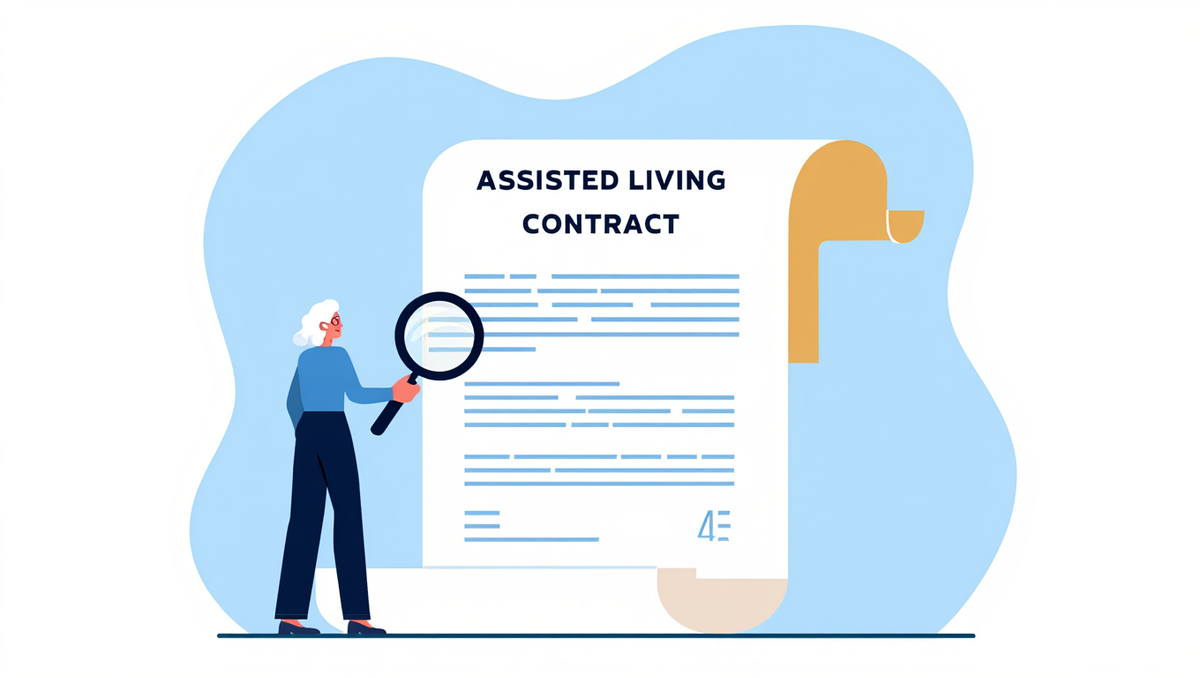
Local Oversight & Regulations
In Minnesota, assisted living facilities are licensed and monitored by the Minnesota Department of Health (MDH). The department conducts inspections, investigates complaints, and ensures facilities comply with care, safety, and staffing standards.
To check licensing status or learn more about state regulations, visit the Minnesota Department of Health.
What to Look For
- Staff availability and responsiveness: Make sure caregivers are present 24/7 and trained for emergencies.
- Clear, written contracts: Understand what's included, any extra fees, and the terms of service changes or termination.
- Safety and accessibility: Check for emergency call systems, grab bars, secure entrances, and wheelchair access.
- Personalized care plans: Ask how the facility evaluates needs and updates care plans over time.
- Clean, well-maintained space: Visit in person to assess the cleanliness of rooms and common areas.
- Engagement and atmosphere: Observe how residents interact with staff and each other.
- Convenient location: Consider proximity to family, hospitals, and familiar neighborhoods.
Qualified staff: Inquire about staff credentials, training programs, and turnover rates.
 Smart Senior Daily Staff
What Questions You Should Ask
Operational challenges affect staffing, care quality, and daily life. Ask:
- What are the biggest operational challenges you are facing right now?
- How do staffing shortages or turnover affect residents?
- What steps have you taken recently to improve staffing stability?
- How do you maintain consistent care when staff changes occur?
- How are families informed if operational issues impact care?
Every facility has strengths and gaps. Ask:
- What services or features do you offer that nearby facilities do not?
- What services do other assisted living communities offer that you don’t?
- Are there commonly requested services you currently do not provide?
- If a resident needs a service you don’t offer, what happens next?
Facilities evolve over time. Ask:
- What new services or care levels do you plan to add in the next few years?
- Are there plans to expand memory care, medical support, or therapy services?
- Will current residents have priority access to new services?
- How are residents notified when services change or are delayed?
The 80/20 rule requires that at least 80% of residents be age 55 or older, while up to 20% may be younger (such as spouses or caregivers).
- Does this community follow the 80/20 rule for 55+ housing?
- What percentage of residents here are currently under age 55?
- Under what circumstances can younger residents live here?
- How do you monitor compliance with the 80/20 rule?
Disclaimer: This checklist is provided for general informational purposes only and is not intended as legal, medical, or financial advice. Smart Senior Daily does not endorse or recommend any specific assisted living or long-term care provider.