
The Takeaway
- In Sacramento, assisted living provides personal care and community in a safe, home-like environment.
- California’s 2024 annual median cost for assisted living is around $88,200, versus the U.S. national median of $70,800—making the state significantly costlier (Genworth Financial, Inc.CareScout).
- State oversight is led by the California Department of Social Services (CDSS) under the Adult and Senior Care Program (ASCP) and the Continuing Care Contracts Section (CCCS)
- Key priorities when evaluating facilities include staffing and training, clear contracts, safety features, licensing history, location, atmosphere, and personalized care planning.
Introduction
If you're exploring assisted living in Sacramento, you’re doing something smart—and caring. Whether it's for yourself or someone close, you want a place that feels comfortable, dignified, and secure. This guide walks you through what assisted living commonly offers, how much it costs here, who enforces the standards in California, and what to watch for when you’re comparing facilities.
What Assisted Living Covers
Assisted living is designed to help people stay independent while offering daily support. In Sacramento, typical services include private or shared apartments; three meals a day; help with dressing, bathing, mobility, or medication reminders; light housekeeping; social and recreational programs; and sometimes transportation. The goal is to maintain independence—not eliminate it—and add just the right support.
Typical Costs
Let’s talk numbers. The 2024 Genworth Cost of Care Survey puts the annual median cost for assisted living in California at roughly $88,200, significantly higher than the U.S. national median of about $70,800. That’s a difference of over $17,000 per year (Genworth Financial, Inc.CareScout). This cost gap reflects regional realities: Sacramento tends to be less expensive than coastal hubs, but the state average still sets a high bar for affordability planning.
 Smart Senior Daily Staff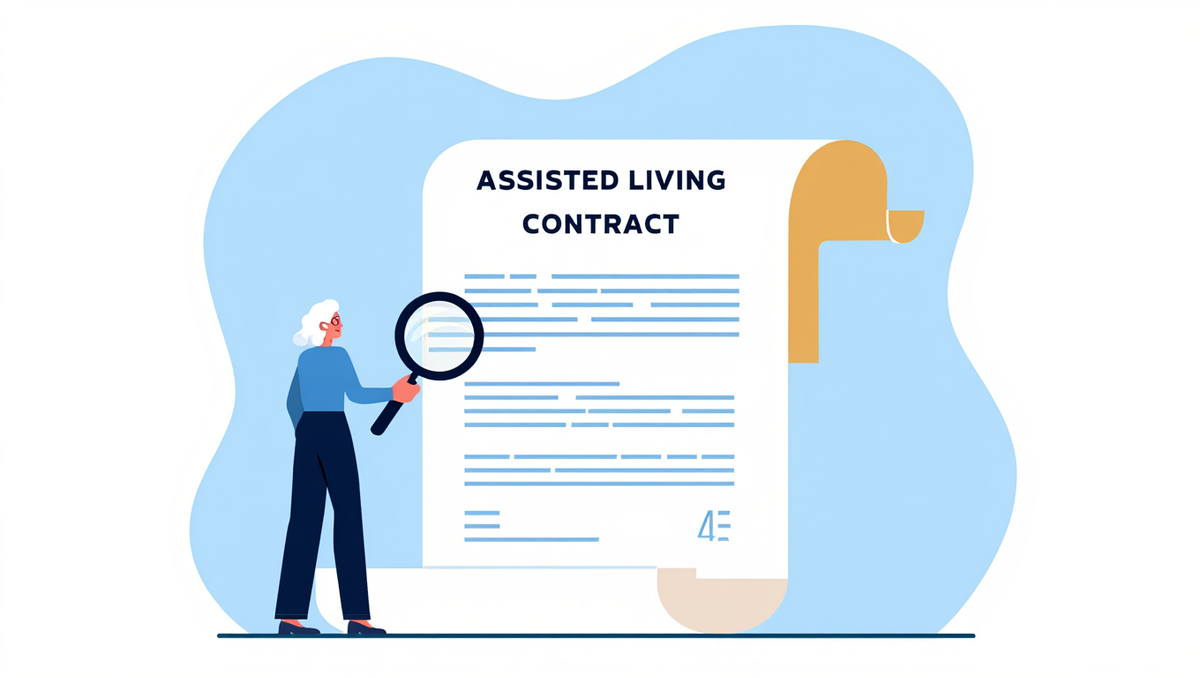
Local Oversight & Regulations
In California, assisted living communities—usually licensed as Residential Care Facilities for the Elderly (RCFEs)—are regulated by the Adult and Senior Care Program (ASCP), part of the Community Care Licensing Division of the CDSS. They monitor compliance with Title 22 regulations, inspect facilities, and handle complaints. Meanwhile, the Continuing Care Contracts Section (CCCS) oversees Continuing Care Retirement Communities, focusing on contract standards and financial protections under Health & Safety Code § 1770 et seq (California Dept. of Social Services).
What to Look For
Here’s a clear, bulleted checklist to help when visiting assisted living communities in Sacramento:
- Staffing & Training: Look for a licensed administrator, caregivers trained in elder support (including dementia care if needed), and staff on duty around the clock. Ask if nurses or care managers check in regularly.
- Clear Contracts: The residency or continuing care agreement should detail all services, fees (regular and extra), refund policies, and how changes or rate increases are handled. For CCRCs, also check for financial safeguards reviewed by CCCS (California Dept. of Social Services).
- Licensing & Inspection History: Confirm the facility is licensed as a RCFE. Don’t hesitate to request past inspection reports or see if any citations were issued.
- Safety Features: Check for emergency call systems, sprinkler systems, accessible hallways and doorways, secure entries, and well-lit common areas.
- Location & Access: Look for nearby hospitals, clinics, shops, parks, and ease of getting to the facility—for both residents and visitors.
- Community Atmosphere: Visit during meal or activity times. A warm, inclusive, respectful environment where residents and staff interact positively is a strong sign.
- Personalized Care Plans: Ask how staff evaluate individual needs, customize care plans, and update them over time or in response to changes in health.
- Financial Security for CCRCs: If the facility offers a lifelong contract (CCRC), ask how they maintain financial stability to honor long-term care promises. This is where CCCS oversight matters (California Dept. of Social Services).
Sacramento is a great place to look for assisted living—but high costs and varied regulations mean it pays to be thorough and thoughtful. With this guide in hand, you’re better equipped to ask the right questions, compare options, and find a place that truly feels like home.
 Smart Senior Daily Staff
What Questions You Should Ask
Operational challenges affect staffing, care quality, and daily life. Ask:
- What are the biggest operational challenges you are facing right now?
- How do staffing shortages or turnover affect residents?
- What steps have you taken recently to improve staffing stability?
- How do you maintain consistent care when staff changes occur?
- How are families informed if operational issues impact care?
Every facility has strengths and gaps. Ask:
- What services or features do you offer that nearby facilities do not?
- What services do other assisted living communities offer that you don’t?
- Are there commonly requested services you currently do not provide?
- If a resident needs a service you don’t offer, what happens next?
Facilities evolve over time. Ask:
- What new services or care levels do you plan to add in the next few years?
- Are there plans to expand memory care, medical support, or therapy services?
- Will current residents have priority access to new services?
- How are residents notified when services change or are delayed?
The 80/20 rule requires that at least 80% of residents be age 55 or older, while up to 20% may be younger (such as spouses or caregivers).
- Does this community follow the 80/20 rule for 55+ housing?
- What percentage of residents here are currently under age 55?
- Under what circumstances can younger residents live here?
- How do you monitor compliance with the 80/20 rule?
Disclaimer: This checklist is provided for general informational purposes only and is not intended as legal, medical, or financial advice. Smart Senior Daily does not endorse or recommend any specific assisted living or long-term care provider.