
The Takeaway
- Assisted living in the Sandy Springs–Roswell area offers support with daily living, safety, and social engagement while promoting independence.
- The 2024 Genworth Cost of Care Survey reports Georgia’s average annual cost for assisted living at about $56,400, below the national median of $70,800.
- Facilities are licensed and inspected by the Georgia Department of Community Health (DCH), Health Facilities Division.
- Key evaluation points include staffing, contracts, safety, location, atmosphere, and personalized care planning.
Introduction
In Sandy Springs and Roswell, assisted living communities provide older adults with a secure, supportive environment that balances independence and care. These Atlanta-area suburbs are known for strong healthcare access, active communities, and comfortable living—qualities that make them appealing for retirees and their families.
Selecting an assisted living facility requires understanding what services are offered, the local costs, and state regulations that ensure residents’ safety and well-being.
What Assisted Living Covers
Assisted living communities aim to maintain residents’ independence while offering daily support. Typical services include:
- Private or semi-private apartments
- Three daily meals and snacks
- Assistance with bathing, dressing, medications, and mobility
- Housekeeping and laundry services
- Transportation for medical appointments and errands
- Social, recreational, and wellness programs
These services create a safe, engaging, and home-like environment for residents.
Typical Costs
According to the 2024 Genworth Cost of Care Survey, the average annual cost for assisted living in Georgia is approximately $56,400, below the national median of $70,800.👉 https://www.genworth.com/aging-and-you/finances/cost-of-care.html
Costs in Sandy Springs and Roswell vary depending on amenities, level of care, and apartment type. Families should plan for potential increases and additional services, such as memory care or specialized support.
 Smart Senior Daily Staff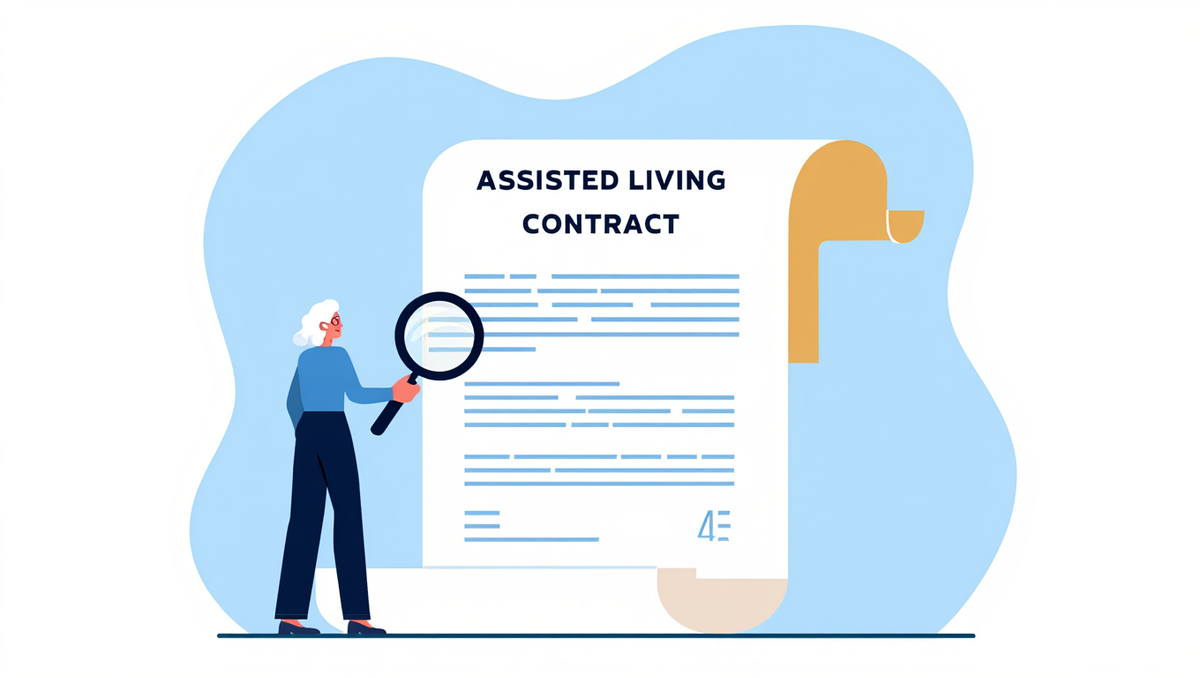
Local Oversight & Regulations
In Georgia, assisted living facilities are licensed, monitored, and inspected by the Georgia Department of Community Health (DCH), Health Facilities Division. DCH ensures compliance with regulations for staffing, resident care, building safety, and quality standards. Facilities must maintain a valid license and are subject to inspections and complaint investigations to protect residents.
For official information, visit:https://dch.georgia.gov
What to Look For
When evaluating assisted living communities in Sandy Springs or Roswell, consider these key points:
- Staffing and Training: Ensure staff are qualified, available 24/7, and trained in elder care, including dementia support if needed.
- Contracts and Fees: Review admission agreements for included services, optional fees, and policies on rate increases.
- Safety and Accessibility: Check emergency call systems, secure entrances, handrails, ramps, and well-lit hallways.
- Cleanliness and Comfort: Facilities should be well-maintained, clean, and comfortable for residents.
- Activities and Engagement: Ask about social events, fitness programs, and hobby groups that keep residents active.
- Location and Convenience: Consider access to hospitals, shopping, parks, and family visits.
- Care Planning: Confirm that individualized care plans are in place and updated regularly.
Atmosphere and Culture – Observe staff–resident interactions; respect and friendliness indicate a positive environment.
 Smart Senior Daily Staff
What Questions You Should Ask
Operational challenges affect staffing, care quality, and daily life. Ask:
- What are the biggest operational challenges you are facing right now?
- How do staffing shortages or turnover affect residents?
- What steps have you taken recently to improve staffing stability?
- How do you maintain consistent care when staff changes occur?
- How are families informed if operational issues impact care?
Every facility has strengths and gaps. Ask:
- What services or features do you offer that nearby facilities do not?
- What services do other assisted living communities offer that you don’t?
- Are there commonly requested services you currently do not provide?
- If a resident needs a service you don’t offer, what happens next?
Facilities evolve over time. Ask:
- What new services or care levels do you plan to add in the next few years?
- Are there plans to expand memory care, medical support, or therapy services?
- Will current residents have priority access to new services?
- How are residents notified when services change or are delayed?
The 80/20 rule requires that at least 80% of residents be age 55 or older, while up to 20% may be younger (such as spouses or caregivers).
- Does this community follow the 80/20 rule for 55+ housing?
- What percentage of residents here are currently under age 55?
- Under what circumstances can younger residents live here?
- How do you monitor compliance with the 80/20 rule?
Disclaimer: This checklist is provided for general informational purposes only and is not intended as legal, medical, or financial advice. Smart Senior Daily does not endorse or recommend any specific assisted living or long-term care provider.