The Takeaway
- Assisted living in Thousand Oaks (often licensed as RCFEs in California) offers non-medical support to older adults needing help with daily tasks.
- California’s 2024 assisted living median is $88,200, well above the national median of $70,800. Genworth Financial, Inc.
- In California, assisted living (RCFE) facilities are licensed and regulated by the California Department of Social Services, Community Care Licensing Division. aging.ca.gov
- Key evaluation points include staffing, contract clarity, safety, location, operations, and inspection history.
- Always tour in person, review licensing and complaint records, and speak with residents or families.
Introduction
Thousand Oaks, in Ventura County just north of Los Angeles, is a suburban city valued for its quality of life, access to medical services, and relative proximity to major urban centers. For families in the area who are exploring assisted living, choosing a community locally means balancing cost, care quality, and convenience.
Because California is among the higher-cost states for elder care, it’s especially important in Thousand Oaks to understand what services are typical, how much you can expect to pay, how oversight is handled, and which red flags to watch for.
What Assisted Living Covers
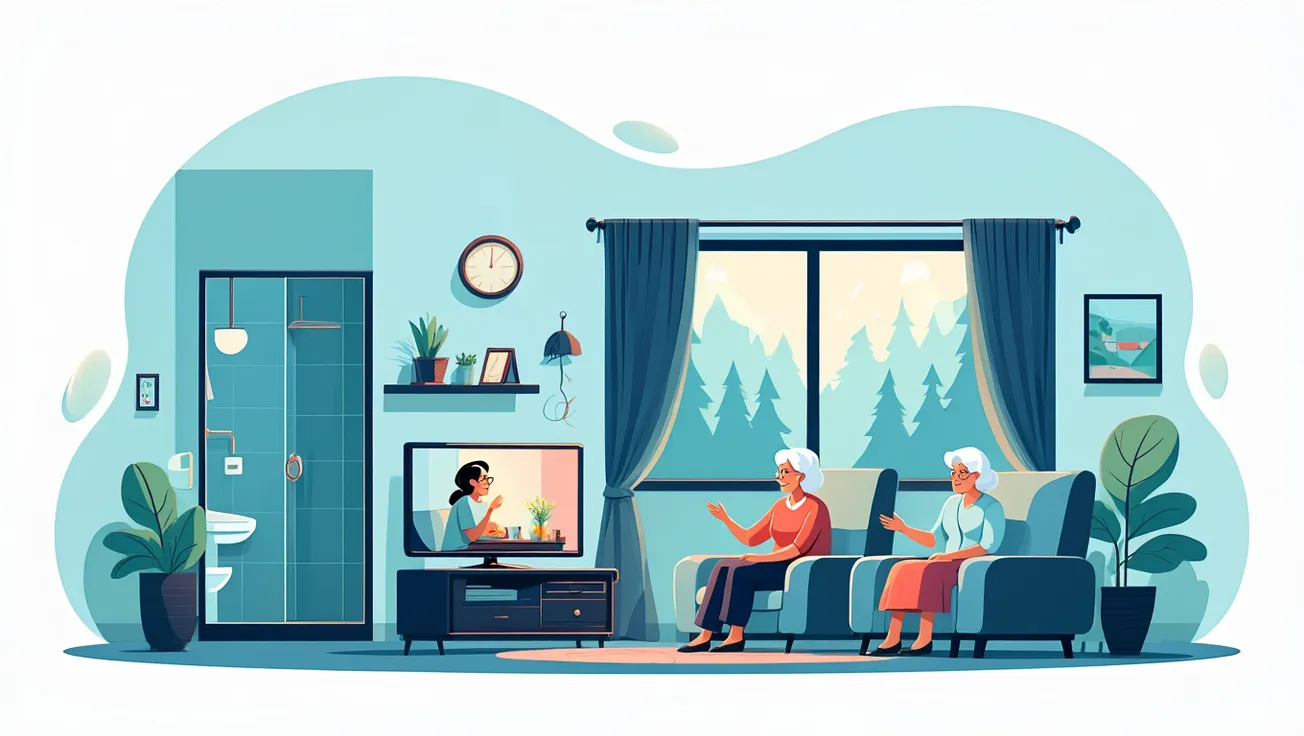
In California, assisted living is often delivered via Residential Care Facilities for the Elderly (RCFEs). These facilities typically provide:
- Private or shared rooms or small apartments
- Three meals daily (plus snacks)
- Assistance with activities of daily living (bathing, dressing, toileting, grooming)
- Medication reminders (not full medical administration)
- Housekeeping, laundry, and light maintenance
- Scheduled transportation to medical appointments or errands
- Social, recreational, and wellness programming
RCFEs are intended for people who do not require continuous nursing care, but do need support and supervision. aging.ca.gov
 Smart Senior Daily Staff
Typical Costs
According to the 2024 Genworth Cost of Care Survey, the national median cost for assisted living communities is $70,800 annually.
In California, the cost for assisted living (RCFEs) is significantly higher, with a 2024 median of $88,200 per year. Genworth Financial, Inc.
These higher costs reflect labor, regulation, real estate, and operational expenses in California’s elder care sector.
Local Oversight & Regulations
In California, RCFEs are licensed and regulated by the Community Care Licensing Division of the California Department of Social Services (CDSS). aging.ca.gov
This division handles licensing, facility inspections, enforcement, and complaints in adult and senior care settings. cdss.ca.gov
The Long-Term Care Ombudsman Program also plays a role in protecting resident rights, investigating complaints, and serving as a liaison for residents in RCFEs. aging.ca.gov
To verify a facility’s license or review its inspection history, you can use the CDSS facility search and complaint hotline through the Senior Care Licensing program. cdss.ca.gov
What to Look For
- Staffing levels, training, and turnover: Ask how many caregivers there are per shift, the training they receive (especially in memory care or special needs), and staff turnover rates.
- Contract transparency & fee structure: Ensure contracts clearly disclose what’s included, what services are considered add-ons, how and when rates may increase, and termination or service change terms.
- Safety and emergency systems: Check for emergency call buttons, fall-prevention design (grab bars, non-slip flooring), secure entry/exit systems, fire safety protocols, and backup power.
- Location & accessibility: Consider proximity to your family, medical services, shopping, public transportation, and whether visits are convenient.
- Atmosphere and community life: Visit during meals or activities to observe staff–resident interactions, level of engagement, social programming, and resident satisfaction.
- Care planning & supervision: Ask how individual care plans are developed, monitored, and updated, and how changes in health or ability are addressed.
- Facility condition & cleanliness: Inspect private rooms and common areas; check for maintenance, cleanliness, pleasant odors, lighting, grounds, and overall upkeep.
- Licensing history, complaints & reputation: Use the CDSS license lookup to check for violations or complaints, review inspection records, and talk with current or former residents or families.
Allegations and inspections trends: Thousand Oaks RCFEs had an average of 5.6 allegations in 2023, above Ventura County and California averages, and an average of 2.67 inspections. Seniorly
 Smart Senior Daily Staff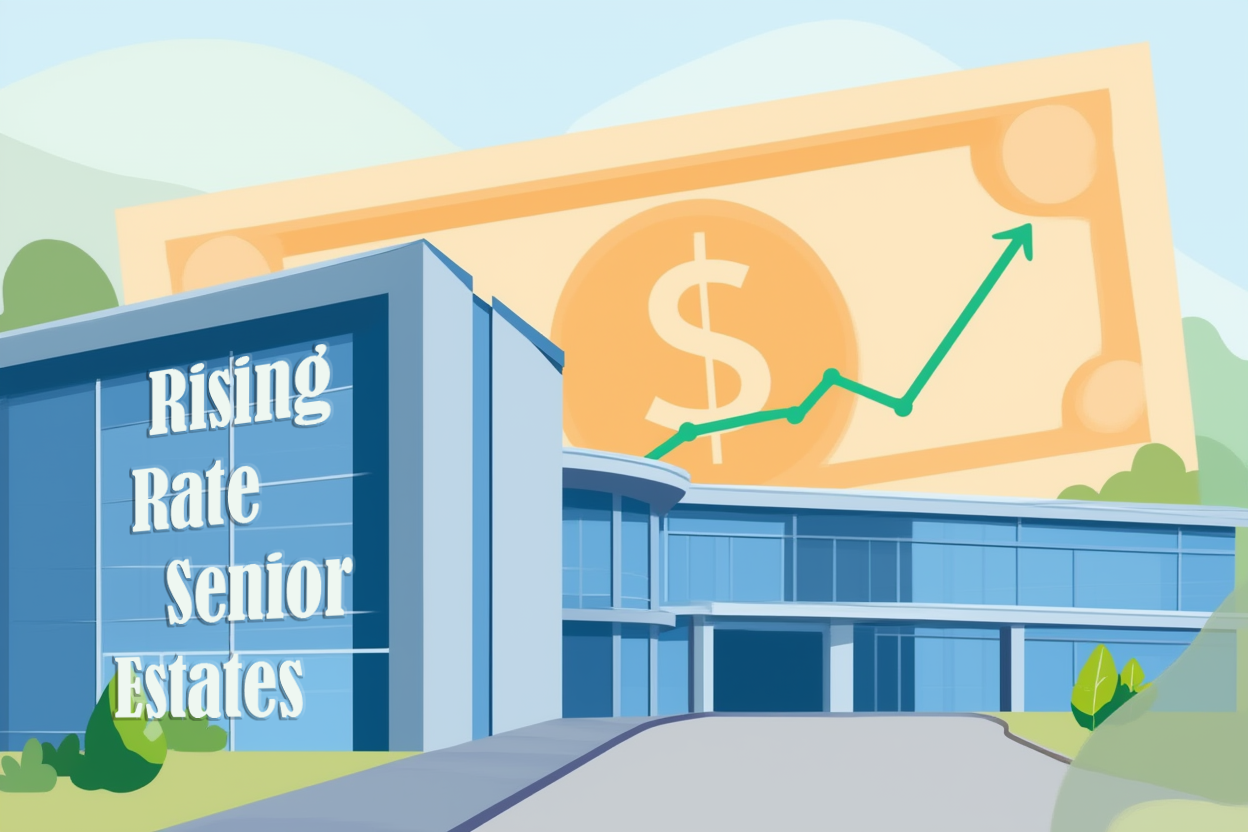
What Questions You Should Ask
Operational challenges affect staffing, care quality, and daily life. Ask:
- What are the biggest operational challenges you are facing right now?
- How do staffing shortages or turnover affect residents?
- What steps have you taken recently to improve staffing stability?
- How do you maintain consistent care when staff changes occur?
- How are families informed if operational issues impact care?
Every facility has strengths and gaps. Ask:
- What services or features do you offer that nearby facilities do not?
- What services do other assisted living communities offer that you don’t?
- Are there commonly requested services you currently do not provide?
- If a resident needs a service you don’t offer, what happens next?
Facilities evolve over time. Ask:
- What new services or care levels do you plan to add in the next few years?
- Are there plans to expand memory care, medical support, or therapy services?
- Will current residents have priority access to new services?
- How are residents notified when services change or are delayed?
The 80/20 rule requires that at least 80% of residents be age 55 or older, while up to 20% may be younger (such as spouses or caregivers).
- Does this community follow the 80/20 rule for 55+ housing?
- What percentage of residents here are currently under age 55?
- Under what circumstances can younger residents live here?
- How do you monitor compliance with the 80/20 rule?
Disclaimer: This checklist is provided for general informational purposes only and is not intended as legal, medical, or financial advice. Smart Senior Daily does not endorse or recommend any specific assisted living or long-term care provider.