
The Takeaway
- Assisted living in Toledo offers housing, meals, personal care, and social activities for seniors.
- The average annual cost in Ohio is around $50,400, below the national median of $70,800.
- The Ohio Department of Aging regulates assisted living facilities in the state.
- Key considerations include staffing, contract clarity, safety measures, and the facility’s atmosphere.
- Location and individualized care planning are important factors to ensure a good fit.
Introduction
Toledo, Ohio, is a city with a growing senior population seeking supportive living arrangements that promote independence and community. Assisted living plays a critical role here by offering seniors the help they need with daily tasks while allowing them to maintain a comfortable lifestyle. Knowing what to look for in these communities can make a significant difference for families and residents alike.
What Assisted Living Covers
Assisted living communities provide private or shared apartments, nutritious meals, help with daily activities such as bathing or medication management, and social programs to encourage engagement. These services are tailored to support seniors who do not require full-time medical care but need assistance to live safely and comfortably.
Typical Costs
According to the 2024 Genworth Cost of Care Survey, the average annual cost for assisted living in Ohio is approximately $50,400. This is below the national median cost of $70,800. Costs may vary based on the level of care, location, and amenities offered. It’s important to consider these figures carefully when planning for long-term care.👉 https://www.genworth.com/aging-and-you/finances/cost-of-care.html
 Smart Senior Daily Staff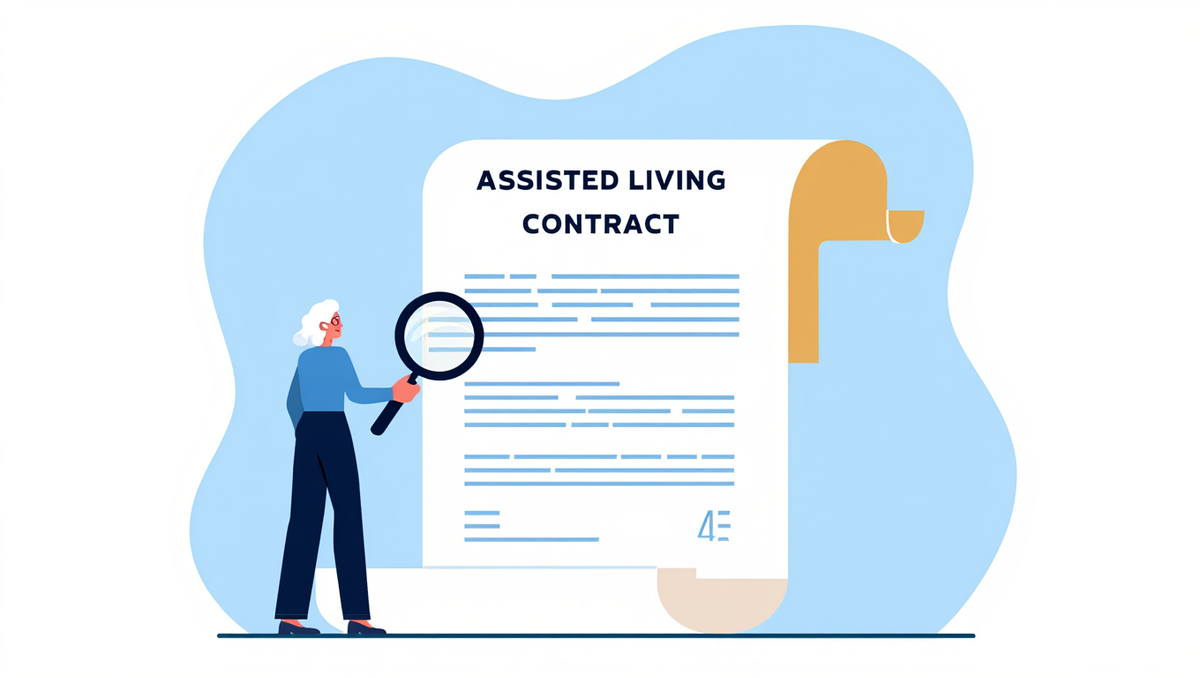
Local Oversight & Regulations
In Ohio, assisted living facilities are licensed and regulated by the Ohio Department of Aging. The department ensures that facilities comply with state standards for safety, staffing, and resident care. Families can consult the Department of Aging for information about facility licenses and any reported violations.Ohio Department of Aging
What to Look For
- Staffing: Confirm there are enough qualified staff members available 24/7 to meet residents’ needs.
- Contract Terms: Review agreements for clear details on costs, included services, and cancellation policies.
- Safety: Check for emergency response systems, secure entrances, and well-maintained living areas.
- Location: Consider proximity to family, medical facilities, and community amenities.
- Atmosphere: Visit the community to observe cleanliness, friendliness, and overall environment.
- Care Planning: Ensure personalized care plans are created and regularly updated for each resident.
- Social Activities: Look for programs that encourage social interaction and mental engagement.
Dining Options: Evaluate meal quality, dietary accommodations, and dining environment.
 Smart Senior Daily Staff
What Questions You Should Ask
Operational challenges affect staffing, care quality, and daily life. Ask:
- What are the biggest operational challenges you are facing right now?
- How do staffing shortages or turnover affect residents?
- What steps have you taken recently to improve staffing stability?
- How do you maintain consistent care when staff changes occur?
- How are families informed if operational issues impact care?
Every facility has strengths and gaps. Ask:
- What services or features do you offer that nearby facilities do not?
- What services do other assisted living communities offer that you don’t?
- Are there commonly requested services you currently do not provide?
- If a resident needs a service you don’t offer, what happens next?
Facilities evolve over time. Ask:
- What new services or care levels do you plan to add in the next few years?
- Are there plans to expand memory care, medical support, or therapy services?
- Will current residents have priority access to new services?
- How are residents notified when services change or are delayed?
The 80/20 rule requires that at least 80% of residents be age 55 or older, while up to 20% may be younger (such as spouses or caregivers).
- Does this community follow the 80/20 rule for 55+ housing?
- What percentage of residents here are currently under age 55?
- Under what circumstances can younger residents live here?
- How do you monitor compliance with the 80/20 rule?
Disclaimer: This checklist is provided for general informational purposes only and is not intended as legal, medical, or financial advice. Smart Senior Daily does not endorse or recommend any specific assisted living or long-term care provider.