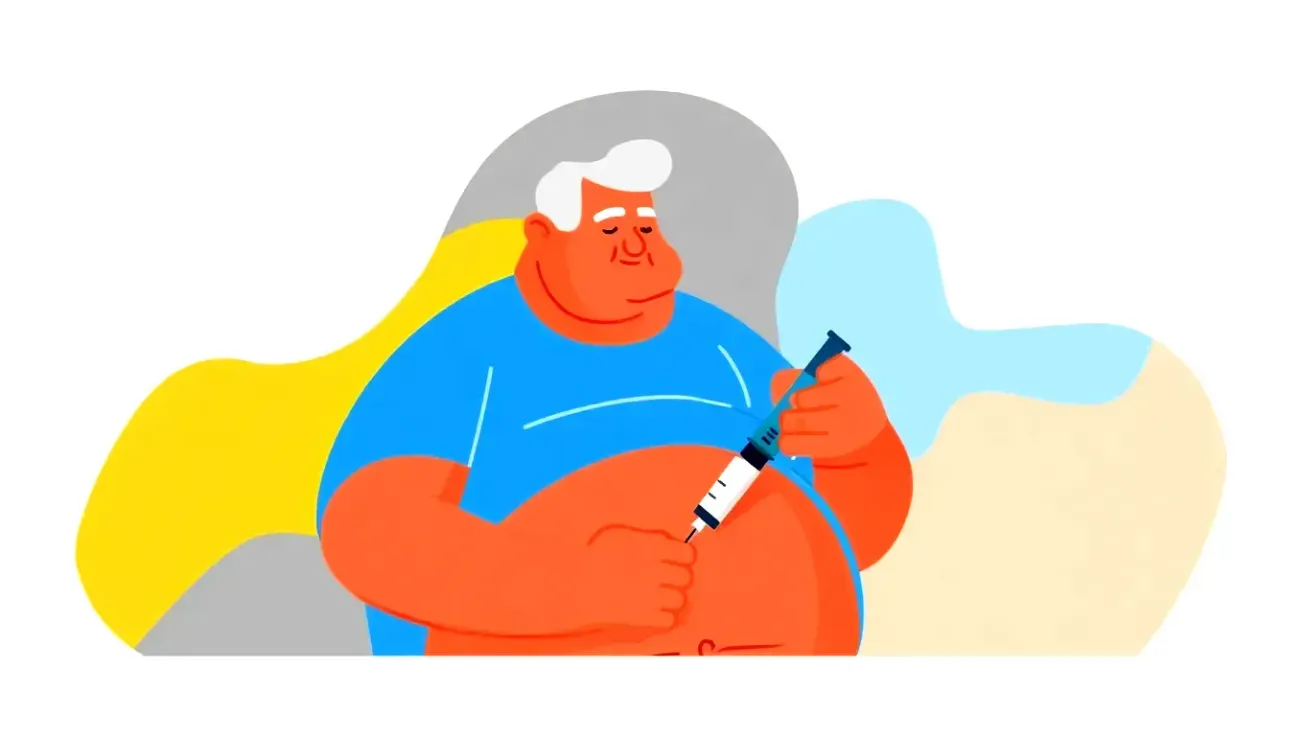
The Takeaway
- GLP-1 drugs can be effective, but they come with trade-offs that matter more after 60
- Muscle loss, side effects, and cost are the biggest issues for seniors
- Many older adults stop these medications within a year
- A short conversation now can prevent a long regret later
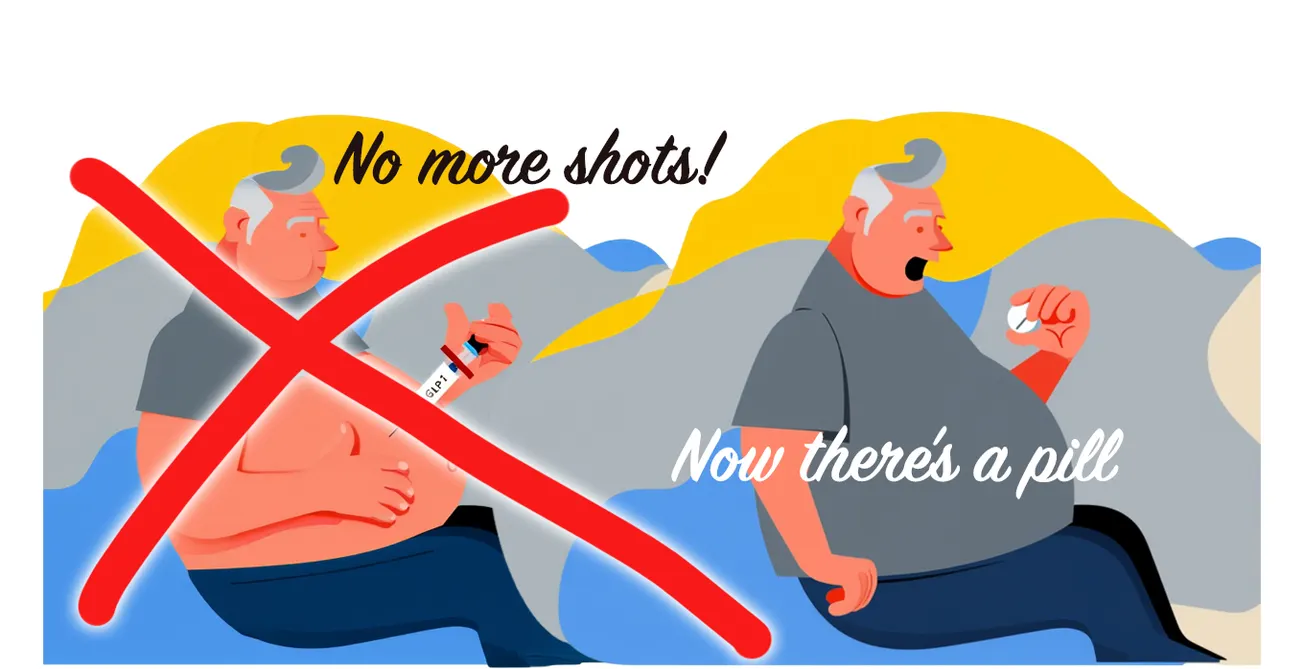
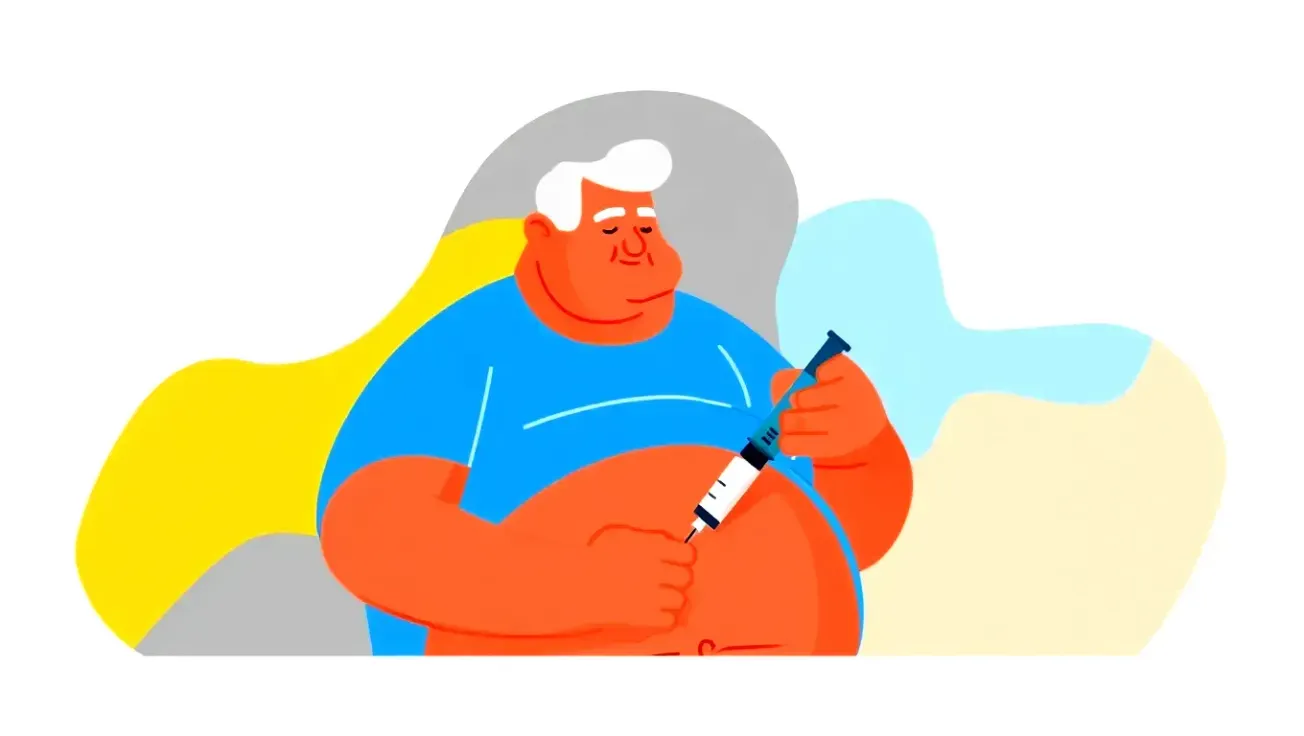
Weight-loss drugs like Wegovy and Zepbound are everywhere right now — in headlines, commercials, and doctor’s offices.
And for good reason. They work.
But for older adults, the question isn’t just “Will I lose weight?”
It’s:
“Will this help me stay strong, independent, and feeling like myself?”
Before you start, here are seven smart questions to walk through — ideally with your doctor, but also with yourself.
 Carolyn Ames
1. Am I trying to lose weight — or improve my health?
Those aren’t always the same thing.
If you’re dealing with:
- Type 2 diabetes
- Heart disease
- Severe joint pain
…then weight loss may bring real medical benefits.
But if the goal is more cosmetic, the trade-offs (especially muscle loss) may not be worth it.
2. How will I protect my muscle — not just lose weight?
This is the #1 issue for seniors.
GLP-1 drugs can reduce appetite so much that people eat too little protein — and lose muscle along with fat.
Ask:
- How much protein should I be eating daily?
- Should I be doing resistance training (even light)?
- How will we monitor muscle loss vs fat loss?
Losing weight but also losing strength is not a win after 60.
3. What side effects should I realistically expect — and for how long?
Common issues include:
- Nausea
- Constipation or diarrhea
- Fatigue
- Loss of appetite
Some people adjust. Others don’t.
Ask your doctor:
- When should side effects improve?
- At what point should I consider stopping?
4. What happens if I stop?
This is rarely emphasized — but it matters.
Many people:
- Regain weight after stopping
- Lose the metabolic benefits (blood sugar, cholesterol)
So ask:
Is this something I’m prepared to stay on long-term?
5. Can I afford this for a year — not just a month?
Even with newer pricing options:
- Costs can range from ~$150 to ~$1,000/month
- Medicare coverage is limited for weight loss
Important follow-ups:
- Will the price increase after starter doses?
- Are there supply issues or shortages?
- What’s my backup plan if I can’t afford it later?
6. How does this interact with my other medications?
Most seniors are already managing multiple prescriptions.
GLP-1s can:
- Slow digestion (affecting how other drugs are absorbed)
- Increase risk of dehydration
- Complicate blood sugar control
This is not a plug-and-play medication.
7. What does “success” actually look like for me?
Before you start, define it clearly.
Is success:
- A number on the scale?
- Lower A1C?
- Less knee pain?
- Being able to get up from a chair more easily?
Because if the scale goes down — but your strength, energy, or balance goes with it — that’s not success.
The Bottom Line
GLP-1 drugs can be helpful tools.
But after 60, they’re not just about weight. They’re about function, strength, and independence.
The best question to ask isn’t:
“How much weight will I lose?”
It’s:
“Will this help me live better — not just lighter?”
 Smart Senior Daily Staff
Disclaimer: This article is for informational purposes only and does not constitute medical advice. Older adults should consult a qualified healthcare provider before starting or stopping any weight-loss medication, especially when managing multiple conditions or prescriptions.