If you've been caught up in the current news cycle, you've no doubt heard the word “affordability” being volleyballed around on Capitol Hill. Prescription drugs certainly fit into that category and – at least on paper – Medicare’s long-awaited cap on out-of-pocket drug costs looks like a win.
However...
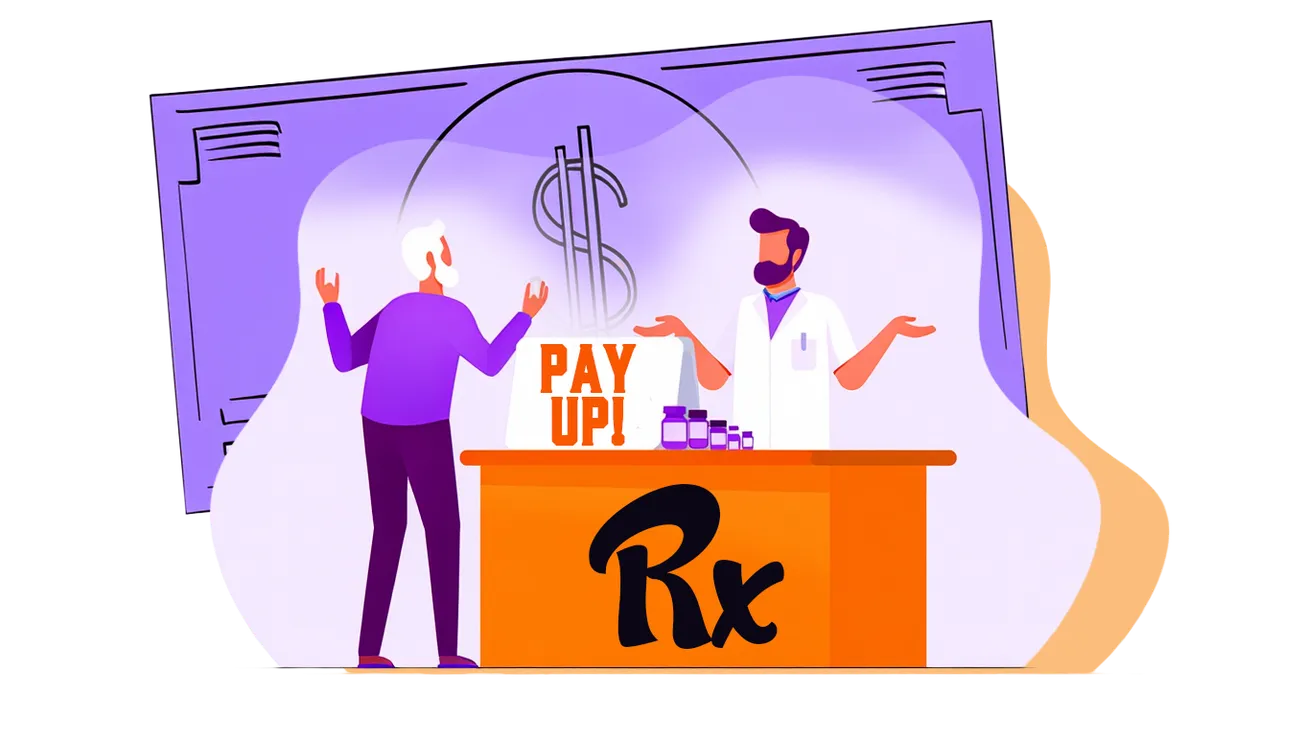
In real life, many seniors with cancer are still walking away from the pharmacy counter.
New research published in JAMA finds that even after Medicare Part D cost-sharing changes took effect in 2024, too many beneficiaries can’t afford to start lifesaving oral cancer medications.
 Gary P Guthrie
What changed — and what didn’t
Under the Inflation Reduction Act, Medicare eliminated the 5% coinsurance requirement in the catastrophic phase of Part D for beneficiaries without low-income subsidies. That change effectively capped annual out-of-pocket prescription drug costs at about $3,250 for people using specialty oral anticancer medications.
The expectation was straightforward: lower the cap, and more patients would fill their prescriptions.
The reality turned out to be messier.
Researchers analyzed prescription fill rates before and after the policy change and found that average upfront costs for a new oral cancer drug still exceeded $2,000 for many Medicare beneficiaries. While prescription approvals increased, fewer than half of eligible patients filled their insurer-approved prescriptions within 60 days.
In short, cost relief spread over the year didn’t solve the immediate “sticker shock” patients face at the pharmacy.
As the study notes, Medicare beneficiaries with cancer have long delayed or skipped treatment because of high out-of-pocket drug costs — and the cap hasn’t fully fixed that problem.
The full study, “Specialty Oral Anticancer Prescription Fill Rates After Medicare Part D Cost-Sharing Changes in 2024,” is available here.
The upfront cost problem
While total annual spending may now be lower, the first pharmacy bill often arrives before the cap provides meaningful relief. For seniors living on fixed incomes, that initial charge can delay — or completely derail — treatment.
The findings reinforce a long-standing issue in Medicare drug coverage: lowering annual exposure does not necessarily address affordability at the moment treatment begins.
A little-known option that could help
One potential workaround already exists. The Medicare Prescription Payment Plan allows beneficiaries to spread prescription drug costs across monthly payments instead of paying large sums upfront.
That option could significantly ease the burden for patients starting expensive cancer therapies. But awareness remains low, and timing matters. The earlier a beneficiary enrolls, the more months they have to spread costs. January 2026 represents a key window for seniors who expect high prescription expenses in the coming year.
 Smart Senior Daily Staff
Why it matters
Cancer treatment decisions are rarely optional. When patients walk away from approved prescriptions because of cost, even well-intended policy reforms fall short.
This research highlights a persistent gap between Medicare’s affordability goals and the real-world experience of seniors at the pharmacy counter.
Health & Medical Disclaimer: This article is for informational purposes only and does not provide medical, financial, or legal advice. Always talk with your doctor, pharmacist, Medicare plan provider, or a licensed Medicare counselor before making decisions about cancer treatment or prescription drug coverage.