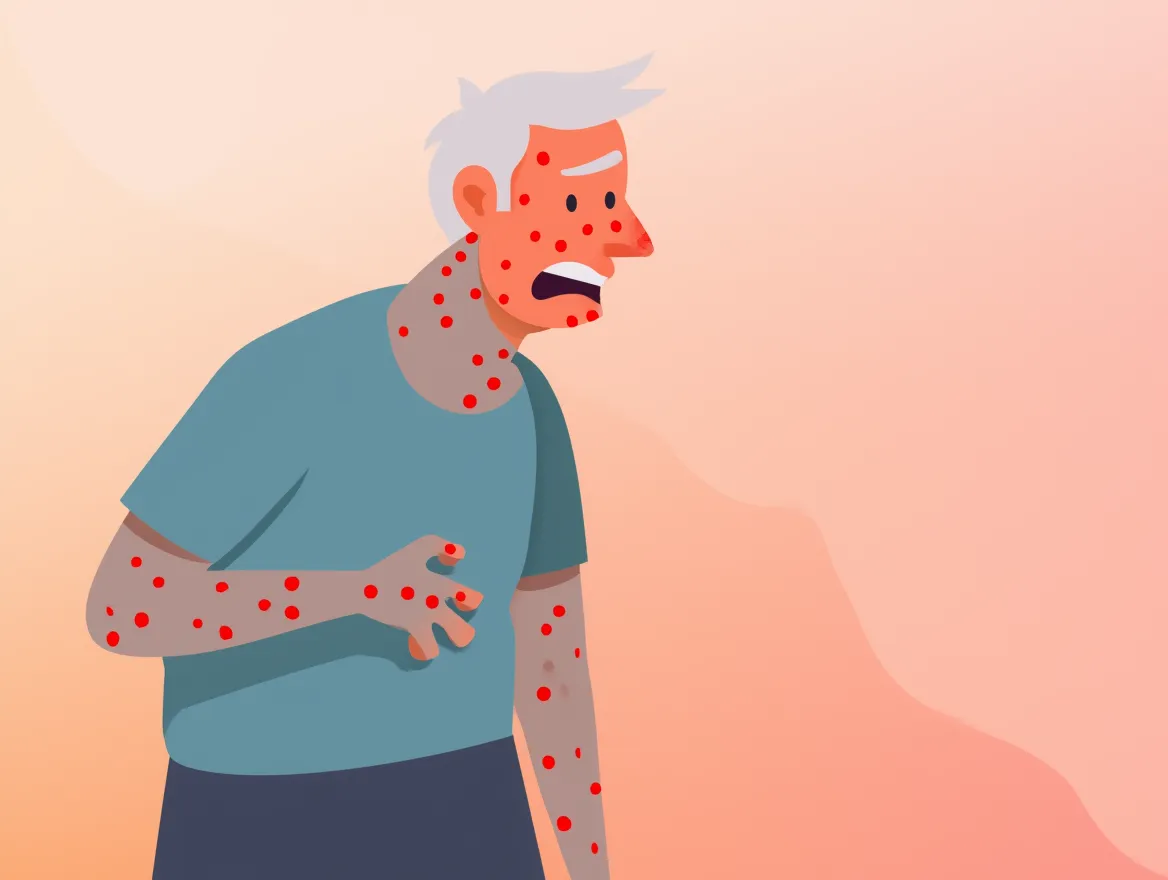
Catch a cold — or something like it — over the holidays? You’re not the only one coughing and sneezing your head off (not to mention that runny nose).
Is it the flu? Maybe.
Is it a cold? Maybe.
Is it allergies? Doubtful, but when your head feels like cotton and your chest won’t stop rattling, you start running through the possibilities.
The bigger point: we’re not alone.
Flu cases are surging — fast
New data from the Centers for Disease Control and Prevention show flu activity ramping up sharply during the holiday stretch.
According to reporting by ABC News, CDC estimates as of Dec. 19 that there have already been at least 4.6 million flu illnesses, 49,000 hospitalizations, and 1,900 deaths this season.
New York State, for example, just logged the highest number of flu cases ever recorded in a single week, a sign that the surge is real — and widespread.
One added concern for older adults: the dominant flu strain this season is a version of H3N2, which has historically been linked to higher hospitalization and death rates among seniors.
Because this strain began circulating after U.S. vaccine formulations were finalized, experts say this year’s flu shot may be less effective at preventing infection — though it still appears to reduce severe illness and hospitalizations.
Public health experts expect those numbers to keep climbing as travel, family gatherings, and winter weather all work in the virus’s favor.
What’s fueling this season? Officials told ABC News that many cases are tied to a newer flu strain — a subtype of influenza A — that’s been circulating since summer in other countries. These strains often hit older adults harder, especially those with underlying health conditions.
▼ Old-Timer Remedies: Which Ones Help — and Which Don’t
We all grew up hearing them. Grandma swore by them. Your dad repeated them like gospel. But do those old sayings actually hold up?
Here’s how a few classic “cold and flu cures” stack up today.
“Starve a cold, feed a fever.”
Verdict: ❌ Mostly a myth
There’s no medical evidence that skipping food helps you recover. In fact, your body needs calories, protein, and fluids to fight infection. What does matter is hydration and eating what you can tolerate.
What helps:
- Light, nourishing foods
- Fluids, fluids, fluids
Chicken soup cures everything.
Verdict: ✅ Some truth here
Chicken soup won’t kill a virus, but studies suggest warm broth may reduce inflammation and help clear nasal passages. Plus, it’s easy to digest when your appetite is shot.
What helps:
- Warmth and hydration
- Salt for sore throats
- Comfort (which actually matters)
A hot toddy will knock it right out.
Verdict: ❌ Short-term comfort, long-term downside
Alcohol may make you feel relaxed or sleepy, but it can dehydrate you and interfere with immune response — especially during flu or RSV.
What helps instead:
- Warm tea with honey
- Lemon water
- Non-alcoholic warmth
Sweat it out under blankets.
Verdict: ⚠️ Be careful
A mild fever is part of the immune response, but overheating can make you miserable and dehydrated. If you’re sweating heavily, you’ve gone too far.
Better approach:
- Dress comfortably
- Let fever reducers work if needed
- Keep fluids nearby
Honey for coughs and sore throats.
Verdict: ✅ Supported by evidence (for adults)
Honey can soothe throat irritation and suppress cough — sometimes as well as OTC syrups.
Important note:
- Never give honey to infants under 1 year
- Adults and seniors are fine
Vitamin C mega-doses stop colds.
Verdict: ⚠️ Overhyped
Regular vitamin C may slightly shorten colds, but taking huge doses after symptoms start doesn’t do much — and can upset your stomach.
Better approach:
- Stick to recommended daily amounts
- Focus on rest and hydration
Why it’s so hard to tell what you’ve caught
Many seniors say the same thing: This doesn’t feel like the flu I remember. That’s because symptoms often overlap.
Flu, common colds, and even COVID variants can all cause:
- Fever or chills
- Fatigue that knocks you flat
- Congestion and cough
- Body aches
- Headache
Allergies rarely cause fever, which is why doctors often rule them out quickly this time of year.
If symptoms are severe, worsening, or lingering — especially shortness of breath, chest pain, or confusion — that’s a sign to call a doctor, not wait it out.
▼ Cold & Flu Products People Swear By (Senior Edition)
When you’re sick, nobody wants complicated. These are the simple things people keep buying again — not because they’re flashy, but because they help you feel human while your body does the real work.
Cool-Mist Humidifiers
View on Amazon
Why people swear by them:
Dry winter air makes coughs harsher and nasal congestion worse. A humidifier adds moisture back into the air, which can ease breathing and help with sleep.
What to look for:
- Cool-mist (safer than warm mist)
- Large tank so you’re not refilling at 3 a.m.
- Simple controls, not app-dependent
Electric Kettles (Auto Shut-Off)
View on Amazon
Why people swear by them:
Tea, broth, lemon water, honey drinks — warmth matters when you’re sick. An electric kettle is faster and safer than a stovetop when you’re tired or foggy.
What to look for:
- Automatic shut-off
- Easy-pour spout
- Clear water window
Bonus: Doubles as a daily-use item even when you’re well.
Heating Pads (Neck & Shoulder Style)
View on Amazon
Why people swear by them:
Body aches, chills, and that deep flu soreness respond well to gentle heat.
What to look for:
- Auto shut-off (important for seniors)
- Soft fabric
- Multiple heat levels
Note: Heat doesn’t treat the illness — it treats the misery.
Extra-Strength Tissues + Lotion
View on Amazon
Why people swear by them:
Sounds boring until your nose is raw by day two. Then they’re worth their weight in gold.
Affiliate Disclosure:
Some links in this article are affiliate links. If you choose to make a purchase, Smart Senior Daily may earn a small commission at no extra cost to you. We only recommend products commonly used and trusted by seniors.
A quick word about RSV — and why adults should care
Respiratory syncytial virus (RSV) doesn’t get as much attention as flu, but new research suggests it deserves more respect.
A study published in the CDC’s journal Emerging Infectious Diseases followed adults hospitalized with RSV across 20 states. Researchers found that many patients experienced persistent problems 6 to 12 months later, including:
- Reduced physical function
- Difficulty with daily activities
- Ongoing shortness of breath
- Lower self-rated health and quality of life
Nearly half of the participants were under 60, yet long-term effects showed up regardless of age.
For older adults, RSV can be more than a rough week — it can linger.
What the AMA recommends right now
Health experts stress that even when a flu shot doesn’t perfectly match circulating strains, vaccination still lowers the risk of severe symptoms, hospitalization, and death — especially for older adults and people with chronic conditions.
The American Medical Association keeps its guidance simple and direct:
Flu vaccine
- Annual flu vaccination is recommended for everyone age 6 months and older, unless there’s a medical reason not to get it.
RSV vaccine
- A one-time RSV vaccine is recommended for:
- Adults 75 and older
- Adults ages 50–74 who are at increased risk due to chronic conditions or weakened immunity
Even if you missed an early fall shot, it’s not too late. Health officials say flu activity typically continues rising into January and February, meaning this post-holiday surge may not yet be the peak of the season.
Bottom line
If it feels like everyone is sick right now, that’s because many people are. The holidays gave viruses the perfect opening, and seniors are often the ones who pay the highest price when infections turn serious.
Staying up to date on vaccines, paying attention to symptoms, and getting medical advice sooner rather than later can make a real difference — not just this winter, but months down the road.
Health Disclaimer: This article is for informational purposes only and is not a substitute for professional medical advice, diagnosis, or treatment. Always consult your physician or qualified health provider with questions about symptoms, vaccines, or medical conditions.