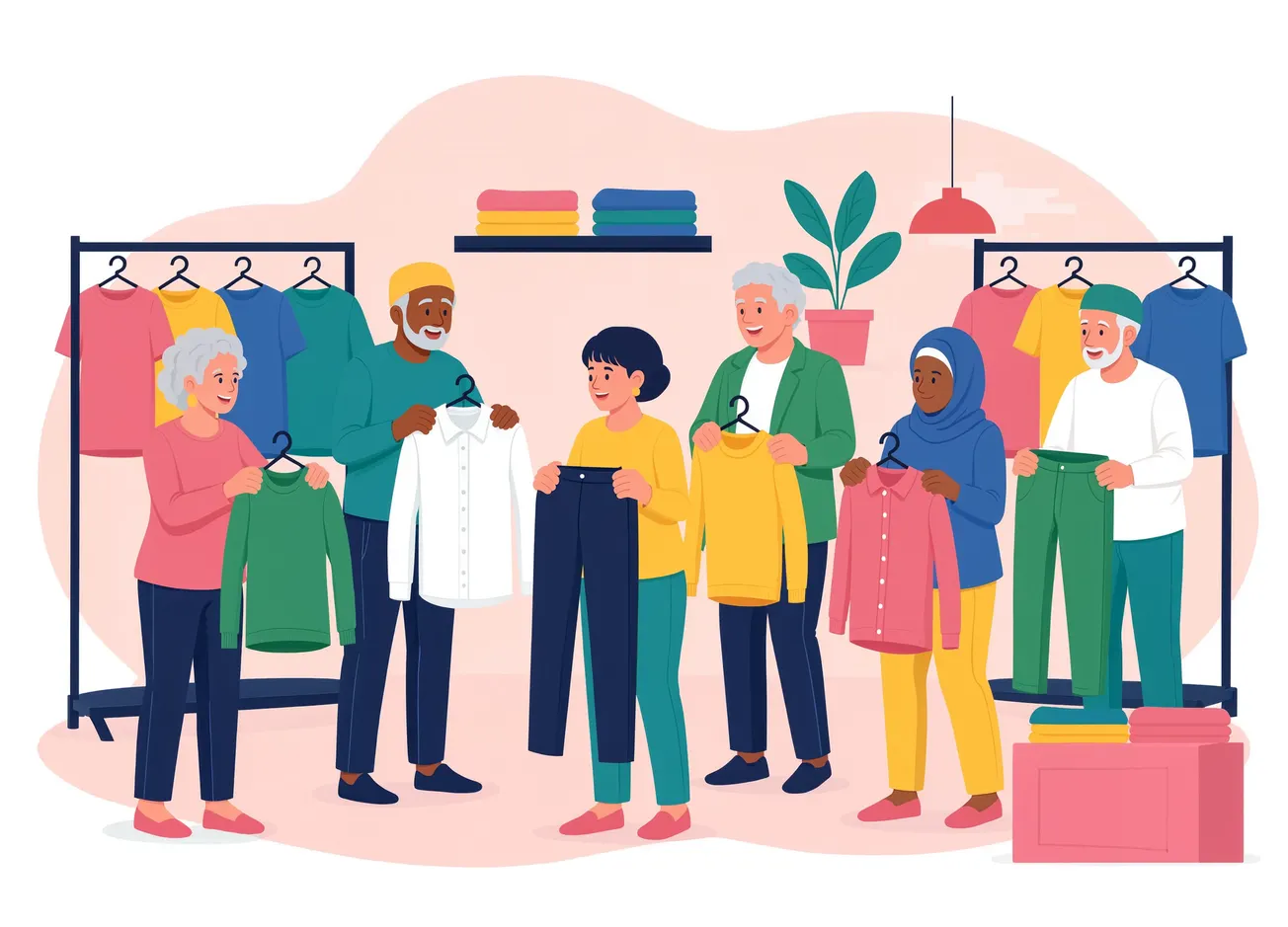
For most of us, getting dressed in the morning is something we don't think twice about. But for people living with Parkinson's disease, arthritis, or other conditions that affect hand strength and dexterity, a simple button or zipper can turn a daily routine into a daily struggle.
Maura Horton knows this firsthand. Years ago, watching her husband battle the frustrations of buttoning his own shirts as Parkinson's progressed, she drew on her background in fashion design to invent a solution: a dress shirt with hidden magnetic closures that look and feel like traditional buttons, but require none of the fine motor control.
That invention became MagnaReady, and it's since grown into a full line of adaptive clothing for people facing all kinds of mobility challenges.
Today Maura speaks regularly at Parkinson's and caregiver events across the country, mentors students at MIT's Open Style Lab, and has been recognized with honors, including a Gold Stevie Award for Female Entrepreneur of the Year. Below, she shares her practical advice for building a wardrobe that supports independence as we age.
When Smart Senior Daily lucked upon MagnaReady's website, we thought the idea was... well, genius. Something we thought was worth sharing, so we asked its inventor/CEO to share their insights on adaptive dressing (hers are below). Note: SSD was not compensated for this article.
Choose shirts that are easier to put on and take off.
Look for tops with hidden magnetic closures instead of traditional buttons, which can make dressing easier for people with arthritis, Parkinson’s disease, reduced hand strength, or limited dexterity. Lightweight, machine-washable fabrics are also easier to care for and wear every day.
Prioritize comfort and temperature regulation.
As we age, regulating body temperature can become more difficult. Breathable, moisture-activated cooling fabrics help keep wearers comfortable, while UPF 50+ clothing provides added sun protection for time spent gardening, walking, or enjoying the outdoors. Antimicrobial fabrics can also help reduce odors between washes.
Look for pants that are designed for independence.
Elastic waistbands eliminate the need for difficult buttons and zippers, while magnetic fly closures, pull tabs, and hook-and-loop security tabs make dressing simpler for those with limited mobility or hand strength.
Flat seams help reduce irritation during prolonged sitting, and thoughtfully placed pockets keep essentials within easy reach. For wheelchair users, specialty rises can improve both comfort and fit throughout the day.
 Gary P Guthrie
Don’t overlook outerwear.
Jackets, vests, flannels, and sweaters with magnetic closures can make layering much easier, especially during colder months when traditional buttons become even more cumbersome.
Wear supportive, easy-on footwear.
Shoes should have non-slip soles, a stable base, and secure closures such as hook-and-loop straps or elastic laces to reduce fall risk and make them easier to put on independently. Avoid worn-out slippers or shoes with slick soles around the house.
Choose accessories that support everyday independence.
Lightweight crossbody bags, adaptive belts, magnetic jewelry clasps, and other accessories that are easy to fasten can reduce frustration while helping older adults complete daily tasks without assistance.