By Dr. Carol McKinley, President & CEO, Simpson
The Takeaway
- Holiday traditions often need gentle adjustments when caregiving is involved.
- Invite older adults to help shape “new” versions of old rituals.
- Plan gatherings around energy levels, not the clock.
- Build in rest—for you and the person you care for.
- Accept help. Even small assists matter.
The holidays are supposed to sparkle, but if you’re caring for an older loved one, they can sneak up on you with a familiar tug-of-war: How do I keep traditions alive while honoring changing needs?
A friend recently shared that her mother—who usually loved Thanksgiving—didn’t want to get dressed or leave her apartment this year. Instead of pushing, the family shifted. They brought plates over after their meal and spent a quiet hour together. No fuss. No pressure. Just presence. It wasn’t the holiday they once knew, but it was meaningful in its own way.
That’s the reality for many caregivers. December brings favorite foods, familiar rituals, and reunions we look forward to all year. But it can also bring fatigue, grief, overstimulation, and practical challenges—especially for older adults navigating health changes or reduced independence. Thoughtful planning can make the entire season feel calmer, safer, and more joyful for everyone.
As someone who has spent a career walking alongside families at Simpson—our three Life Plan Communities in Pennsylvania—I see the magic that happens when older adults feel listened to, included, and respected. I also see how hard caregivers work behind the scenes. These are the strategies I most often share with families, residents, and care teams this time of year.
1. Encourage participation—on their terms.
If your loved one lives in a senior living community, take advantage of what’s already being offered. Seasonal socials, crafting sessions, musical programs, or smaller gatherings can help people feel connected without the pressure of travel or long days.
If you’re an older adult yourself, speak up about what matters: What traditions bring you joy? What feels overwhelming? A short conversation now prevents confusion and hurt feelings later.
The heart of the holidays hasn’t changed. Traditions may shift, but the sharing and caring remain.
2. Plan around energy, not the clock.
Holiday schedules tend to expand while energy levels shrink. Most older adults simply do better earlier in the day.
- Try a brunch or early dinner instead of a late-night celebration.
- Leave a buffer of quiet time before guests arrive.
- Keep visits shorter and more frequent, rather than one long event.
- Make time for storytelling—often the most treasured part of the day.
When schedules flex around energy instead of expectations, everyone feels more relaxed.
3. Keep traditions—but scale them.
Traditions don’t need to disappear. They may just need resizing.
- Bake one favorite cookie instead of the whole platter’s worth.
- Decorate a smaller tabletop tree or hang just a few meaningful ornaments.
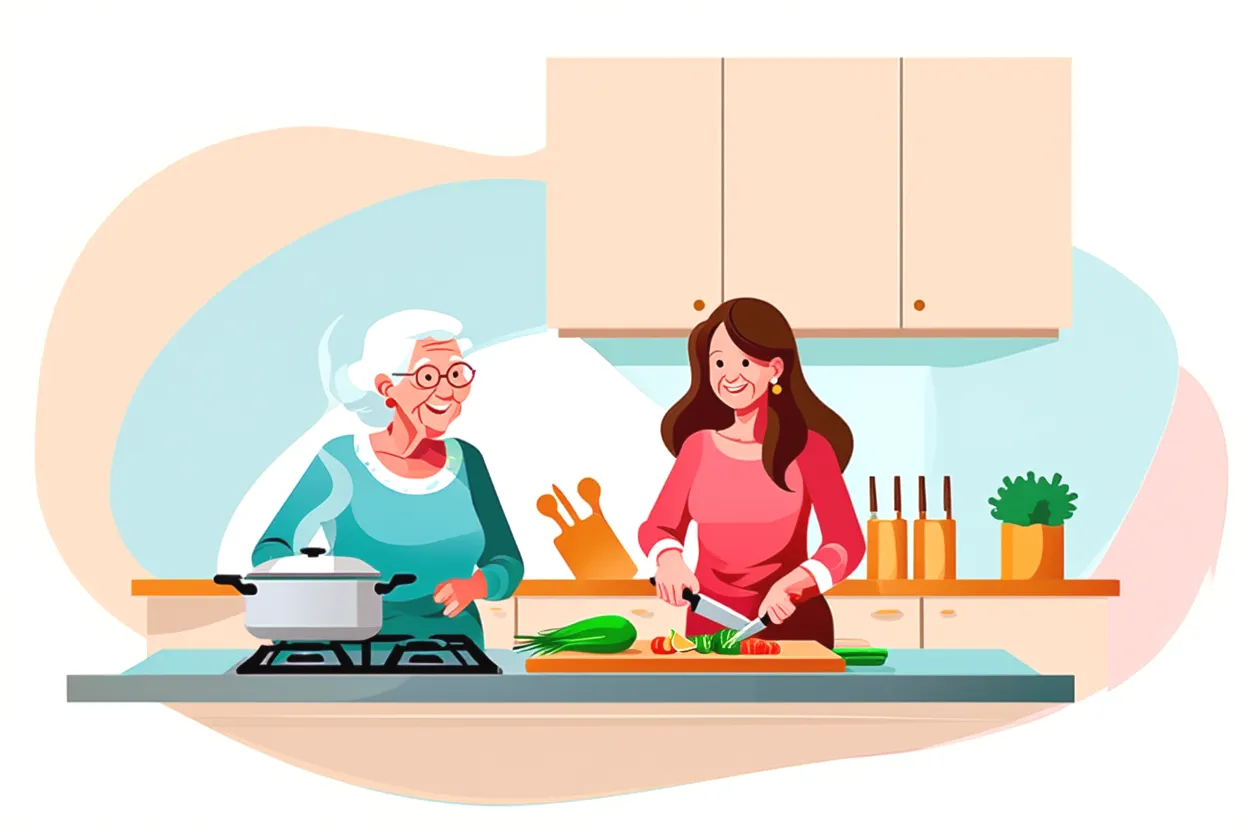
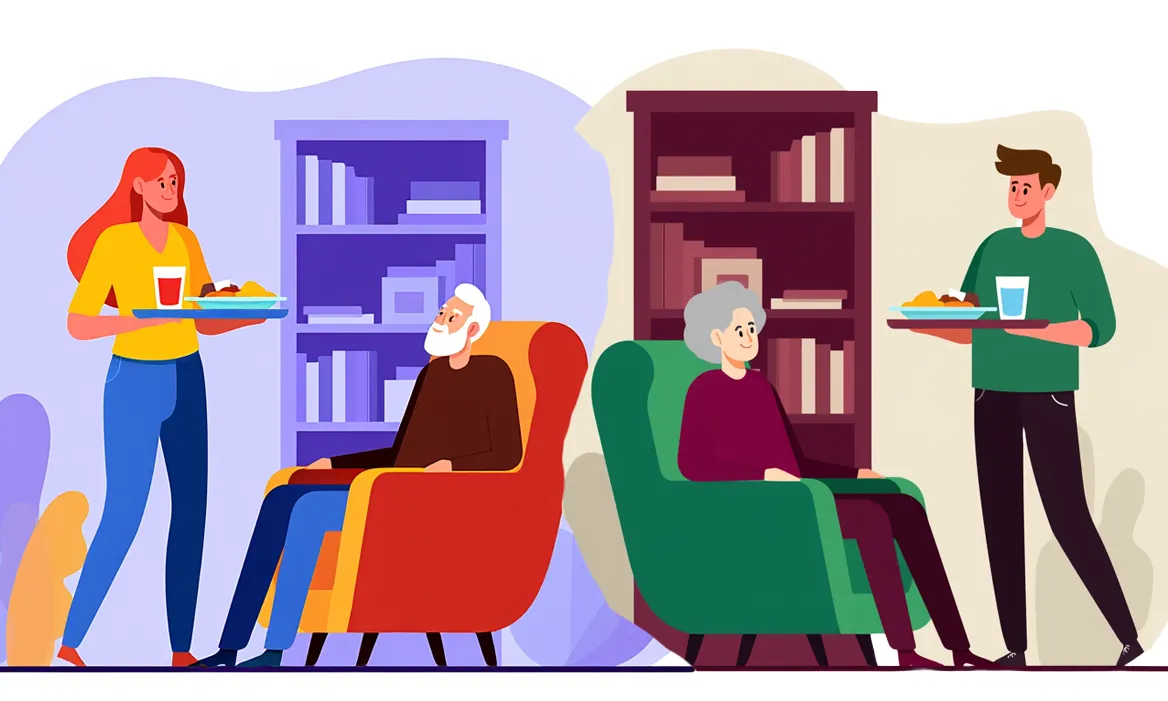
- Bring traditions to the elder with caroling in the living room, a movie night, or a shared meal delivered instead of cooked.
The goal isn’t to recreate the past—it’s to honor what still brings joy today.
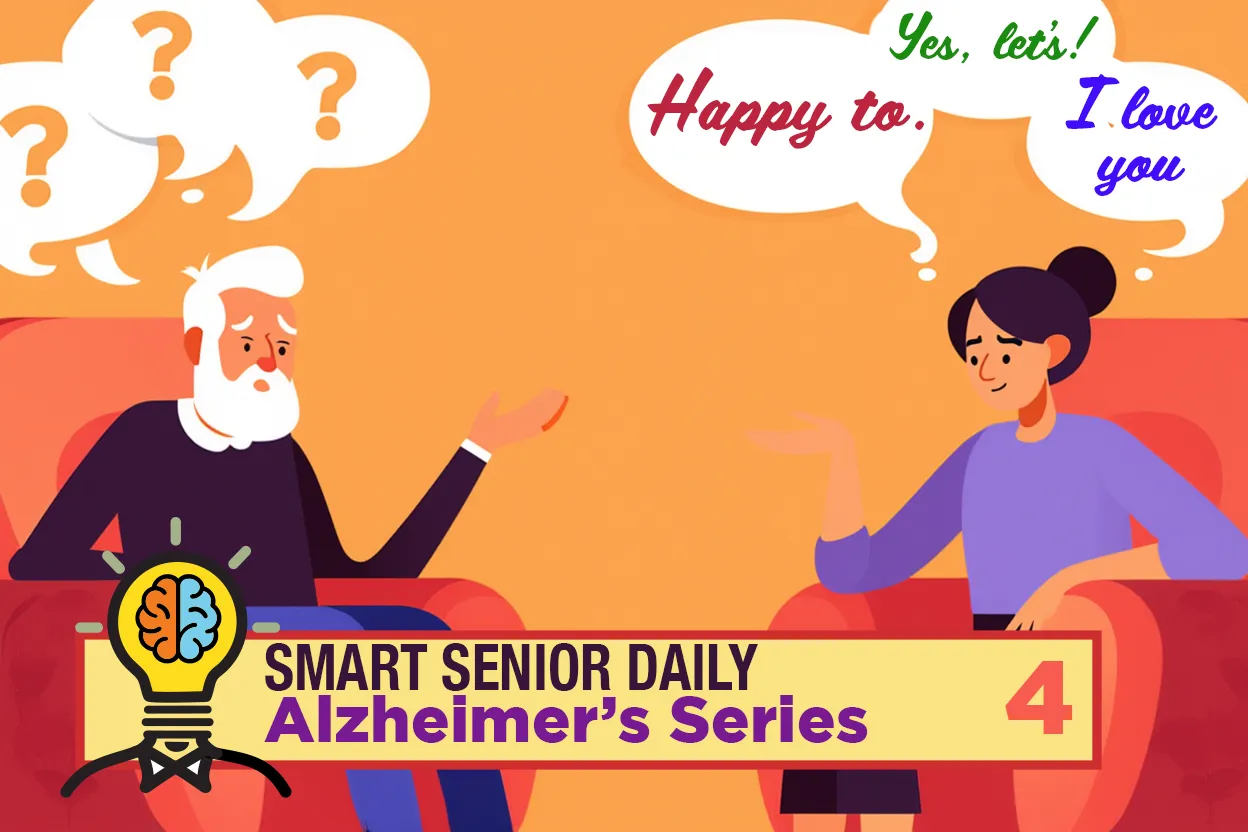
4. Support memory and conversation.
Large gatherings and overlapping conversations can be challenging for people with hearing loss or memory changes.
You can help by:
- Turning background music down during meals.
- Introducing people by name, even if they’re familiar.
- Using photo albums, old cards, or ornaments as conversation anchors.
- Slowing down the pace of talk so everyone can follow along.
- Using video calls with captions when connecting from afar.
These small habits can make a big difference in comfort and connection.
5. Don’t forget the caregivers.
According to AARP, 48 million Americans serve as family caregivers. Many do this while managing jobs, medical appointments, or the emotional load of watching someone they love change. The holidays amplify that pressure.
Caregiving requires flexibility and self-compassion. Ask yourself what truly matters—and what can fall away. Include your loved one in these decisions; needs shift over time.
A few reminders:
- Protect your own sleep, exercise, and social connections.
- Acknowledge the emotional complexity of caregiving—love, frustration, grief, and gratitude often coexist.
- Accept help when it’s offered. Even an hour of respite is a gift.
- If needs exceed what you can realistically provide, explore options like person-directed care that respects the individual’s routines and values.
Holiday caregiving isn’t about doing it all. It’s about creating an environment where everyone—including you—can breathe.
The holidays will never be perfect. But they can be meaningful, connected, and deeply human. When comfort takes priority over performance, the season becomes a gift for both caregivers and the seniors they love.
About the Author
Dr. Carol McKinley is President and CEO of Simpson, a regional retirement system with Life Plan Communities in Pennsylvania. She is a nationally recognized expert in elder care and a recipient of the Paul P. Haas Lifetime Achievement Award from LeadingAge Pennsylvania.
Health & Caregiving Disclaimer: This article provides general information, not medical or legal advice. Always consult a qualified healthcare provider for guidance about your or your loved one’s specific needs.