The Takeaway
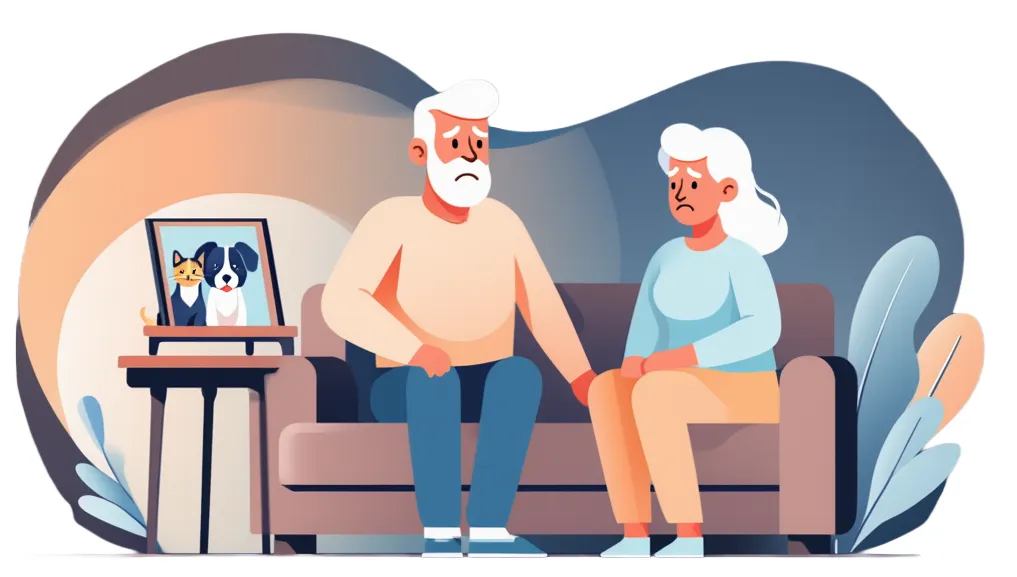
- Harvard researchers say avoiding grief only prolongs pain.
- Talking openly about loss helps the brain adapt and process.
- Social connection — even small doses — can restore balance and meaning.
- Anticipatory grief (before a loss) can be eased through honest planning.
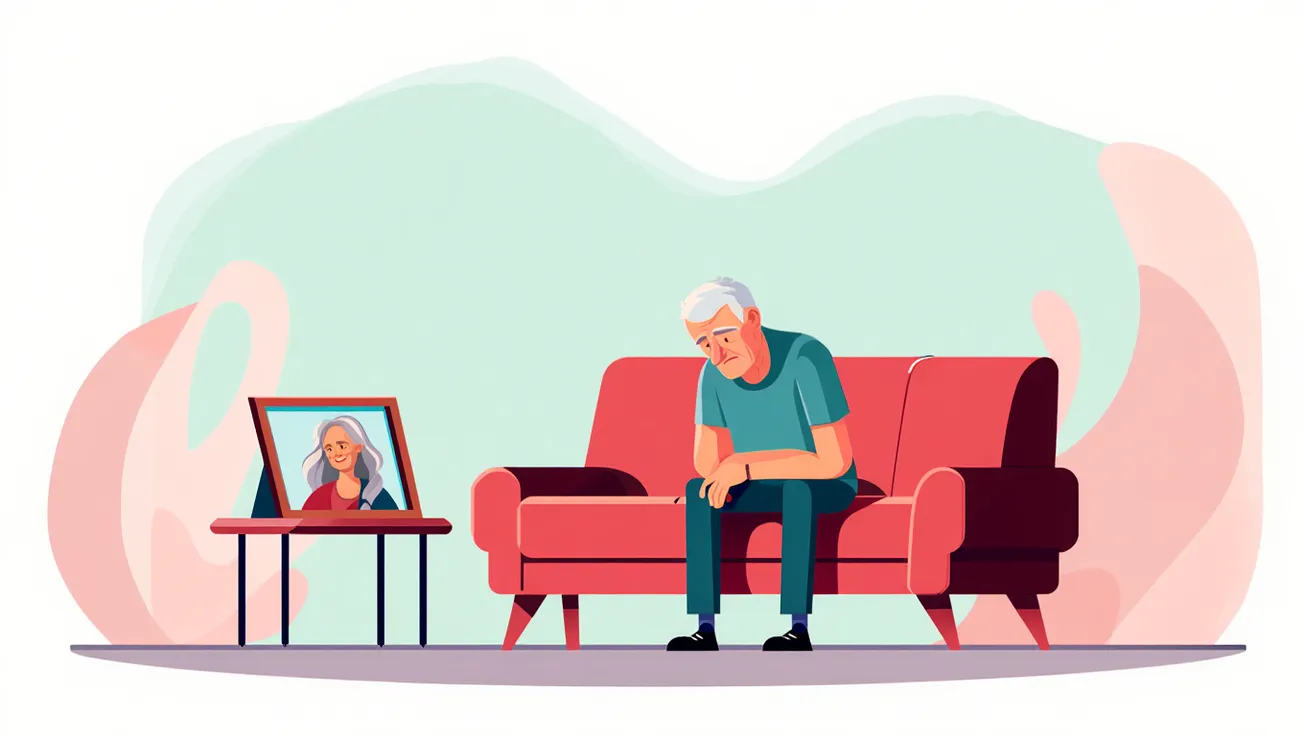
- Experts stress: You don’t “get over” grief — you grow around it.
When Christy Denckla lost her father as a child, she didn’t yet know that pain would someday shape her career. Now, as a Harvard T.H. Chan School of Public Health psychologist and director of the Population Wellness Lab, she studies how humans heal after heartbreak.
Her advice is simple but not easy: Don’t run from grief. “Sitting with the feelings that come,” she told the Living Spree podcast, “is the best way to navigate the difficult reality of loss.”
Denckla says it’s natural to want to push away painful memories or fill silence with distractions, but that strategy backfires. Suppressed emotions often resurface as physical symptoms — insomnia, fatigue, even chronic inflammation — which the American Psychological Association confirms can intensify if loss is left unprocessed (APA).
Why avoidance makes grief worse
According to Mayo Clinic psychologists, avoiding grief doesn’t make it smaller; it just delays healing. Emotional avoidance can trigger anxiety, rumination, and guilt — feelings that isolate us further.
Instead, experts recommend letting yourself cry, talk, write, or pray — whatever gives the pain language.
Talking before the loss
One of Denckla’s most striking points came from her research on anticipatory grief — the emotional pain that begins before a loss.
Her studies show that talking about hard topics early, such as advance care directives or funeral wishes, actually lessens the trauma afterward.
“People who communicate more openly before a death tend to experience fewer regrets,” she told Harvard’s newsroom.
The National Institute on Aging echoes that sentiment: discussions about end-of-life care can strengthen family trust and prevent confusion during crises.
 Smart Senior Daily Staff
Connection is medicine
Denckla stresses the healing power of social support — not just formal therapy, but ordinary connection.
“Withdrawal can be a part of healing,” she said, “but so is learning to re-engage.”
Whether it’s joining a faith community, volunteering, or meeting a friend for coffee, social ties buffer the brain against the long-term effects of grief. Studies published in Psychological Science show that belonging and empathy literally rewire neural pathways linked to resilience.
Even digital connections can help. A 2024 Pew Research Center report found that adults over 60 who text or video-chat regularly with friends experience 30% lower rates of loneliness.
Healthy ways to move forward
- Name what you’re feeling. Labeling emotions helps the brain calm down.
- Seek structured support. Hospice bereavement groups, church circles, or online programs like GriefShare offer safe spaces.
- Mind the basics. Sleep, hydration, and nutrition affect mood chemistry.
- Honor your loved one. Rituals — planting a tree, cooking a favorite meal — create continuity and meaning.
- Know when to seek help. Persistent numbness, hopelessness, or suicidal thoughts may signal prolonged grief disorder, now recognized by the DSM-5-TR and treatable through therapy.
Grief, Denckla reminds us, is not a linear process but a lifelong relationship.
“You don’t get over loss,” she said. “You grow around it.”
Sources:
- Harvard T.H. Chan School of Public Health – Living Spree podcast
- American Psychological Association: Coping with Grief
- Mayo Clinic: Grief — Coping with reminders after a loss
- National Institute on Aging: End-of-Life Care
- Pew Research Center: Older Adults & Digital Connection (2024)
Health Disclaimer: This article is for informational purposes only and is not a substitute for professional medical or psychological advice. If you are struggling with grief or mental health challenges, consult a licensed therapist or contact the 988 Suicide and Crisis Lifeline (U.S.).