The One Important Takeaway
- Seniors can play a powerful role as “stabilizers” in family gatherings.
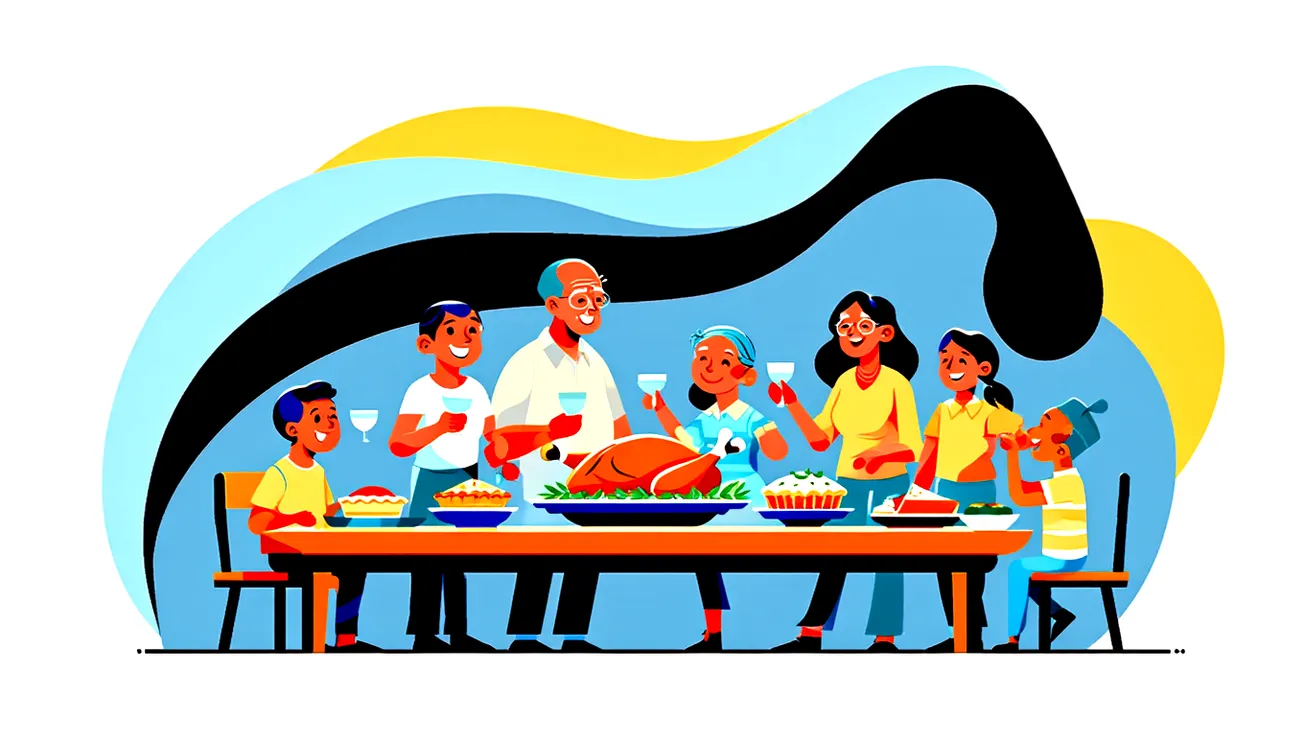
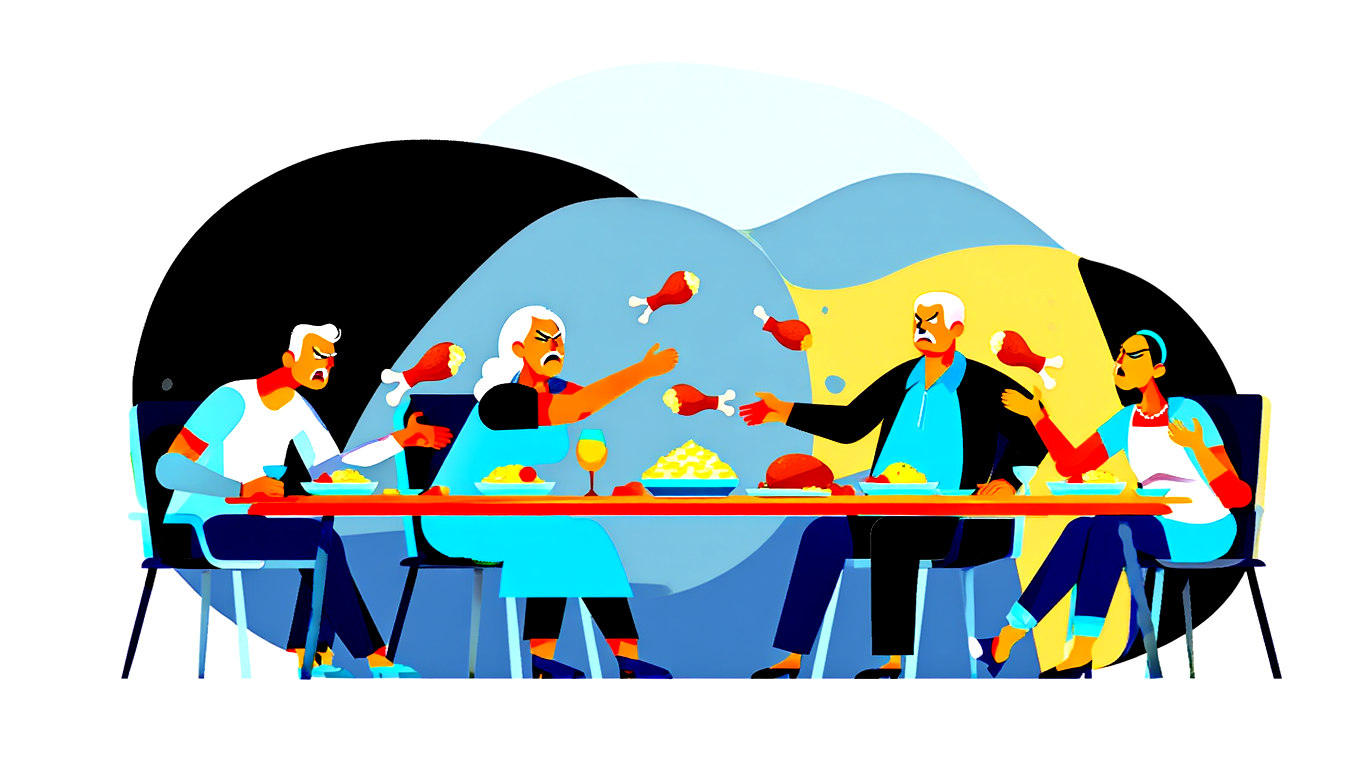
Even gratitude can lose its shine when the holidays pile on the pressure. And according to Jessica Troilo, associate professor and associate dean for research at West Virginia University’s College of Applied Human Sciences, Thanksgiving conflict rarely starts with the turkey — it starts weeks before anyone sits down.
Troilo explains that many people spend November anticipating uncomfortable conversations. “We sometimes rehearse arguments in our heads,” she says, which means we arrive already stressed, defensive, and primed to react. Add travel, crowds, and disrupted routines — especially tough for older adults — and patience can evaporate before the first guest arrives.
Another shot, another bourbon, another beer? Another blow-up waiting to happen.
Alcohol can make things worse. With lowered inhibitions, comments that might normally stay tucked away can slip out. And while politics gets most of the blame, Troilo notes that differences around parenting, money, religion, or life choices can trigger conflict just as easily. The real issue: people feeling disrespected or dismissed.
Another underappreciated stressor is the way family roles snap back into place. Seniors, especially, know what it feels like to be seen as “the responsible one,” “the peacekeeper,” or “the one who always hosts” — even if that was decades ago. Old dynamics plus old grievances can make a holiday table feel like a pressure cooker.
But Troilo says there are reliable ways to lower the temperature.
Keep Thanksgiving Peaceful: Expert-Backed Strategies
Be Realistic
Picture-perfect holidays are for movies, not real kitchens. Give your family permission to be imperfect — burnt rolls, mismatched chairs, barking dog and all. Seniors often set the emotional tone, and embracing imperfection early helps everyone exhale.
Know Your Triggers
Troilo recommends noticing your early stress signals: tight chest, faster breathing, tense shoulders, a stomach knot. Have a plan ready — take a walk, breathe slowly, step outside to “check the grill,” or redirect the conversation toward food, kids, or shared memories.
Set Simple, Polite Boundaries
Practiced phrases keep things calm:
- “I’d rather not get into that today.”
- “Let’s change the subject.”
- “Can we save that for another time?”
Deliver it with a smile, then pivot.
Host With Intention
If you’re hosting, you control the rhythm:
- Pair guests strategically (don’t seat the two most opinionated people together).
- Start the meal with a quick gratitude round.
- Suggest a group walk after dessert.
- Put out a puzzle, a card game, or a photo album to give people something shared to do.
Busy hands make quiet mouths.
A Few Extra Tips Just for Seniors
Offer a “calming presence” job: Many families naturally look to older relatives when things get tense. You don’t have to fix anything, but a gentle redirect — “Hey, come help me in the kitchen for a second” — can de-escalate almost anything.
Create a no-politics bubble: You can announce it warmly: “Friends, we have 364 days a year for politics. Today, let’s focus on pie.”
Plan your energy: If long gatherings drain you, set an arrival and exit time. Being well-rested does more to prevent conflict than most people realize.
Watch the alcohol: A single glass may be fine, but if you’re prone to heartburn, dizziness, or medication interactions, this is the year to keep your head clear.
Have a safe haven: A quick retreat — a bedroom, porch, or quiet corner — is a lifesaver if emotions spike.
The Bottom Line
Holiday tension is normal. But with a few intentional choices, Thanksgiving can be less about stress and more about stories, laughter, and the people who matter most. As Troilo puts it: imperfection is part of the holiday — and sometimes, it’s the best part.