The Takeaway
- Mark Manson treats loneliness as both quantity (how often we connect) and quality (how close those connections feel).
- He argues that online contact is a weak substitute for real affiliation — especially for people living alone.
- Group activities beat “coffee with one friend” for easing isolation, particularly for older adults.
- Helping others flips the script: giving builds belonging.
- Learning to value solitude (not the same as loneliness) is a skill that grows with age.
If you’ve read Mark Manson, you know the drill: clear-eyed, a little salty, and allergic to platitudes. In two widely read essays — “You Are (Not) Alone” and “How to Overcome Loneliness” — he argues that loneliness sits under a lot of today’s social and mental-health trouble, yet we still talk around it.
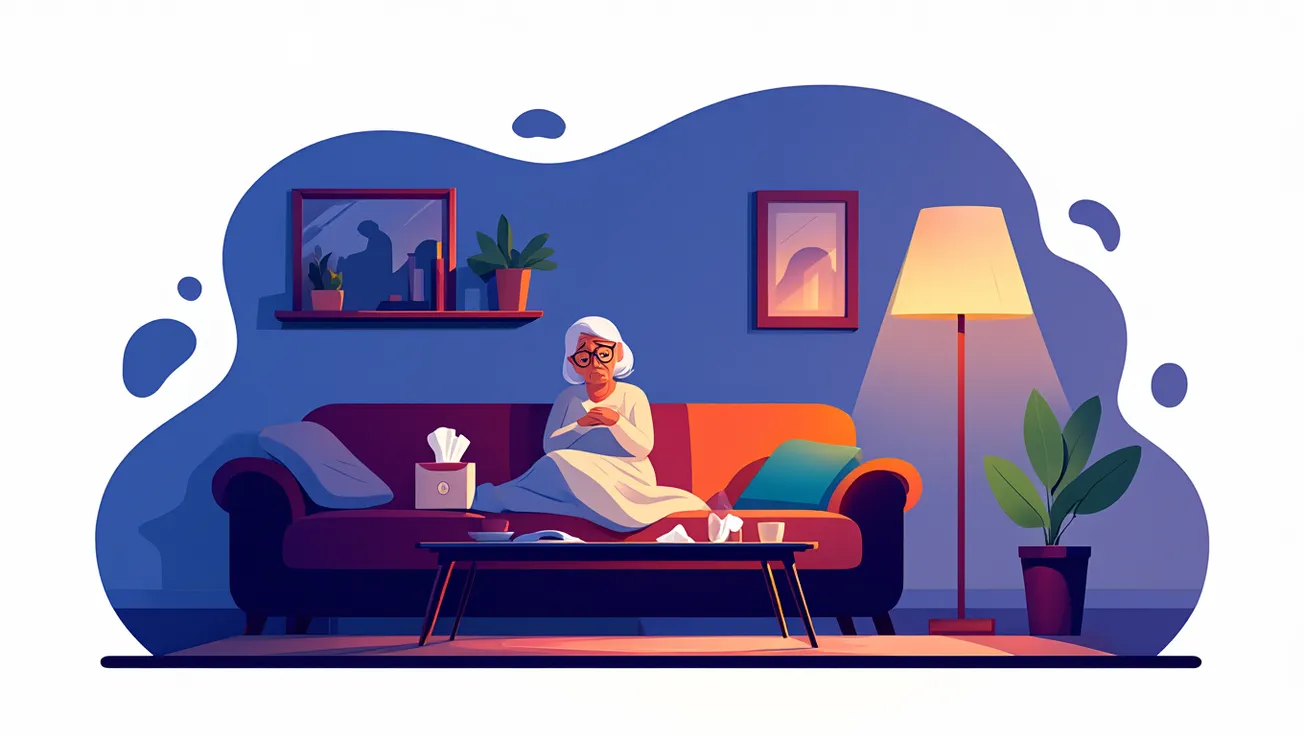
For seniors, his framing lands with a thud of truth – a truth you may have come face to face with during Covid. Many of us live alone, our old circles have thinned, and “touch base on Facebook” rarely fills the hole. Manson’s core idea is simple and useful: loneliness isn’t just about how many people you see — it’s whether you feel seen when you see them.
What Manson says (and why it matters after 60)
- Loneliness is common — and harmful. Manson highlights how widespread it is and connects it to worse mental and physical health. He’s skeptical of “15 cigarettes a day”-style stats, but his point stands: isolation wears people down. See his overview in “You Are (Not) Alone.”
- Quantity and quality. It’s not enough to bump into neighbors; trust and intimacy matter. Seniors who only get transactional interactions (pharmacy, checkout lane, doctor’s office) can still feel empty. That’s the “quality” gap he keeps returning to.
- Digital is diet soda. Manson’s line: social media “tastes” like connection but lacks “emotional calories.” For older adults, video calls and group texts can support bonds, but they rarely start them. The fix lives offline more than online. He develops this in both pieces.
- Groups beat one-on-one. This is the most actionable bit for seniors. He notes that group belonging works better than sprinkling in occasional coffee dates. A class, a club, a chorus, a walking crew — anything that meets regularly and does a thing together — creates momentum. See his “join groups” guidance in “How to Overcome Loneliness.”
- Giving = belonging. Approaching conversations with “What can I give this person?” often deepens relationships faster than “What can I get?” That mindset shift is tailor-made for older adults, who bring experience, patience, and perspective to the table. Again, outlined in his “support others” section in the same essay.
- Solitude is not the enemy. Manson separates loneliness from solitude. Many older people report more comfort with being alone than younger cohorts — not because they’re isolated, but because they’ve learned to enjoy their own company. That skill can make the difference between an empty day and a peaceful one.
Turning his ideas into senior-friendly steps
1) Pick a group with verbs, not chairs.
Manson emphasizes activity. For seniors, that could mean water aerobics, a library book club, church choir, tai chi in the park, a neighborhood garden crew, or a community theater front-of-house shift. Weekly structure keeps you in the flow; the task gives you something to talk about besides small talk.
2) Put “give” on your calendar.
Volunteer where others reliably show up: food pantry restocking, hospital greeter, museum docent, elementary reading buddy. “How can I make them feel good today?” is Manson’s shortcut to stronger ties — and it’s a superpower many older adults already possess.
3) Upgrade your social skills (yes, at 70).
He’s blunt: showing up is not enough. Practice openings (“What brought you here?” beats “How are you?”), share one personal detail, and ask one follow-up question. That turns acquaintances into allies.
4) Keep online in its lane.
Use texts and Facebook to coordinate real life: confirm Tuesday’s class, share photos from Friday’s potluck, arrange rides. Don’t expect the feed to replace the feeling.
5) Build a “comfort with solitude” routine.
Borrow Manson’s reframing: you can be alone without being lonely. Pair solo time with restorative habits — morning walks, instruments, puzzles, journaling, mindful coffee on the porch — so the quiet nourishes you instead of gnawing at you.
Where his take challenges the usual “senior loneliness” story
A lot of coverage paints older adults as passive recipients of visits and services. Manson flips that. He places the lever with us: seek groups, learn skills, give first, curate solitude. That’s more empowering than “wait for someone to knock.” It also mirrors what actually works in later life — routine, purpose, reciprocity, and community.
About Mark Manson
Mark Manson writes what he calls “self-help for people who hate self-help.” He’s the three-time #1 New York Times bestselling author of The Subtle Art of Not Giving a Fck* and other titles that have sold nearly 20 million copies worldwide. His work has been translated into more than 65 languages, featured in outlets from Time and The Guardian to the New York Times, and even inspired a Universal Pictures documentary film in 2023.
Manson’s style is blunt but practical. He argues that:
- Pain is inevitable — what matters is choosing meaningful struggle.
- Positive thinking is overrated — negative emotions can teach us.
- Growth comes from accepting our flaws and limitations, not pretending they don’t exist.
His mix of honesty, irreverence, and actionable ideas has made him one of the most influential voices in modern personal development. You can find his weekly newsletter, Your Next Breakthrough, at markmanson.net.
Disclaimer: This article is for informational purposes only and does not constitute medical, psychological, or legal advice. If loneliness is affecting your health or safety, talk with a licensed professional or call your local health provider or emergency services.