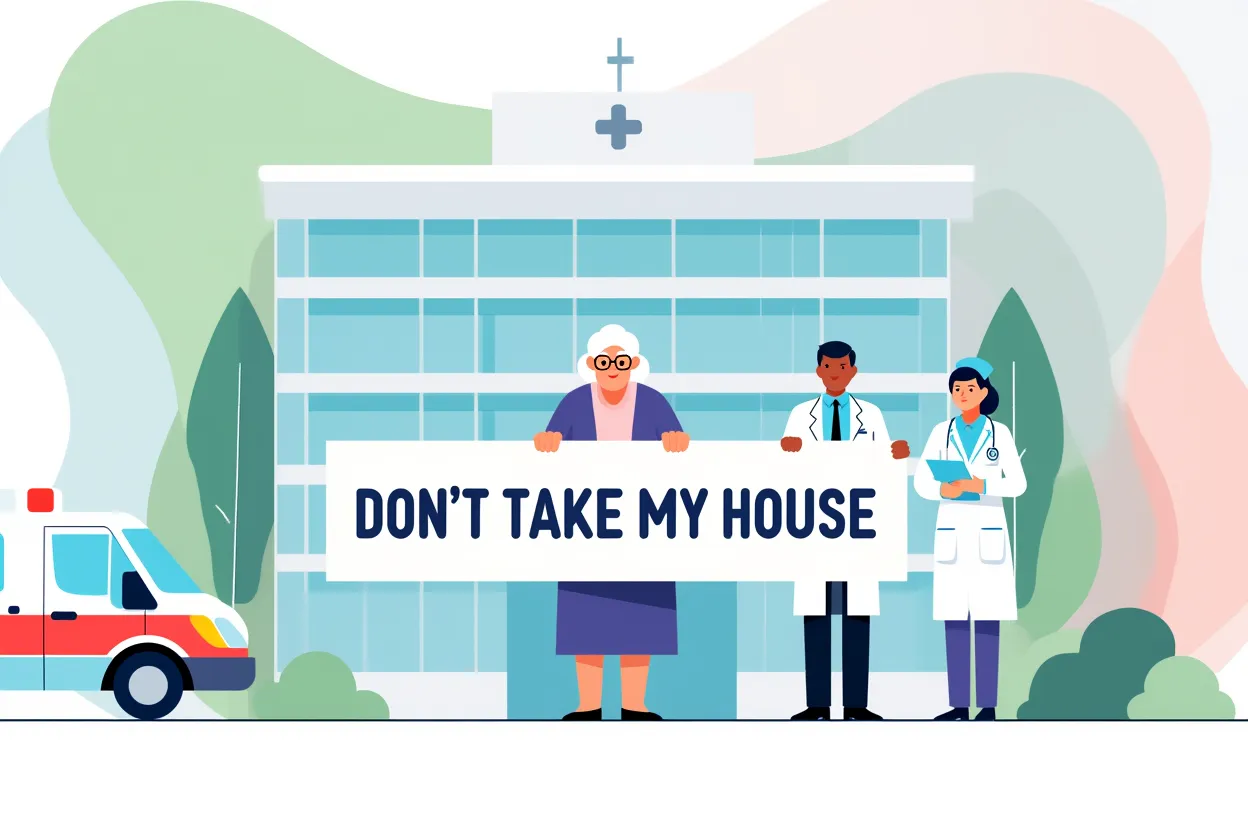
A new study shows how one hospital bill can put your home at risk
If you don't read anything else, know this...
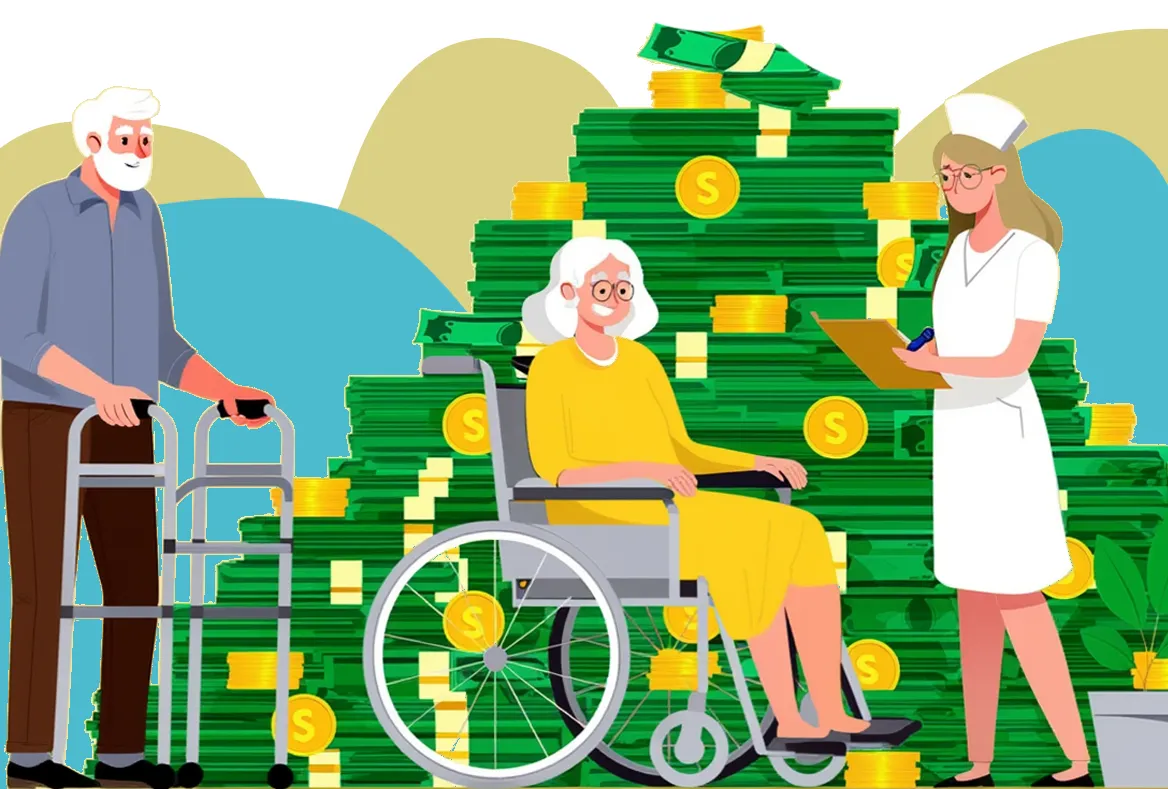
Medical debt is no longer just a billing problem. For many seniors, it’s a housing risk.
You don’t have to be behind on rent. You don’t have to be facing bankruptcy. And you don’t have to owe a huge amount. New national research shows that any medical debt can quietly raise the odds of housing trouble the following year — especially for people living on fixed incomes with limited savings.
That’s what makes this so dangerous after retirement. Medical bills often arrive when income can’t increase and savings are doing all the heavy lifting. Once those savings start to drain, housing stability can slip faster than most seniors expect.
What the study found — and why seniors should care
Researchers writing in JAMA Network Open found that medical debt increased the risk of housing instability — including trouble paying rent or a mortgage, eviction, or foreclosure — by 7 percentage points in the following year.
Seniors were less likely than younger adults to report medical debt. But when they did, the fallout was steeper. Older adults with medical debt were far more likely to have very low savings, fixed income, and home equity without much cash on hand.
That combination makes medical debt more destabilizing after retirement. Younger adults can sometimes work more or rebuild savings. Seniors usually can’t.
 Smart Senior Daily Staff
The real risk isn’t the bill — it’s what follows
Medical debt often escalates beyond the original charge. Hospitals and collection agencies may report debt to credit bureaus, file lawsuits, garnish wages, or place liens on property. Seniors who own homes outright can be especially vulnerable to liens — even over relatively modest amounts.
Once legal action starts, costs and pressure pile up quickly.
How seniors can protect themselves — before collectors escalate
If you have medical bills now
- Ask for an itemized bill and dispute errors
- Apply for the hospital’s financial assistance program, even if you think you won’t qualify
- Request a hardship payment plan before the bill goes to collections
If medical debt is already in collections
- Ask if the provider will recall the debt
- Negotiate settlements in writing
- Avoid rolling medical debt into credit cards or home-secured loans
To protect your housing
- Learn your state’s homestead exemption
- Watch for liens or court notices
- Contact senior legal aid early, not after a judgment is filed
 Gary P Guthrie
Bottom line
Medical debt doesn’t have to be massive to be dangerous. For seniors with fixed income and limited savings, one unpaid medical bill can quietly put housing at risk — unless it’s addressed early and strategically.
Disclaimer: This article is for informational purposes only and does not constitute legal, financial, or medical advice. Seniors facing medical debt or housing concerns should consult a qualified legal aid organization, financial counselor, or healthcare billing advocate for guidance specific to their situation