
- A new CMS pilot allows limited hemp-derived products in certain programs
- These products are low-THC — 0.3% or less — and tightly restricted
- This is not dispensary cannabis and won’t get you “high”
- Access is limited and won’t apply to most seniors, at least for now
If you’ve seen headlines suggesting Medicare is about to start paying for cannabis, take a breath. Put your Bic lighter back on the table for a second and read what's really happening.
What the Centers for Medicare & Medicaid Services (CMS) actually rolled out is a very narrow pilot program. However, it has more guardrails than a NASCAR track.
Under what CMS calls a Beneficiary Engagement Incentive (BEI), participating organizations in three specific CMS Innovation Center models — ACO REACH, the Enhancing Oncology Model (EOM), and the Long-term Enhanced ACO Design (LEAD) Model — can offer limited hemp-derived products to select patients to help with symptom control.
But here’s the part that matters: this is not medical marijuana as most people understand it.
The Big Bambu misconception: "Is this dispensary-grade cannabis?"
No.
You cannot use this program to get traditional medical cannabis with meaningful THC levels.
CMS defines “eligible hemp products” very tightly:
✔ Contains 0.3% delta-9 THC or less
✔ No more than 3 mg of THC per serving
✔ Cannot be smoked or vaped (non-inhalable only)
✔ Must be provided directly by a participating healthcare provider
These are typically low-dose CBD products like oils, tinctures, or mild gummies—not the higher-THC cannabis products sold at dispensaries.
Translation for real life?
This is closer to what you might see:
- CBD oils
- Low-dose gummies
- Non-intoxicating formulations
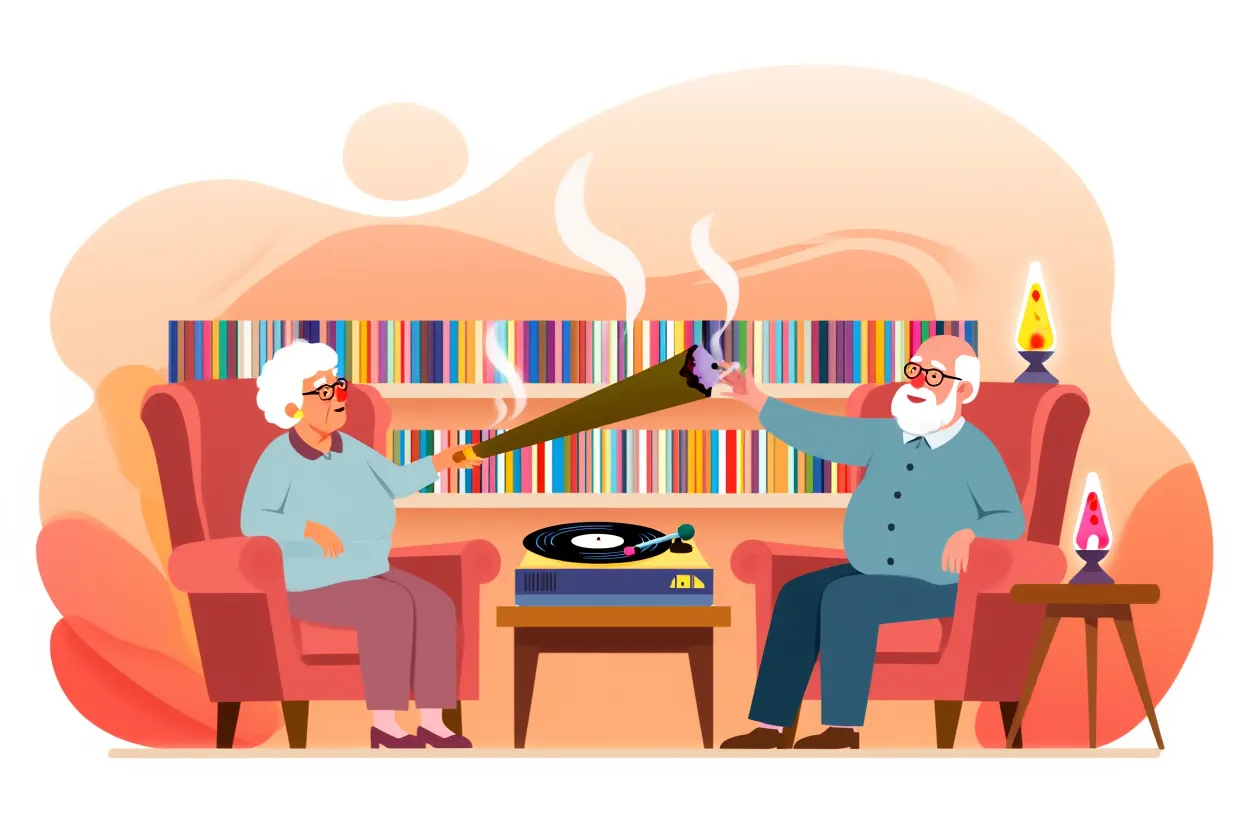
👉 It is not what you’d typically buy at a licensed cannabis dispensary for pain or sleep. And nowhere close to being at Cheech & Chong, Pink Floyd, or gallon of ice cream level.
And importantly:
👉 You don’t go buy it and get reimbursed. The provider supplies it directly—and Medicare itself doesn’t pay for the product.
And before any product changes hands, a physician must determine that use is appropriate and document a shared decision-making conversation that includes a review of current medications and potential interactions.
 Smart Senior Daily Staff
Q&A: What a cannabis expert wants Seniors to know
As Dr. Peter Grinspoon, M.D., a primary care physician and a board-certified addiction specialist at Massachusetts General Hospital and instructor at Harvard Medical School, told Smart Senior Daily, the upsides for medical cannabis are worth considering.
“Seniors are embracing medical cannabis more rapidly than any other demographic. They’re finding it useful for chronic pain, anxiety, insomnia, and other symptoms that often come with aging.”
Start low. Go slow. (this part matters)
Grinspoon says starting low and going slow is a must.
“Work with your doctor, begin at a very low dose, and increase gradually. Taking too much at once can be uncomfortable—and even dangerous.”
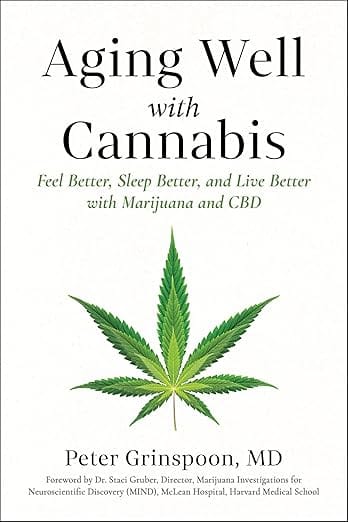
Grinspoon is author of the new book, “Aging Well with Cannabis, Feel Better, Sleep Better, and Live Better with Marijuana and CBD”
CBD vs. THC
“CBD is non-intoxicating and many people find it helpful for chronic pain, anxiety, and insomnia,” Grinspoon explains. “THC, on the other hand, can be intoxicating and has more side effects—but it can also make cannabis more effective for conditions like pain and sleep.”
👉 That’s why this CMS program leans heavily toward CBD-type, low-THC products—not traditional cannabis. Grinspoon notes that this pilot program “won’t have any immediate impact for most people.”
What to watch out for
Even outside this pilot, cannabis isn’t risk-free:
- Dizziness and balance issues (fall risk)
- Memory impairment
- Drug interactions (especially sedatives)
- Possible dependency
Many of these risks increase with THC, not CBD.
Cannabis can cause dizziness, balance issues, and temporary memory problems,” Grinspoon says, noting that it can also interact with other medications—especially sedatives.
Gary P Guthrie
Bottom line
This isn’t Medicare “covering weed.” It’s a limited pilot using low-THC hemp products in select medical settings.
Most seniors won’t have access—and it won’t replace dispensary cannabis.
But it does signal a cautious shift toward cannabis-derived care.


)