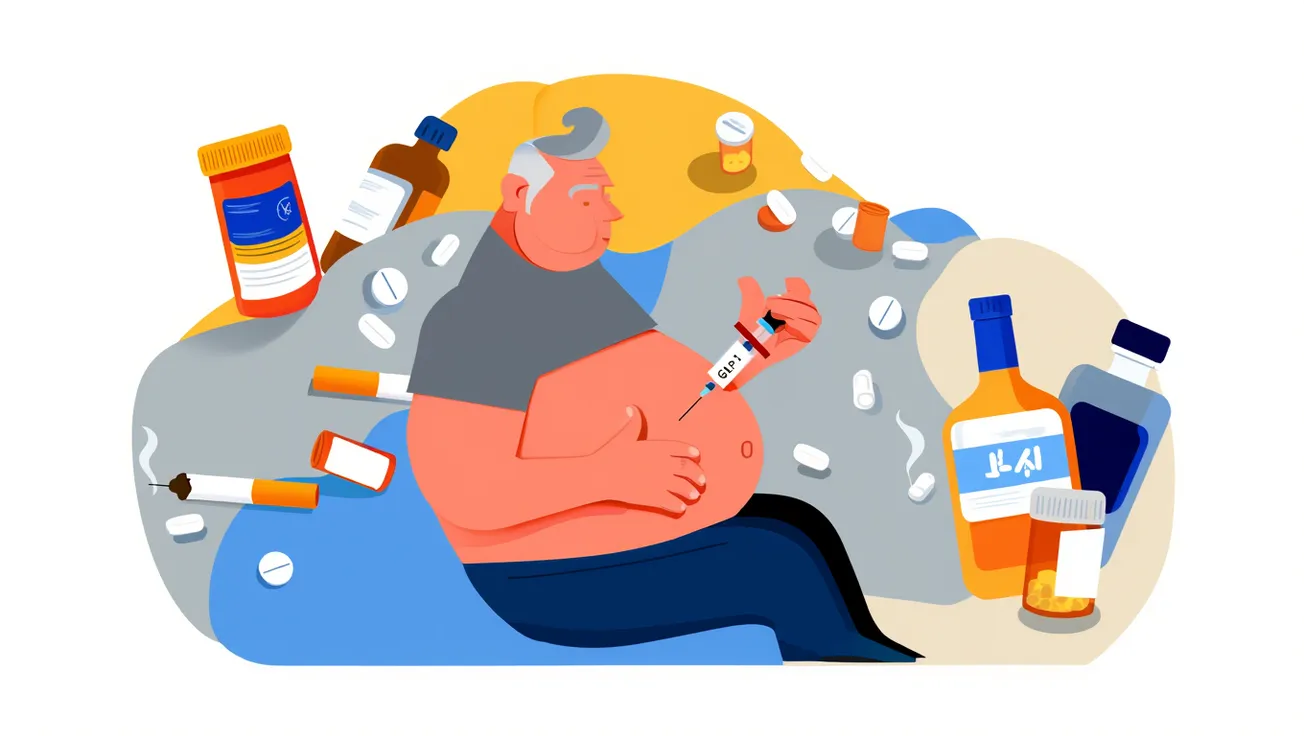
Drug shortages can feel abstract — until your regular prescription suddenly isn’t available.
The latest shortage report from the U.S. Food and Drug Administration includes more than 80 medications.
Many are hospital-only injectables, but several stand out because seniors may notice them directly when refilling prescriptions or managing chronic conditions.
Here’s what matters most for older adults.
Which shortages might you notice at the pharmacy?
These are medications seniors commonly use — and the ones most likely to cause frustration at the counter.
- Quinapril (and quinapril/HCTZ)
Used for high blood pressure and heart failure. This shortage has lingered, and some patients have already been switched to alternatives. - Albuterol nebulizer solution
A big one for seniors with COPD or asthma who rely on home nebulizers. Shortages can lead to substitutions or partial fills. - Liraglutide injection
Prescribed for type 2 diabetes (and sometimes weight management). Interruptions can be especially disruptive for blood sugar control. - Clonazepam and flurazepam
These benzodiazepines are used for anxiety or sleep. While often discouraged in older adults, many seniors still take them — and abrupt changes can be risky. - Desmopressin nasal spray
Commonly prescribed for nighttime urination (nocturia), a frequent quality-of-life issue for older adults. - Naltrexone tablets
Used to treat alcohol use disorder and sometimes opioid use disorder. Seniors are often overlooked in addiction care, but access matters here too.
If your pharmacy says a drug is “on backorder,” this FDA list is often the reason.
 Gary P Guthrie
Shortages seniors may feel indirectly
Most of the remaining drugs on the list are injectables used in hospitals — pain medications, sedatives, heart drugs, IV fluids, and steroids.
You won’t pick these up at a retail pharmacy, but shortages can still affect you by:
- Delaying procedures
- Changing anesthesia or pain-control plans
- Extending ER or hospital stays
In other words, shortages don’t always look like an empty shelf — sometimes they look like slower care.
What seniors should do now
A few simple steps can reduce surprises:
- Ask your pharmacist if your medication has known supply issues.
- Request refills earlier than usual when possible.
- Don’t stop or ration medication on your own.
- If a switch is suggested, ask whether it’s temporary or long-term.
Most shortages have safe alternatives, but transitions work best when they’re planned — not rushed.
 Smart Senior Daily Staff
Disclaimer: This article is for informational purposes only and is not medical advice. Drug availability changes frequently. Always consult your pharmacist or healthcare provider before making changes to your medications or treatment plan.