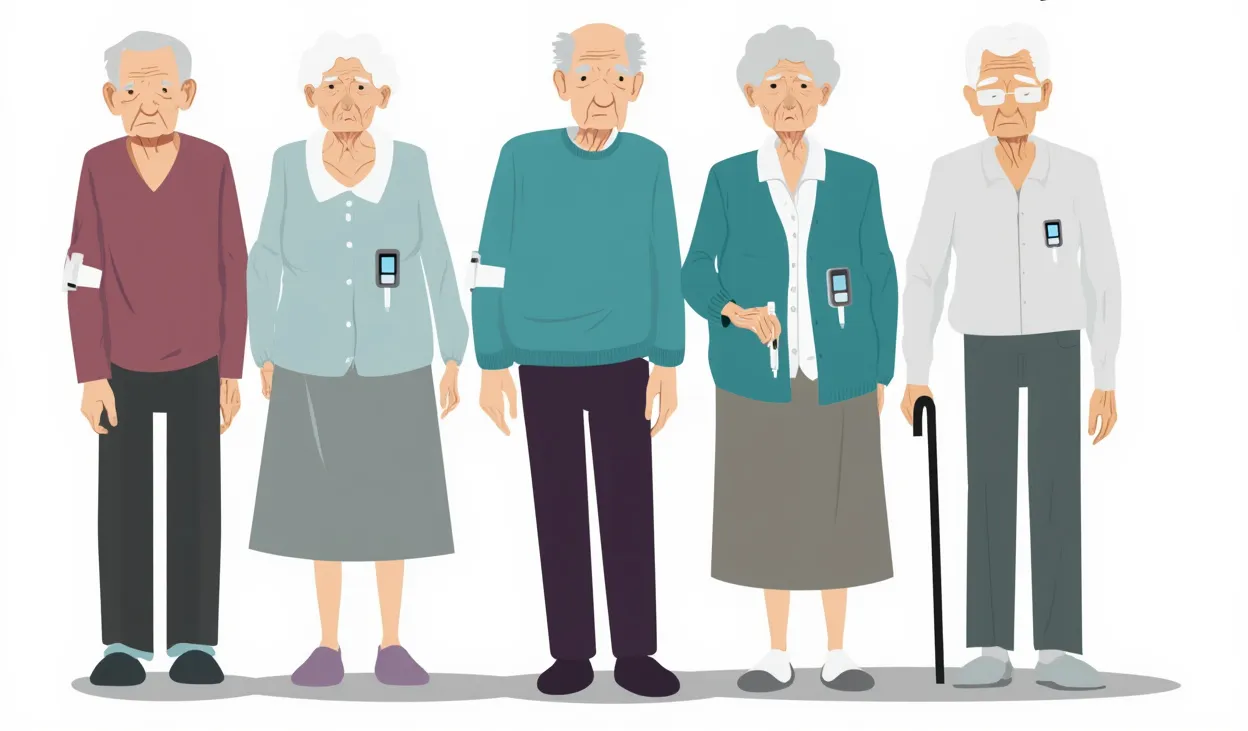
If you're 60+, have type 2 diabetes, and skinnier than tomorrow, two out of three ain't bad, but all three could spell trouble. Truth is – according to a new study – being underweight could be more dangerous than carrying a few extra pounds.
For decades, almost everything we've heard is the complete opposite, but now a Diabetology and Metabolic Syndrome study is flipping that assumption on its head.
The study took a hard look at more than 370,000 people and found that underweight seniors with diabetes with a sub-22 BMI were found to have a 10% higher risk of mortality when compared to people with a higher BMI.
Stop here, take a deep breath, and just let that sink in for a moment.
It's Not Fat — It's Muscle Loss
When older people lose weight, it tends to be muscle, not fat that they're getting rid of. The medical term is sarcopenia, and it's a serious problem.
And when there's less muscle a senior has, one serious risk is a greater possibility of falls – yessir, broken hips, hospitalizations, and a long, painful road back.
Add to that, this: low body weight in this age group often signals what researchers call metabolic wasting — a state where the body is basically running low on reserves. When that happens, even a routine infection or surgery can become a major crisis.
If you're a woman – especially a peri-menopausal and post-menopausal woman – that muscle mass loss adds on another pound or two of concern, suggests obesity medicine specialist Allison L. Rhodes, MD...
Don't Trust Your Scale
Here's where this conundrum gets tricky. You probably think that lower cholesterol levels are a good thing, but the study found that cholesterol can actually mask how sick someone really is and masks the true magnitude of mortality risk.
But, the "ifs" don't stop there.
The study determined that even normal-weight people can be in trouble if their body composition is off. Researchers called it normal-weight obesity — where the scale looks perfectly, but body fat is high and muscle mass is low. These individuals still face elevated risks for heart disease and other metabolic problems.
The takeaway? The number on the scale doesn't tell you everything.
What This Means for You
If you or someone you love is an older adult with type 2 diabetes, here are a few things worth keeping in mind:
- Unintentional weight loss is a red flag. If the pounds are coming off without trying, talk to your doctor sooner rather than later.
- Muscle matters more than you think. Resistance exercise — even light strength training — can make a real difference.
- Don't chase thinness. You may think you'd look great in a size 2, but don't focus on trying to as light as possible. Focus on staying strong and resilient.
- Get a nutritional assessment. Standard check-ups don't always catch early signs of malnutrition.
One quick note about getting a nutritional assessment – Medicare covers them! That makes it a smart – and free – move. Here's how to proceed with one:
How Medicare covers nutritional assessments
Medicare covers nutritional assessments (Medical Nutrition Therapy) for beneficiaries with diabetes, kidney disease, or who have had a kidney transplant in the last 3 years, provided a doctor orders it.
Services are provided by Registered Dietitians or specialized nutrition professionals. You can get these services at private practices, outpatient clinics, or via telehealth.
Where and How to Get Services:
- Request a Referral: Ask your primary care doctor, kidney specialist, or diabetes doctor for a referral to a dietitian.
- Find a Provider: Use the Medicare provider search tool to find a qualified dietitian in your area.
- Online/Telehealth Options: You can access registered dietitians for virtual sessions through platforms like Nourish or Health Loft.
- Preventive Visits: A nutrition risk assessment is available during your yearly Medicare "Wellness" visit. Medicare (.gov) +5
Medicare Coverage Details:
- Cost: $0 if you qualify and the provider accepts Medicare.
- Coverage Amount: Generally covers 3 hours of therapy in the first year and 2 hours in subsequent years.
The research is clear: for older adults with diabetes, staying at a healthy, moderate weight — not the lowest possible weight — is what supports a longer, healthier life.
 Smart Senior Daily Staff
Medical Disclaimer: The information in this article is for educational and informational purposes only and is not intended as medical advice. Always consult your physician or another qualified healthcare provider with any questions you may have regarding a medical condition, treatment, or medication. Never disregard professional medical advice or delay seeking it because of something you have read here.