The Takeaway
- The FDA is easing oversight of many wearable health and wellness devices.
- This mirrors what happened with OTC hearing aids.
- Products may look medical without meeting medical standards.
- Seniors face risks from false reassurance and unproven data.
- Popularity is not the same as proof.
As a devowed hearing aid wearer and curious skeptic about products that companies create to quote/unquote "make our lives better," the emergence of over-the-counter (OTC) hearing aids raised some questions when they first came out.
Despite the pitch that OTC hearing aids offered more access, lower prices, fewer hoops, the FDA (Food and Drug Administration) didn't seem to be all that concerned about the marketing these companies were doing. IMHO, the agency stepped back, deciding many hearing devices could be sold directly to consumers without the traditional medical gatekeeping.
For some seniors, OTC hearing aids worked. For many others, it didn’t.
Devices were bought online, adjusted without professional help, and quietly set aside when they failed to improve hearing. Worse, some people delayed seeing an audiologist, assuming the device should have been “good enough.” The cost wasn’t just financial — it was social isolation, frustration, and lost time.
Hello to a much larger space: wearable health/wellness tech
Now, that same philosophy is expanding into a much larger space: wearable health and wellness technology – a place that has the potential to be a "new lifeline" for seniors.
 Smart Senior Daily Staff
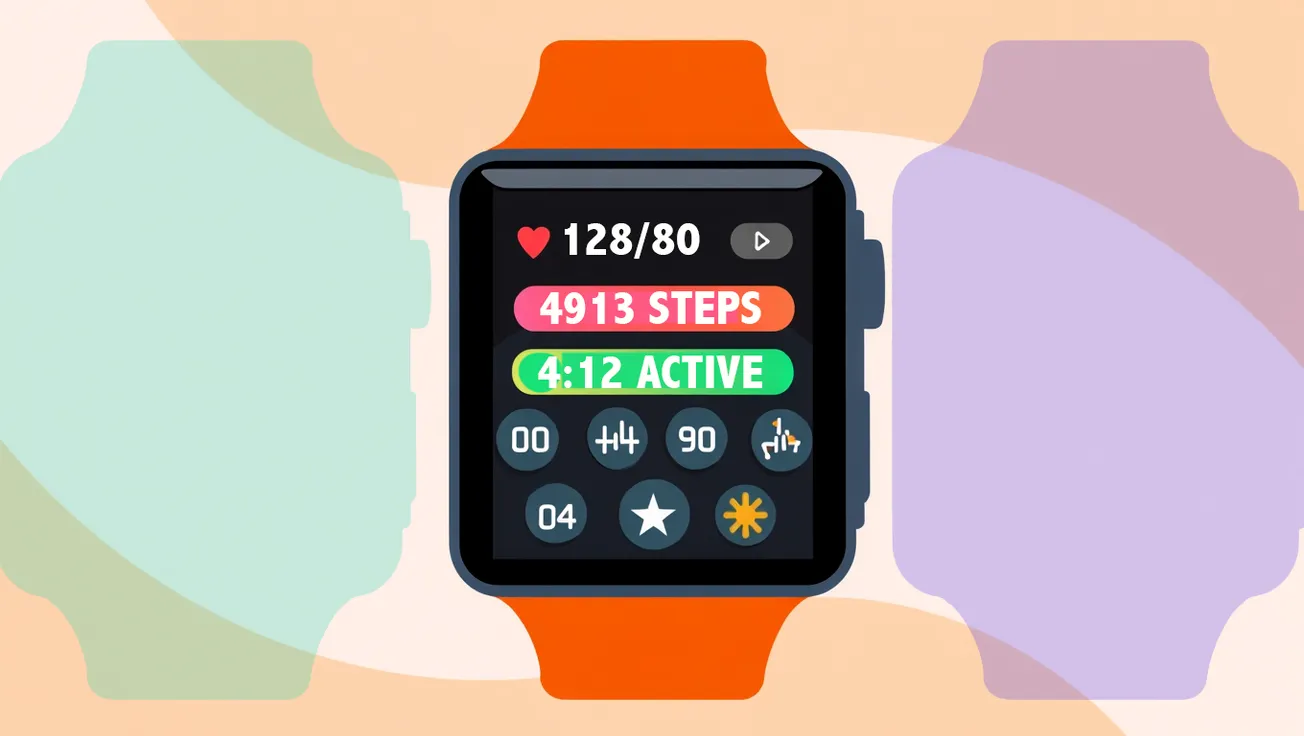
In early January, the FDA issued guidance saying it would limit regulation of many wearable devices and software products designed for “general wellness.”
These tools may track things like blood pressure, oxygen saturation, heart rate, sleep patterns, or even blood glucose — but as long as they don’t claim to diagnose or treat a disease, they’re largely outside FDA medical-device oversight.
The logic echoes the hearing aid decision: faster access, more innovation, fewer regulatory hurdles.
But the risks also echo loudly.
“Looks impressive — but doesn’t have the science”
Brahmajee Nallamothu, an interventional cardiologist and co-director of the University of Michigan’s AI & Digital Health Initiative, says that popularity can easily outpace evidence.
“Digital health tools are everywhere now—watches, rings, apps—and some of them are making bold health claims,” Nallamothu said.
“With the FDA’s new approach, a lot of these tools may be treated more like general ‘wellness’ products, which means they can get to consumers faster but possibly with less scrutiny than traditional devices.”
He warns that while some wearables may help with day-to-day awareness, many haven’t yet proven they actually improve health outcomes.
“If we just assume they work because they’re popular and move on too quickly, we could end up relying on products that look impressive—but don’t have the science to back them up,” he said.
For seniors — many of whom already manage multiple conditions — that distinction matters.
Where seniors feel the pain
Wellness devices often present data in clean dashboards, graphs, and “scores.” That data feels authoritative, even when accuracy varies widely. A calm-looking sleep report or heart trend can create false reassurance, delaying a doctor visit when symptoms are subtle but important.
This is the same quiet harm seen with OTC hearing aids. The damage isn’t dramatic. It accumulates.
The “Hmm…” Triggers Seniors Should Watch For When Shopping for Wearable Tech
1. It looks medical, but the fine print says “wellness”
If the product:
- Shows charts, trends, alerts, or scores
- Uses words like monitor, detect, risk, or insight
- But quietly says “not intended to diagnose or treat”
That’s a classic regulatory dodge.
Hmm moment:
If it feels like a medical device but legally isn’t one, ask why.
2. It tracks serious health markers — without explaining accuracy
Some “general wellness” wearables now track:
- Blood oxygen (SpO₂)
- Heart rate variability
- Blood pressure trends
- Sleep stages
- Glucose patterns (not levels)
But many don’t clearly say:
- How accurate the data is
- When it’s unreliable
- What conditions can throw it off (age, meds, skin tone, movement)
Hmm moment:
If accuracy isn’t front and center, it probably isn’t strong.
3. The marketing promises reassurance
Watch for phrases like:
- “Peace of mind”
- “Know your body”
- “Stay ahead of health problems”
- “Early awareness”
Those are emotional promises — not medical ones.
Hmm moment:
Reassurance without evidence can delay real care.
4. There’s no clear “what this can’t do” section
Good medical tools are blunt about limits.
Be cautious if you don’t see:
- Clear disclaimers about false positives and false negatives
- Situations where data may be wrong
- Guidance on when to ignore readings and call a doctor
Hmm moment:
If a product never admits weakness, that’s a weakness.
5. It substitutes dashboards for conversations
If the pitch encourages you to:
- “Track instead of test”
- “Watch trends instead of seeing a doctor”
- “Bring your data instead of your symptoms”
That’s a red flag — especially for seniors whose symptoms may already be dismissed.
Hmm moment:
Technology should support your voice, not replace it.
6. It assumes one-size-fits-all aging
Many wearables are tested primarily on:
- Younger users
- Healthier populations
- Short-term studies
They often don’t account well for:
- Multiple chronic conditions
- Medications
- Slower recovery
- Mobility changes
Hmm moment:
If it wasn’t designed with seniors in mind, it may misread seniors’ bodies.
7. The return policy is vague or restrictive
This matters more than people think.
OTC hearing aids taught seniors this lesson the hard way:
- If it doesn’t work for you, you may be stuck
- “Opened” or “used” devices may not be returnable
- Subscription data plans may auto-renew
Hmm moment:
If returning it is hard, the risk is yours.
8. Doctors don’t really use it — but marketing says they do
Some products imply:
- “Doctor-friendly reports”
- “Clinician-ready insights”
- “Share with your care team”
But ask:
- Is this actually used in clinical care?
- Or just tolerated when patients bring it in?
Hmm moment:
If doctors nod politely but don’t rely on it, don’t rely on it either.
9. Privacy rules feel loose
Because many wearables are not medical devices:
- HIPAA often doesn’t apply
- Data may be sold or shared
- Health patterns may be used for marketing
Hmm moment:
If your health data is treated like fitness data, that’s a risk — not a perk.
10. “FDA” is mentioned — but not clearly
Look closely at how the Food and Drug Administration is referenced.
- “FDA registered” ≠ FDA approved
- “FDA compliant” can be meaningless
- “Not reviewed by the FDA” is often buried
Hmm moment:
If FDA language feels fuzzy, it probably is.
The senior-safe gut check
Here’s a simple rule seniors can use:
If this device were wrong, who pays the price?
If the answer is:
- You miss a warning sign
- You delay care
- You doubt your own symptoms
That’s not empowerment.
That’s risk transfer.
Drawing a clearer line — on paper
Cathy Goldstein, a neurologist at the Michigan Medicine Sleep Disorders Centers, says the FDA guidance formalizes what’s already been happening.
“The new FDA guidance explicitly puts into writing what has been taking place in the market,” Goldstein said. “Wearable devices that provide tracking of physiological parameters but do not claim to screen for, diagnose, or monitor medical conditions do not have FDA clearance.”
She notes that some features still require oversight. For example, Apple Watch’s sleep apnea risk detection required FDA clearance because it assesses a medical condition.
Goldstein sees progress in one key area: validation. “If a wearable output mimics a clinically used value, it must be validated compared to a gold standard,” she said.
But that validation requirement doesn’t apply across the board — only when devices cross into medical territory.
The sequel seniors didn’t ask for
The hearing aid lesson was clear: when regulators step back, seniors become the quality-control department.
This new wellness guidance expands that burden to sleep, heart health, activity, and more. Seniors aren’t being warned away from innovation — but they are being quietly asked to judge which tools deserve trust.
Just like before, the cost of guessing wrong may not show up right away.
Disclaimer: This article is for informational purposes only and does not provide medical advice. Seniors should consult qualified health professionals before relying on any wearable device or app for health-related decisions.