Some people swear by St. John’s wort for mood.
Others take ginkgo biloba hoping to help memory or circulation.
Many reach for ginseng to boost energy.
And then there are the “responsible” supplements — calcium and vitamin D — taken to protect bones, prevent fractures, and stay upright longer.
Here’s the problem the NIH keeps circling back to:
Supplements don’t live in isolation. And bodies over 60 don’t respond the way they used to.
 Smart Senior Daily Staff
Why health experts urge caution — not panic
Across NIH-backed resources like MedlinePlus, the Office of Dietary Supplements (ODS), and the National Center for Complementary and Integrative Health (NCCIH), the concern isn’t that supplements are useless.
It’s that:
- they interact with medications,
- some build up in the body, and
- higher doses don’t always mean better outcomes.
That’s especially true for older adults juggling multiple prescriptions — a situation NIH researchers call polypharmacy.
When “natural” supplements come with tradeoffs
St. John’s wort — “for mood”
People often take it hoping for a gentler antidepressant effect.
NIH fact sheets warn that St. John’s wort can reduce the effectiveness of antidepressants, blood thinners, heart medications, transplant drugs, and some cancer treatments.
- Upside: mood support for some
- Downside: broad drug interference
Ginkgo biloba — “for memory and circulation”
Ginkgo is widely marketed for brain health and blood flow.
NIH-linked sources warn it can increase bleeding risk, especially when combined with aspirin, warfarin, or newer blood thinners — medications many seniors already take.
- Upside: possible circulation effects
- Downside: increased bleeding risk
 Gary P Guthrie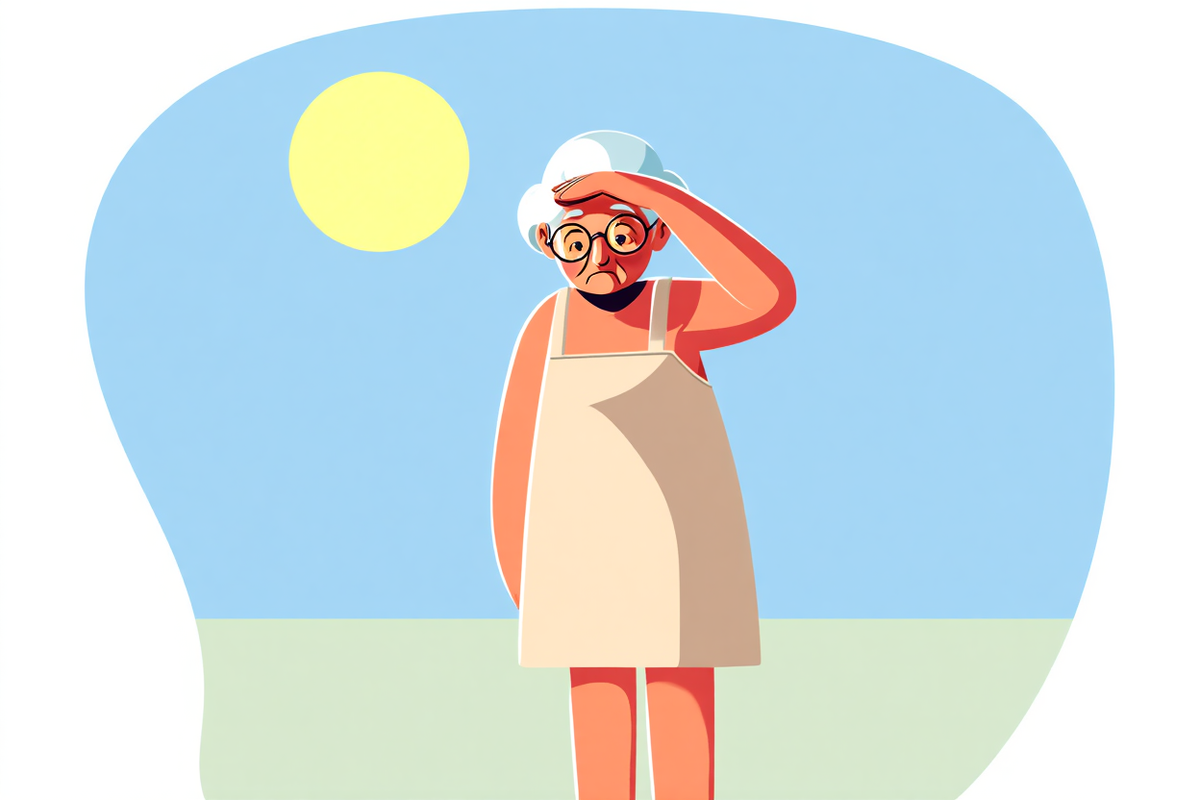
Calcium & vitamin D: necessary — but not unlimited
This is where the conversation around supplements gets more nuanced — and more important for seniors.
According to Bess Dawson-Hughes, MD, a senior scientist at the Jean Mayer USDA Human Nutrition Research Center on Aging at Tufts University, bone loss accelerates as we age, especially for women during and after menopause.
“As we enter our 50s, it’s time to reassess our intake of calcium, which helps mitigate bone loss, and vitamin D, which helps us absorb calcium,” Dawson-Hughes explains.
Women can lose about 3% of their bone mass each year during the menopause transition, and continue losing bone at roughly 1% per year afterward as estrogen levels decline. Men aren’t immune either. Starting around age 50, men lose bone at a steady rate of about 1% per year.
This bone loss weakens the skeleton and raises fracture risk — especially hip fractures, which become far more common as people move from their 70s into their 80s.
When “more” starts working against you
Calcium and vitamin D matter — but piling on higher doses doesn’t keep improving outcomes.
“But more and more calcium and vitamin D is not better and better, particularly in older people,” Dawson-Hughes cautions. “If your calcium intake gets too high, you’re set up for kidney stones.”
Vitamin D follows a similar pattern.
Clinical trials show that vitamin D supplements can reduce falls in people who are deficient. But as doses rise, the benefits level off — and then reverse.
In fact, older adults with high blood levels of vitamin D have been found to face an increased risk of falls and fractures, not a lower one.
That finding aligns with broader NIH guidance warning that fat-soluble vitamins and supplements affecting muscle strength or balance can become counterproductive when taken in excess.
 Smart Senior Daily Staff
What experts actually recommend
According to the Food and Nutrition Board of the National Academies of Sciences, Engineering, and Medicine:
Daily calcium needs
- Women 51+: 1,200 mg
- Men 51–70: 1,000 mg
- Men 71+: 1,200 mg
Daily vitamin D
- Ages 51–70: 15 mcg (600 IU)
- Ages 71+: 20 mcg (800 IU)
Most Americans get calcium from dairy — milk, yogurt, cheese. If you’re not getting about two servings a day, a modest 500-mg calcium supplement may make sense. If you are, supplementation may not be necessary.
Vitamin D is different.
If you spend winters golfing in Florida and actually get sun exposure, you may not need supplements year-round. But in northern states, from October through March, skin doesn’t reliably produce vitamin D — making modest supplementation reasonable.
Source: Tufts University / National Academies
The real risk seniors face
The danger isn’t taking supplements.
The danger is assuming they’re harmless, interchangeable, or endlessly beneficial.
Vitamin A builds up.
Vitamin D plateaus.
Herbs interfere.
And “just in case” can quietly become “too much.”
The NIH and Tufts aren’t warning seniors away from supplements.
They’re warning them away from guesswork.