The Takeaway
- Shingles risk rises sharply after age 50
- The virus stays in your body for life after chickenpox
- Pain can last months — or even years
- The Shingrix vaccine reduces risk by more than 90%
- Medicare usually covers the vaccine
Most people don’t think about shingles until someone they know gets it.
And when they do, the story is rarely about “a rash.”
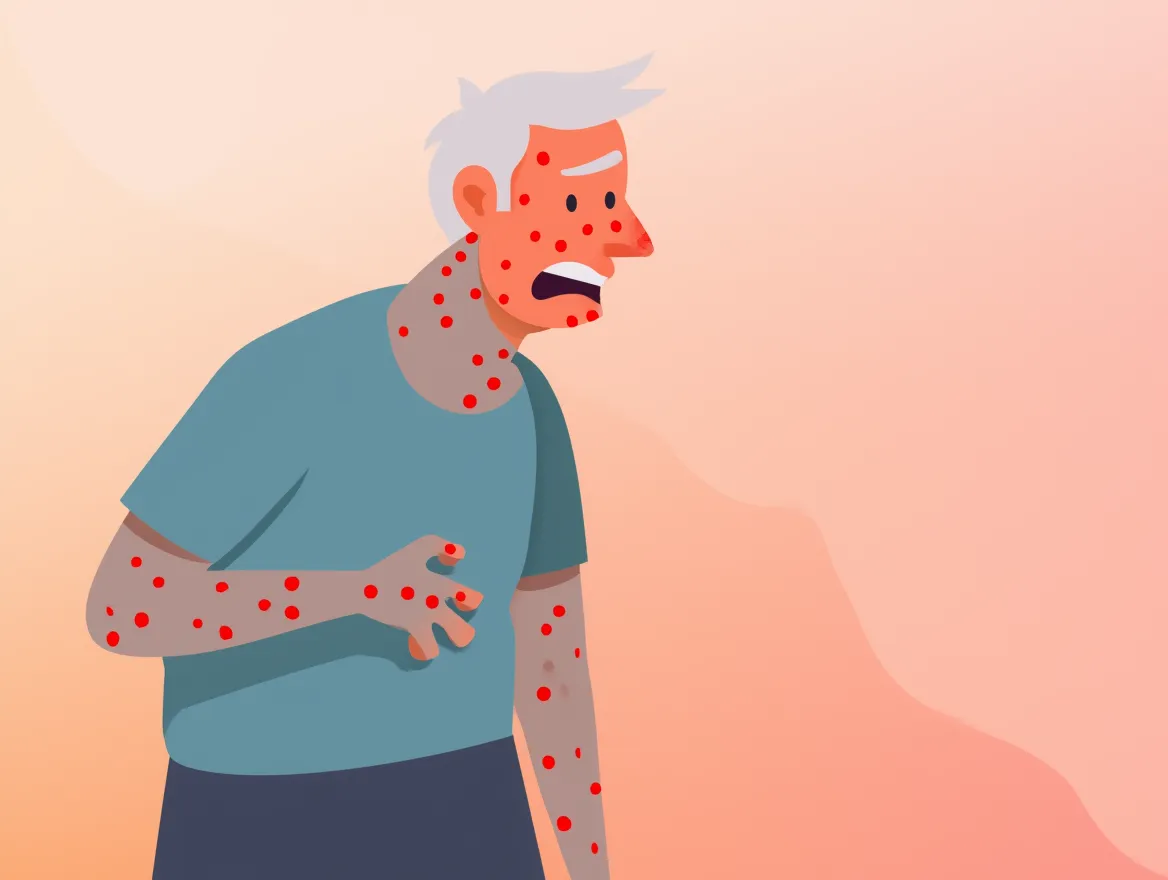
It’s about pain. Nasty pain. The kind that lingers. The kind that disrupts sleep. The kind that makes even a shirt brushing your skin feel unbearable.
According to the American Medical Association, shingles is caused by the same virus that causes chickenpox — the varicella-zoster virus. After you recover from chickenpox, the virus doesn’t leave. It hides in nerve tissue and can reactivate decades later.
That’s shingles.
The AMA recently published what doctors say they wish patients understood about the condition. One key point: age is the biggest risk factor. In fact, nearly 1 in 3 Americans will develop it in their lifetime, according to the CDC.
After 50, your immune system naturally weakens. That gives the dormant virus a chance to wake up.
And when it does, it can be more than uncomfortable.
It’s not just the rash
The rash typically appears on one side of the body, often wrapping around the torso. But what worries doctors most is a complication called postherpetic neuralgia (PHN).
That’s nerve pain that continues after the rash clears.
The Centers for Disease Control and Prevention (CDC) estimates that about 1 in 10 people who get shingles will develop PHN — and the risk increases with age.
For some seniors, that pain can last months. In some cases, years.
That’s why prevention has become such a big focus.
 Gary P Guthrie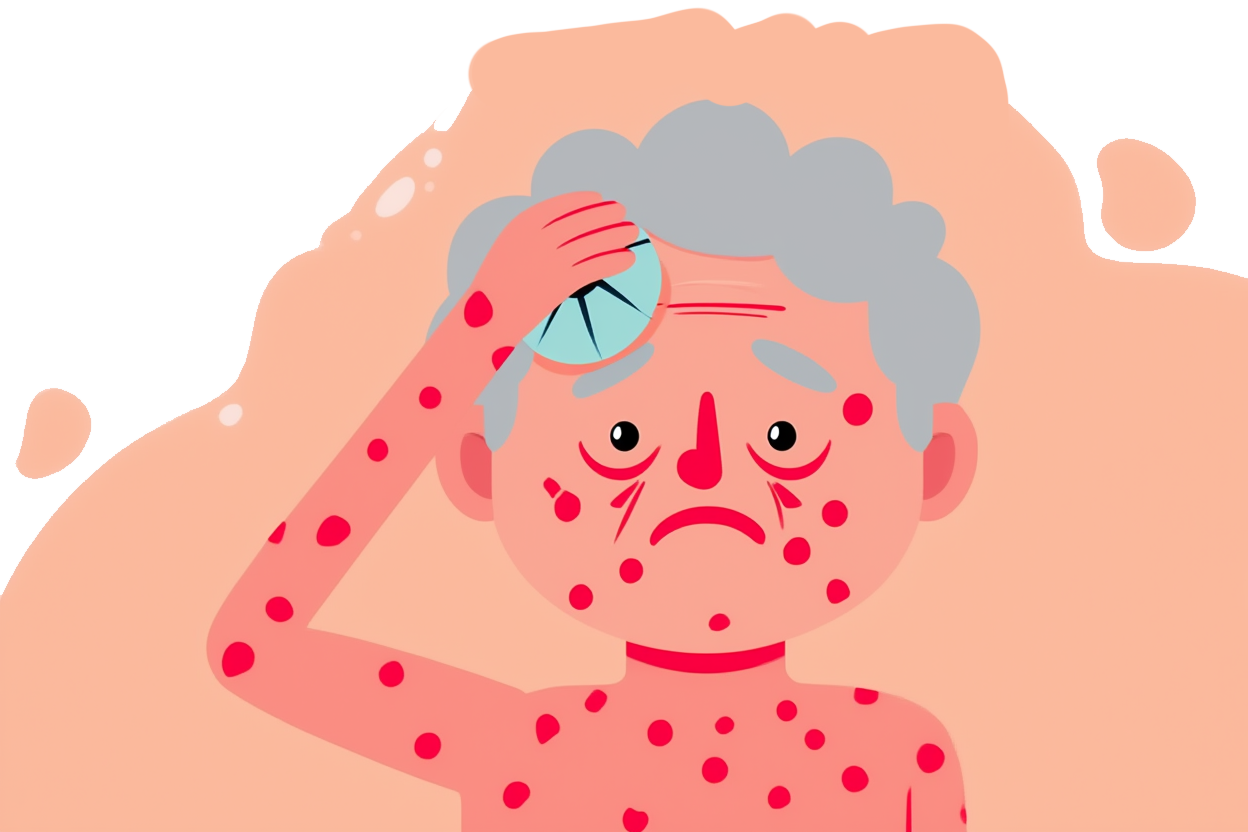
The vaccine doctors recommend
Doctors interviewed by the AMA point to the Shingrix vaccine as the most effective prevention tool.
The CDC recommends Shingrix for adults 50 and older, even if they:
- Had shingles before
- Received the older Zostavax vaccine
- Aren’t sure if they had chickenpox
According to CDC data, Shingrix is more than 90% effective at preventing shingles and postherpetic neuralgia.
And here’s the part many seniors don’t realize: as of 2023, Medicare Part D covers the vaccine with no out-of-pocket cost in most cases.
Still, vaccination rates remain lower than doctors would like.
Some people worry about side effects. Others assume shingles “won’t happen to me.”
But the risk climbs steadily with age.
What seniors should watch for
Early symptoms can include:
- Tingling or burning pain
- Sensitivity to touch
- Fatigue
- Mild fever
The rash usually follows within a few days.
Doctors stress that early treatment with antiviral medication can shorten the course and reduce complications. That means calling your doctor quickly — not waiting it out.
Because this isn’t just a rash.
It’s a virus that’s been waiting quietly for decades.
Disclaimer: This article is for informational purposes only and does not constitute medical advice. Always consult your physician or qualified healthcare provider regarding vaccination decisions or symptoms.