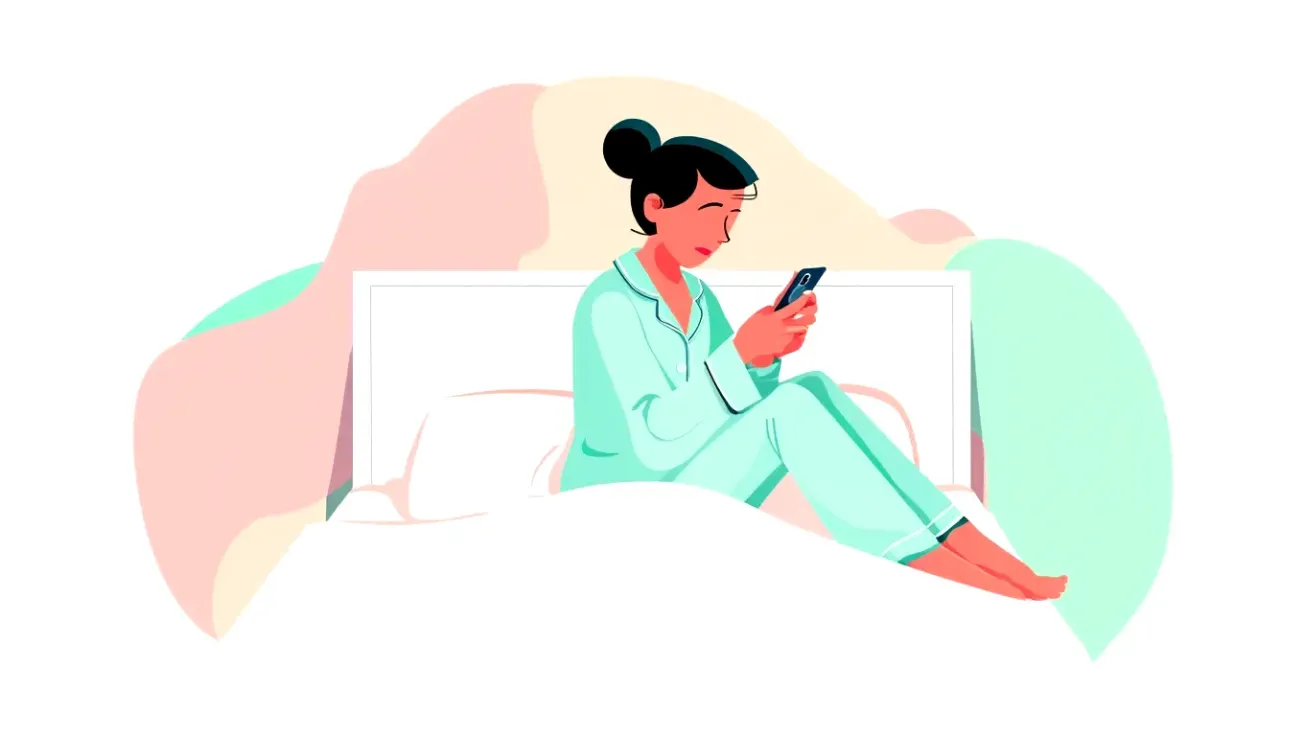
Most habits sneak up on us. This one arrived quietly, somewhere between our first iPhone/iPadand our last late-night weather alert: sleeping with our digital devices – especially our phones – in the bed.
Admit it: it's there. Under the pillow. On the blanket. Sometimes perched on a chest like a pet waiting for instructions.
And while younger Americans may use their phones at bedtime to chase TikTok sleep hacks, many older adults keep it close for a simpler reason: comfort. You don’t want to miss an emergency call or beating your BFF in Words with Friends. You like knowing you're connected and that someone can reach you. A glowing screen can feel like a companion in a quiet house.
But according to a new report from the American Academy of Sleep Medicine (AASM), the phone-in-the-bed routine is doing us no favors — especially as we age.
A Sleep Study That Puts Things in Perspective
The AASM’s 2025 Sleep Prioritization Survey found that 56% of U.S. adults tried at least one viral sleep trend this year — everything from mouth taping to 90-minute sleep cycles to the now-famous “sleepy girl mocktail.”
“Bed rotting,” the trend of hanging out in bed for hours scrolling or decompressing, was most popular with Gen Z. Only 5% of adults 65+ reported trying it — but that doesn’t mean we’re immune to our own version of lingering in bed with a screen.
AASM spokesperson Dr. John Saito warns that spending long stretches in bed while doing anything besides sleeping “may hurt sleep health, and potentially mental health.” When the bed becomes a place to stew in worries or doom-scroll the nightly news, the association between “bed” and “rest” starts to erode.
What Phones Do to Older Sleep Cycles
Age makes sleep more fragile. Lighter sleep, shorter cycles, and more frequent wake-ups are already part of the normal aging process.
Add a glowing phone into the mix and you get:
- Blue light exposure that tells the brain to stay awake
- Interrupted sleep from vibrations, alerts, and screen checking
- Difficulty falling back asleep after nighttime wake-ups
- Groggier mornings and slower cognitive function
Even a quick glance at a screen at 2 a.m. can nudge the brain back toward daytime mode. And once that shift happens, it can take a long while to drift off again.
The Psychological Side: Phones as Security Blankets
This is the part nobody really talks about, but it’s real. For many seniors, the phone has quietly become:
- A lifeline
- A reassurance device
- A way to feel less alone at night
- A just-in-case emergency tool
Those feelings are valid. But there’s a difference between keeping the phone nearby and keeping it in the bed.
Near you, it provides reassurance.
On your pillow, it disrupts sleep and creates safety risks.
The Heat Problem: Phones + Bedding Don’t Mix
It’s uncomfortable to imagine, but phones can overheat — especially when trapped under:
- Pillows
- Quilts
- Electric blankets
- Weighted blankets
When heat can’t escape, the phone can get hot enough to scorch fabric or, in rare cases, cause minor smoldering. It doesn’t happen often, but older adults are more vulnerable if it does, simply because we don’t respond as quickly when startled awake.
Keeping the phone a few feet away reduces this risk dramatically.
Need proof? How 'bout this...
A Better Setup for Safer, Deeper Sleep
You don’t need to exile the phone to the far side of the house. A few small changes can make sleep both safer and healthier:
- Place the phone on a nightstand or charger within easy reach.
- Use Do Not Disturb, allowing only close family to break through.
- Dim the screen or turn it face-down.
- Keep the habit of “bed is for sleeping,” not scrolling.
These small shifts help reinforce what the AASM says is the core of good sleep: consistency, a cool room, and a solid seven hours or more.
Final Word
You don’t need magnesium mocktails, mouth tape, or a $400 “sleepmaxxing” pillow to get better rest. You just need your bed to be your bed — not a lounge, a news desk, or a charging station.
Move the phone off the pillow.
Give your mind space to settle.
Let the night be quiet again.
Your sleep will thank you for it.
Disclaimer: This article is for general informational purposes only and is not a substitute for medical advice, diagnosis, or treatment. Always consult a qualified healthcare professional with questions about sleep concerns, medical conditions, or changes to your nightly routine.