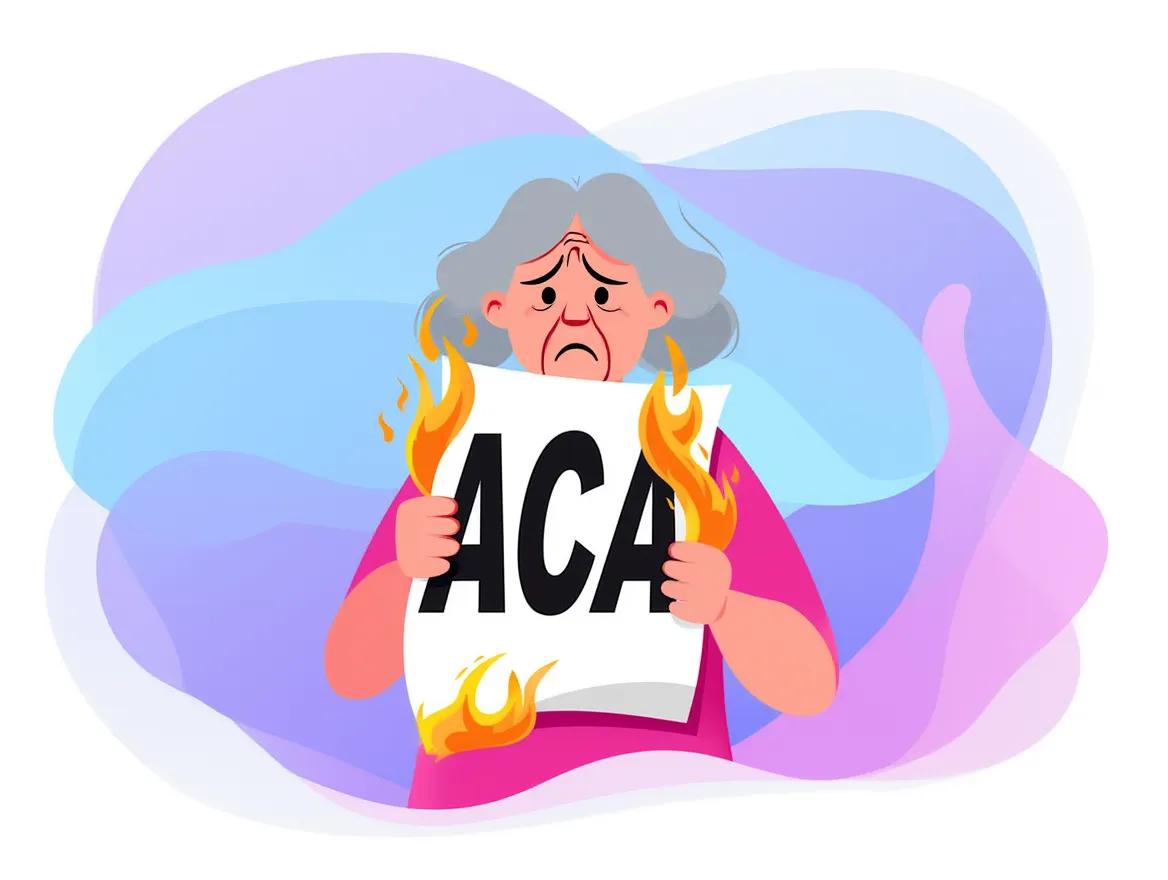
- Medicare Part B premiums jumped $17.90 in 2026, pushing the standard monthly cost above $200 for the first time ($202.90).
- For many retirees, that increase is eating into their 2.8% Social Security COLA, reducing how much of the raise they actually see.
- The spike is forcing some seniors to rethink their Medicare coverage, especially the cost trade-offs between Medicare Advantage and Medigap plans.
The "Big Spike" – it's a term currently being used by financial analysts and Medicare advocates to describe the $17.90 per month jump in Medicare Part B premiums that took effect on January 1, 2026.
"This is gonna hurt," Max Richtman, the President and CEO of the National Committee to Preserve Social Security and Medicare (NCPSSM), told CBS News.
Why it's "viral" right now
The term is trending because many seniors are just now seeing the full impact of this "spike" in their March 2026 billing cycles.
The reason why...
...it's become such a hot topic is the "COLA Eater" Effect. Social Security recipients received a 2.8% COLA raise for 2026 (averaging about $56/month). However, between the $17.90 Part B premium hike and the rise in Medicare Part B deductibles (now $283), nearly one-third of that raise is being immediately clawed back to cover healthcare costs.
Another "sorry, not sorry"...
...is the IRMAA "Cliff" where, for higher earners, the "spike" is much more dramatic. Because of the IRMAA (Income-Related Monthly Adjustment Amount) brackets, a single person whose 2024 income was just $1 over $109,000 saw their monthly premium jump about 40% – from the standard $202.90 to $284.10.
What should Seniors do?
As the dust settles on the first quarter of the year, seniors find themselves at a crossroads. The path forward isn't the same for everyone; it requires an honest look in the mirror to decide if you are "Budget-Conscious" or a "High-Utilizer."
Path A: The Pivot for the Budget-Conscious
If you currently carry a Medigap supplement but find that the combined weight of the new Part B premium and your private supplemental bill is straining your monthly cash flow, you may be looking for an exit ramp toward Medicare Advantage.
Know this:
The Move: While the "Big Spike" is happening now, the window for this specific pivot opens during the Annual Enrollment Period (October 15 – December 7). By moving to a Medicare Advantage plan, many seniors can secure $0-premium coverage that bundles dental, vision, and prescriptions into one package.
The Warning: Before you leap, remember that this is often a one-way street. Once you drop a Supplement for the lower monthly costs of an Advantage plan, returning to that Supplement later often requires a medical exam. You are trading broad network freedom for immediate monthly savings—a trade that only makes sense if those monthly dollars are your top priority.
Path B: The Rescue for the High-Utilizer
On the other side of the road is the senior who chose an Advantage plan for its low premiums, only to be "nickeled and dimed" by co-pays at every specialist visit. If your medical receipts from January and February are already piling up, you may realize you are a "High-Utilizer" who would actually save money by paying a higher premium for a Supplement.
Know this:
The Move: If this is you, you are in luck—but the clock is ticking. We are currently in the Medicare Advantage Open Enrollment Period, which runs until March 31. This is your rare "mulligan" window to drop an Advantage plan and return to Original Medicare.
The Warning: Caution -- in most states, moving back to a Supplement like Plan G means the insurance company can ask you health questions. They could potentially deny you or charge a higher rate because you are outside your initial enrollment window. It is a calculated risk, but for those facing constant co-pays and a $283 deductible, it’s a risk worth investigating before the March 31 deadline.
The Expert 3-step survival plan
- Do the "Net Raise" Math: Don't look at your COLA in a vacuum. If your check went up by $56 but Medicare took $18, you only have $38 in "new" money. Knowing your true net gain is the only way to build a realistic 2026 budget.
- Audit Your Q1 Usage: Look at your healthcare spending from the last 60 days. If you’ve already hit that $283 deductible, the math is telling you to lean toward a Supplement. If you haven't seen a doctor at all, the "Budget-Conscious" Advantage plans are calling your name.
- Claim the "OBBB" Tax Shield: This is the ultimate "silver lining" of 2026. Regardless of your health plan, ensure your tax preparer utilizes the new $6,000 OBBB deduction for seniors. It is the single best way to lower your taxable income and keep more of your Social Security out of the IRS’s hands, effectively offsetting the "Big Spike" from the bottom up.
Disclaimer: Smart Senior Daily provides general information to help readers understand Medicare and retirement issues. It is not financial, insurance, or medical advice. Medicare coverage options, premiums, and eligibility rules can change and may vary by state. Readers should review their personal situation and consult a licensed Medicare counselor, financial advisor, or healthcare professional before making coverage decisions.