The Takeaway
- A national survey finds social connection is now the No. 1 health priority for adults 65+.
- Two-thirds of respondents said staying socially active matters more than physical independence or doctor visits.
- Loneliness carries the same health risk as smoking 15 cigarettes a day, according to the U.S. Surgeon General.
- Programs that “prescribe” friendship and community engagement are spreading nationwide.
- Doctors say laughter, conversation, and companionship are as essential to aging well as medication.
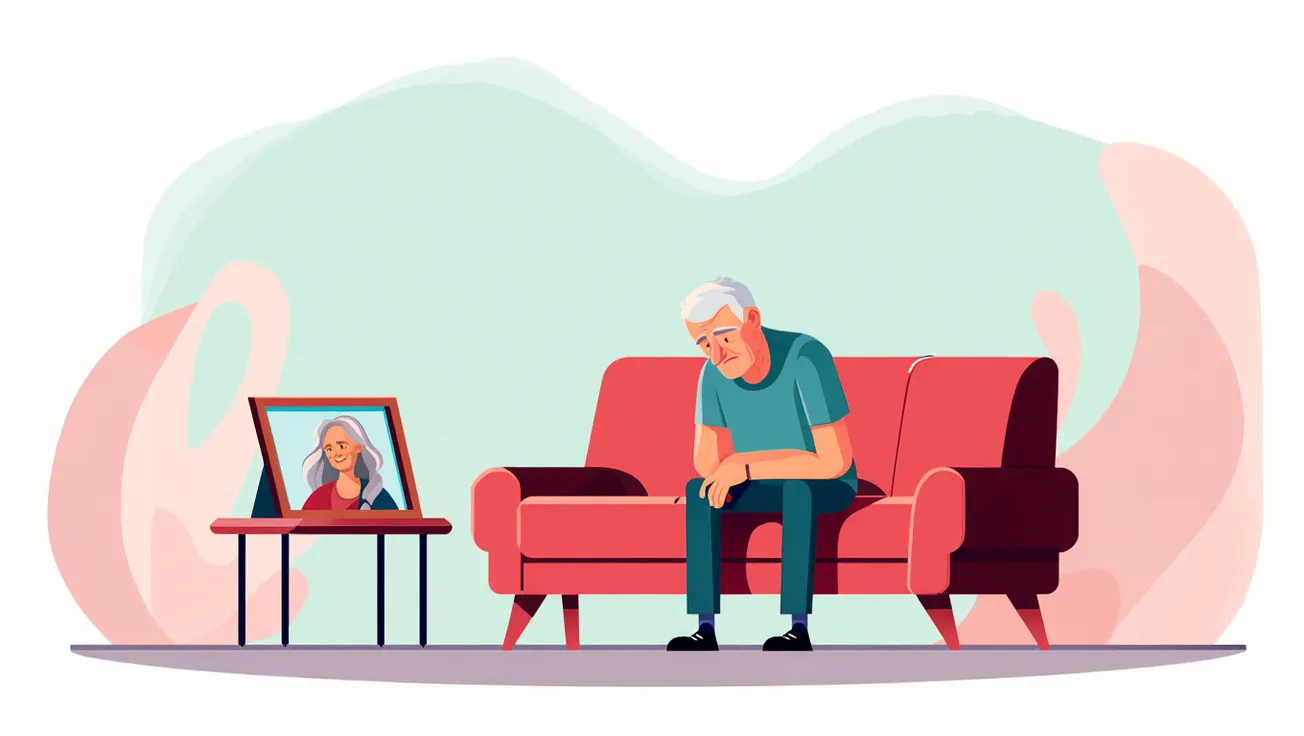
When 82-year-old Mary Alice Dunn stopped driving, she assumed she’d just miss choir practice. Instead, her health began to slide — her appetite dipped, her blood pressure rose, and she felt dizzy most mornings. “I didn’t realize how much my friends were keeping me alive,” she says.
She’s not alone. A new Case Western Reserve University and Cleveland Clinic survey reported by Ideastream Public Media found that older adults now value social engagement above every other aspect of health. Sixty-five percent of respondents over 65 listed “time with friends and group activities” as their most important health goal — higher than maintaining mobility, staying independent, or even seeing family.
That finding surprised even the researchers. “For years, we’ve told patients to eat better, move more, and take their meds,” said Dr. Christopher Burant, associate professor of nursing at Case Western. “Now they’re telling us: connection is the missing piece.”
The Science of Staying Connected
The body doesn’t just crave nutrients — it craves interaction. Social connection releases oxytocin, the so-called “bonding hormone,” and suppresses cortisol, a stress hormone that can weaken the immune system.
Studies from the National Institute on Aging show that adults with strong social networks live an average of 7½ years longer than those who are chronically isolated. Regular social interaction is linked to lower blood pressure, better cognitive health, and slower onset of dementia symptoms.
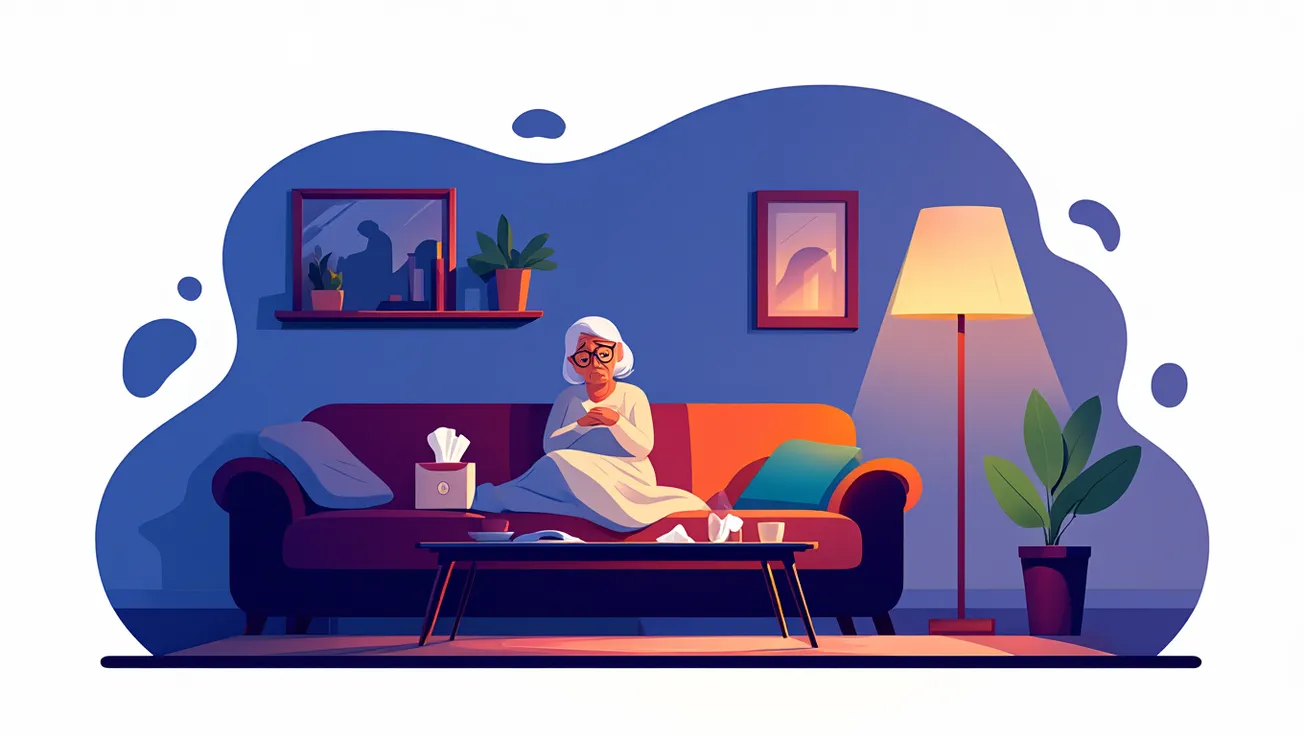
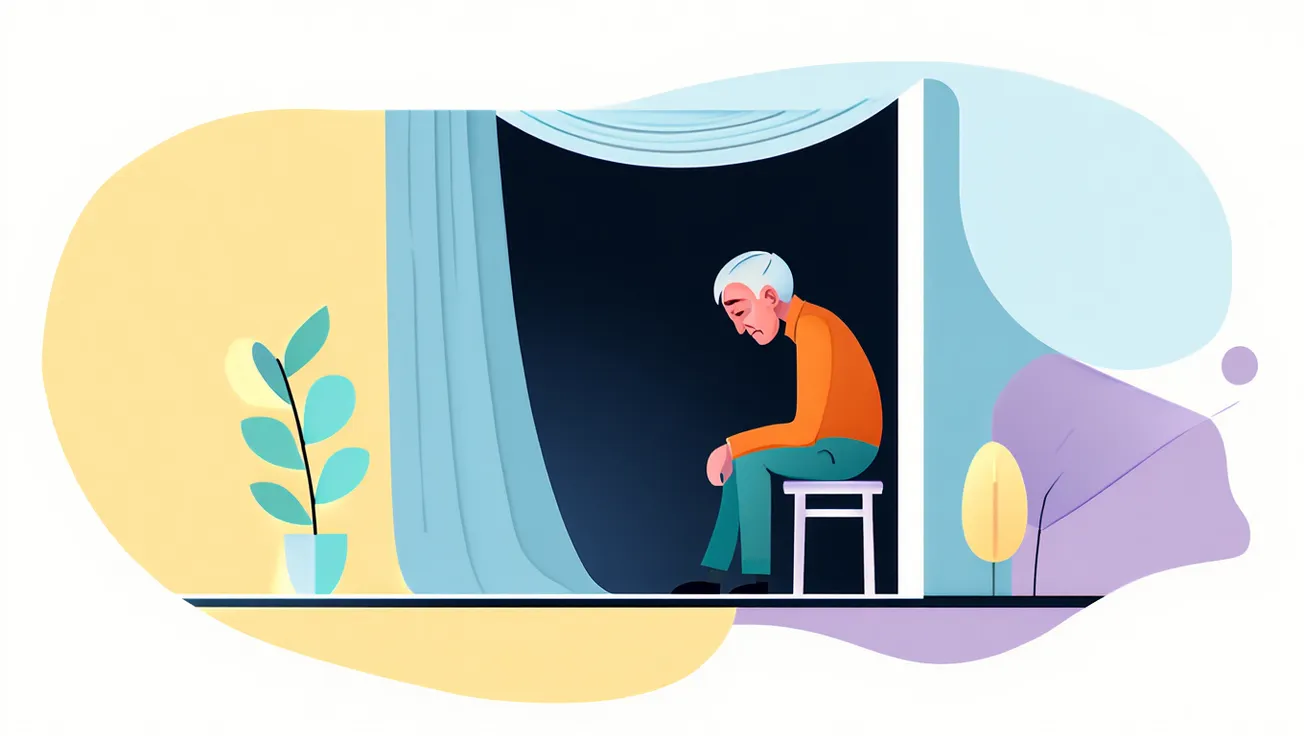
And yet, loneliness is quietly rampant. The U.S. Surgeon General’s 2023 advisory on the “Epidemic of Loneliness” concluded that social disconnection poses as serious a risk to premature death as smoking or obesity. About one-third of older Americans report feeling isolated regularly — a rate that doubled after the pandemic.
The Shift in Priorities
Before 2020, seniors surveyed by the same research team ranked independence as their top measure of health. Now, connection has overtaken self-sufficiency.
Part of that shift comes from the pandemic’s forced isolation — but also from technology fatigue. Many seniors found that virtual socializing couldn’t replace in-person warmth. “Zoom kept us talking, but it didn’t keep us feeling,” said one 76-year-old participant.
The study also found that older adults who participated in weekly group activities — from card clubs to walking groups — reported higher satisfaction with their health, regardless of medical conditions.
The Rise of ‘Social Prescriptions’
Doctors are starting to take the message seriously. Across the U.S., clinics are experimenting with social prescribing — writing referrals not just for physical therapy or nutrition counseling, but for community engagement.
In Boston, physicians at a pilot clinic are prescribing choir membership for patients struggling with isolation. In California, Medicare Advantage providers are covering fees for senior yoga and art classes. And in Louisville, a hospital-funded “Walking With Friends” program pairs isolated seniors with volunteer walking partners.
“It sounds soft, but it’s as real as medicine,” said Dr. Leana Wen, a public-health physician and commentator. “When we treat loneliness, we prevent heart disease, depression, and early decline.”
5-Minute Connection Plan
Small daily actions can make a big difference:
- Call one friend every day — even for five minutes.
- Schedule weekly routines (coffee Tuesday, walk Thursday).
- Join a group that meets in person — book club, community choir, or volunteer gig.
- Check in on someone else. Helping others boosts your own mood.
- Write it down. A gratitude or contact journal can track social goals like fitness logs track steps.
For Mary Alice, her choir became her prescription. “We sing, we laugh, and half the time we don’t even sound good,” she laughs. “But my doctor says my blood pressure’s perfect now. I think it’s the laughter that did it.”
Sources:
- Ideastream Public Media
- U.S. Surgeon General’s Advisory on the Epidemic of Loneliness
- National Institute on Aging: Social Isolation and Health
Disclaimer: This article is for informational purposes only and should not be considered medical advice. Seniors experiencing chronic loneliness, anxiety, or depression should speak with a healthcare provider, counselor, or local aging-services organization for support.