By Ziad Nasreddine, MD – Cognitive Neurologist, CEO at MoCA Cognition
As part of Smart Senior Daily's Alzheimer's series, we're offering additional, bonus information that we think our readers will find useful. One of those is from the leader in cognitive testing, MoCA Cognition. We asked MoCA's Dr. Nasreddine to explain how cognitive tests work and what they should know and expect if they're asked to take one. These are Dr. Nasreddine's thoughts...
As we age, it’s common to notice changes in memory, attention, or how quickly we process information. Many seniors wonder: Is this normal aging, or should I be concerned? Understanding when forgetfulness is expected—and when it may be a sign to seek cognitive testing—can help individuals and families take proactive steps toward protecting brain health.
Normal forgetfulness vs. concerning signs
Normal age-related forgetfulness often involves minor lapses that do not interfere with daily life. Examples include occasionally forgetting names but remembering them later, misplacing items like glasses or keys, or taking longer to learn new technology. These changes tend to be mild, stable over time, and manageable with reminders or routines.
Concerning signs are different. They may include frequent memory loss that disrupts daily activities, difficulty following familiar conversations, getting lost in well-known places, struggling to manage finances or medications, or noticeable changes in judgment, language, or personality.
When memory or thinking problems are progressive, persistent, or noticed by family members, it is wise to consider cognitive screening. Early evaluation allows for timely medical follow-up, lifestyle adjustments, and planning.
Screening is not the same as diagnosis
A common misconception is that a cognitive test provides a medical diagnosis. In reality, most cognition tests are screening tools, not diagnostic instruments. Screening helps identify whether someone’s cognitive performance is within the expected range, or whether further assessment is warranted.
A diagnosis—such as Alzheimer’s disease or another neurological condition—requires a comprehensive clinical evaluation by a qualified healthcare professional. This may include medical history, physical and neurological exams, imaging, blood tests, and sometimes detailed neuropsychological testing. Screening is simply the first step in that process.
 Smart Senior Daily Staff
Understanding SCI, MCI, and dementia
Cognitive changes are often described along a spectrum:
- Subjective Cognitive Impairment (SCI) refers to situations where individuals feel their memory or thinking has declined, but objective testing remains normal. SCI can be influenced by stress, sleep, mood, or health factors, yet it may also represent an early warning sign worth monitoring.
- Mild Cognitive Impairment (MCI) involves measurable cognitive changes greater than expected for age, while daily independence is largely preserved. MCI does not always progress, but it does increase the risk of developing dementia over time.
- Dementia describes a group of conditions marked by significant cognitive decline that interferes with daily life and independence. Memory, language, problem-solving, and behavior may all be affected.
Identifying where someone falls along this continuum is critical for appropriate care and planning.
The MoCA and cognitive testing today
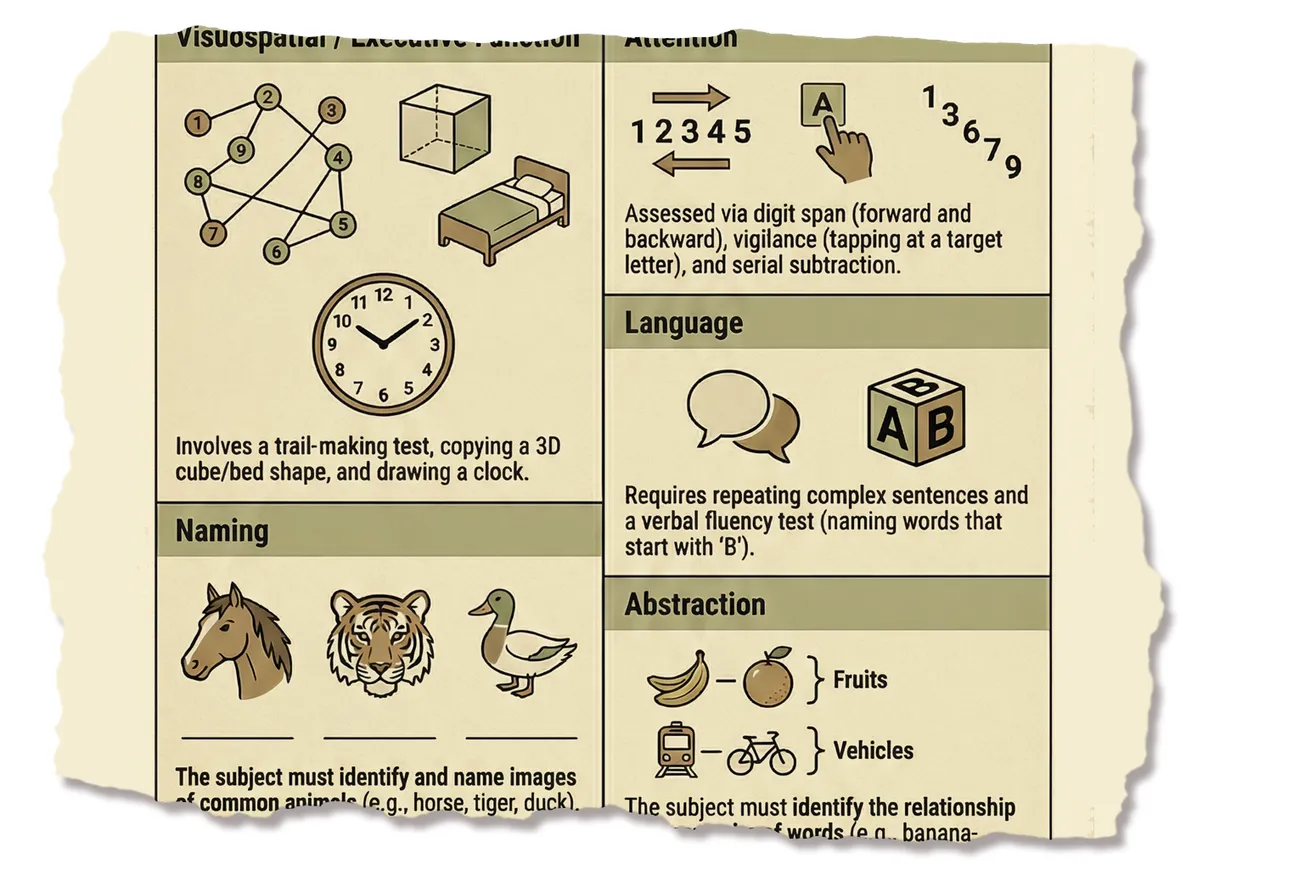
The Montreal Cognitive Assessment (MoCA) has become widely recognized internationally as a gold-standard screening tool for detecting MCI, particularly because it is sensitive to subtle cognitive changes that simpler tests may miss. Traditionally, the MoCA has been administered using paper-and-pencil formats by trained professionals in clinical settings.
Today, cognitive testing is evolving. Advances in digital health have introduced new testing capabilities that complement traditional paper-based assessments. These tools can increase accessibility, standardization, and reach—especially for people who may not yet be connected to specialty care.


At-home testing and starting the conversation
New at-home cognitive performance tools, such as XpressO, offer seniors and families a way to engage with brain health earlier. While not diagnostic, these tests can help individuals understand their cognitive performance, start informed conversations with healthcare providers, and prioritize follow-up when needed.
Importantly, taking a cognition test should not be viewed with fear. Rather, it is an empowering step—much like checking blood pressure or cholesterol—to support long-term brain health. Early awareness creates opportunities for intervention, lifestyle optimization, and peace of mind.
In summary, knowing the difference between normal aging and concerning cognitive changes, understanding what screening can and cannot tell you, and being aware of modern testing options can help seniors take an active role in protecting their cognitive well-being.
 Smart Senior Daily Staff
MoCA Cognition is the organization behind the MoCA Test, the world’s leading tool for the early detection of cognitive impairment. The test was created over 20 years ago by Dr. Ziad Nasreddine, a cognitive neurologist and MoCA Cognition’s CEO.
Today, MoCA Cognition also offers MoCA-XpressO, a quick, under-five-minute self-check that can be completed at home to assess memory and brain performance—helping people take a more active role in protecting their brain health.
Cognitive Testing & Medical Information Disclaimer: This bonus content is provided for educational and informational purposes only and is part of Smart Senior Daily’s Alzheimer’s series. The information shared by Dr. Ziad Nasreddine reflects general medical knowledge and clinical experience but does not constitute medical advice, diagnosis, or treatment.
Smart Senior Daily does not endorse or recommend specific medical tests, products, or services. Any decisions about cognitive testing, medical care, or treatment should be made in consultation with a trusted healthcare provider who understands your personal medical history.