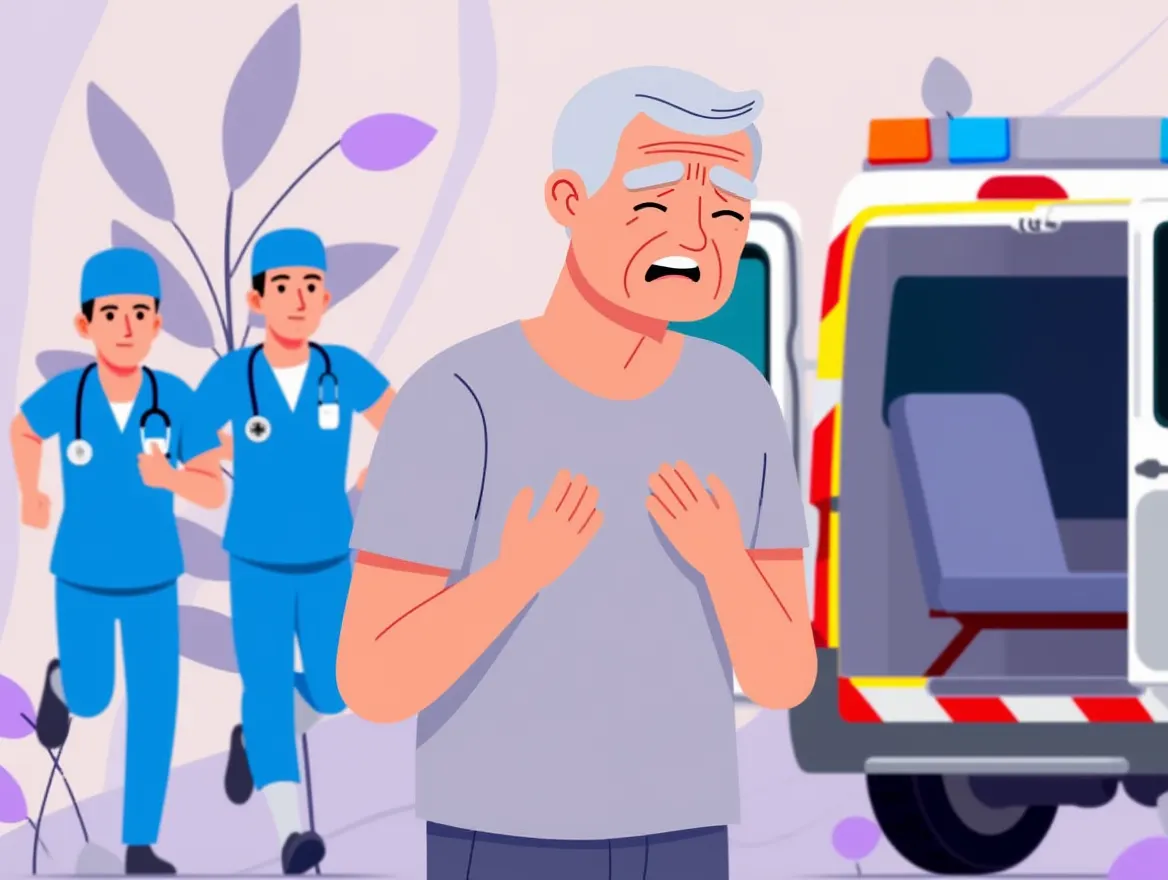
Many seniors assume a heart attack comes out of nowhere — a sudden collapse, dramatic chest pain, sirens in the distance.
In reality, that’s often not how it happens.
Heart disease remains the leading cause of death for both men and women, and heart attacks can arrive quietly. According to interventional cardiologist Dr. James Stephen Jenkins at the Ochsner Medical Center - New Orleans, warning signs may show up weeks before a major event. They’re easy to dismiss. They’re also easy to regret ignoring.
“Heart attacks don’t always happen like they do in the movies,” Jenkins explains. “Warning signs may occur hours, days, or even weeks in advance — and recognizing them can save a life.”
Below are the most common early signals cardiologists say deserve attention, especially for adults over 60.
1: Chest discomfort that keeps coming back
This is still the most familiar sign — but it isn’t always crushing pain. Many people describe pressure, tightness, or a squeezing sensation. It may spread to the arms, neck, jaw, back, or stomach and can come with nausea, sweating, or shortness of breath.
“If chest discomfort lasts more than a few minutes, don’t wait it out,” Jenkins warns. “Get medical help right away.”
Not everyone feels chest pain, but recurring discomfort should never be brushed off.
 Smart Senior Daily Staff
2: Fatigue that feels different
Everyone gets tired. This is different.
Unusual exhaustion — especially fatigue that appears without exertion — is one of the most common early warning signs, particularly in women. Jenkins notes that reduced blood flow forces the heart to work harder, draining energy reserves.
About 70% of women report fatigue before a heart attack, according to clinical observations.
3: Dizziness or feeling faint
Lightheadedness can come from dehydration or skipping a meal. But when it’s paired with chest discomfort or shortness of breath, it may signal reduced blood flow to the brain.
“You may feel like you’re about to faint or that the room is spinning,” Jenkins says. “That combination deserves immediate attention.”
4: Indigestion, nausea, or stomach pain
More than half of heart attacks involve abdominal symptoms. Heartburn, bloating, nausea, or stomach pain can mimic digestive trouble — and that’s why they’re so often ignored.
“Listen to what your body is telling you,” Jenkins advises. “If something feels unusual, seek care.”
5: Cold sweats or sudden sweating
Breaking into a sweat without exertion — especially a cold, clammy sweat — can be your body’s stress response when the heart is in trouble.
Outside of exercise or menopause-related changes, this is a red flag.
6: Swelling in legs, ankles, or feet
Fluid buildup in the lower extremities can mean the heart isn’t pumping efficiently. While swelling has many causes, new or worsening swelling deserves evaluation.
7: Irregular heartbeat
A racing, fluttering, or uneven heartbeat can occasionally come from caffeine or stress. But persistent irregular rhythms may indicate atrial fibrillation or reduced blood supply.
“When the heart isn’t getting enough blood, everything is affected,” Jenkins explains.
 Smart Senior Daily Staff
8: Pain outside the chest
Heart-related pain doesn’t always stay in the chest. Arms, shoulders, back, neck, jaw, or stomach pain — especially when paired with other symptoms — can be part of the picture.
“Your body sends signals,” Jenkins says. “The key is paying attention.”
9: Shortness of breath
Difficulty breathing, wheezing, or coughing can occur when the heart can’t meet the body’s oxygen needs. This may happen with or without chest pain.
“If you’re struggling to breathe, seek help immediately,” Jenkins stresses.
Men and women don’t feel this the same way
Men more often report classic chest pain, sweating, and shortness of breath. Women are more likely to experience fatigue, nausea, dizziness, and pain outside the chest — symptoms that are easier to dismiss.
That difference costs lives.
What to do if symptoms appear
- Call 911 immediately
- Chew one 325 mg aspirin if not allergic
- Sit down, rest, and avoid exertion
- Tell emergency responders about symptoms, medications, and history
“The longer treatment is delayed, the more damage occurs,” Jenkins says.
Reducing your risk
Heart attack risk drops with consistent habits:
- Manage blood pressure, cholesterol, and diabetes
- Quit smoking
- Stay physically active
- Reduce chronic stress
- Get regular medical checkups
Small steps, taken early, can make a life-saving difference.
Disclaimer: This article is for informational purposes only and does not replace professional medical advice. If you experience symptoms of a heart attack, seek emergency medical care immediately.