The Takeaway
- Falls are the leading cause of injury-related death for Americans over 65.
- The CDC reports a 70–100% rise in senior fall deaths since 2003.
- Many falls stem from medication, muscle loss, or home hazards — all fixable.
- Ask your doctor for a “fall risk assessment” and bring up balance changes early.
- Simple aids — from supportive shoes to grab bars — can reduce your risk dramatically.
A Sudden Shift
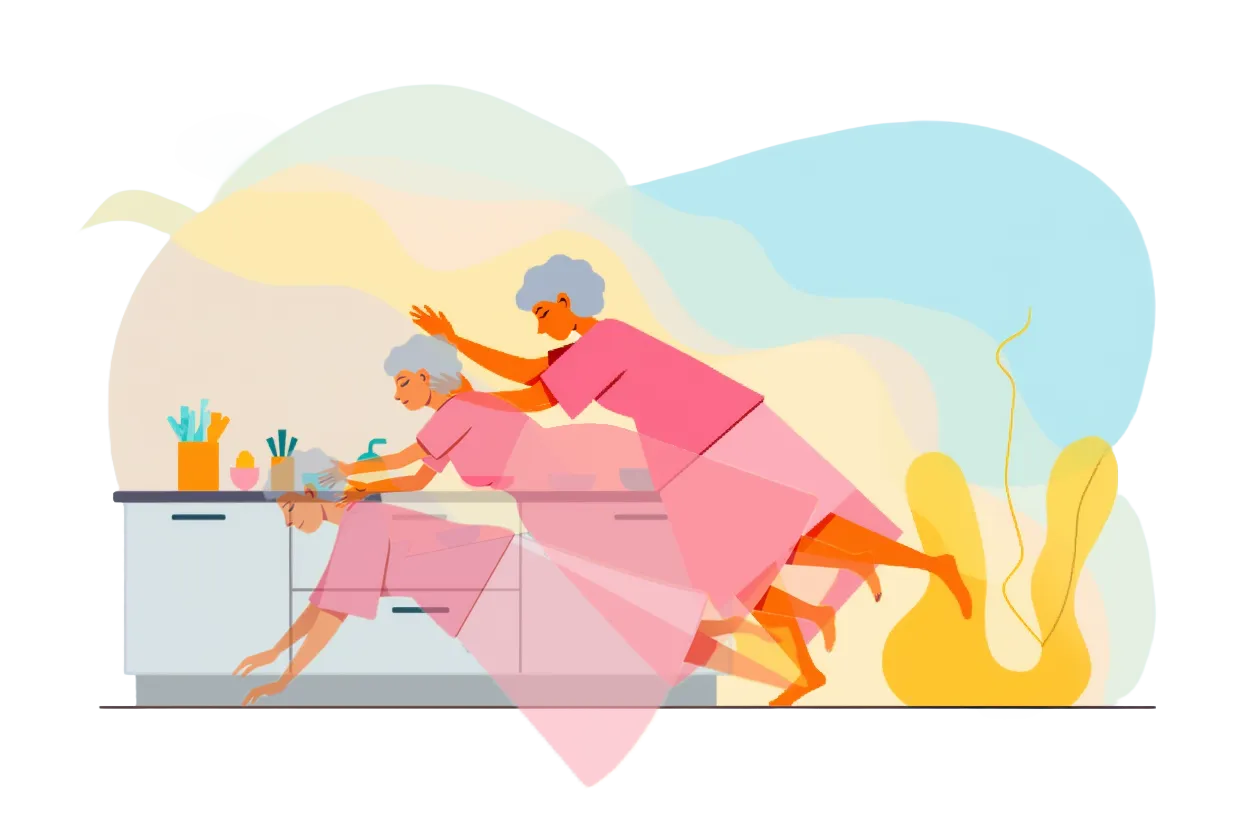
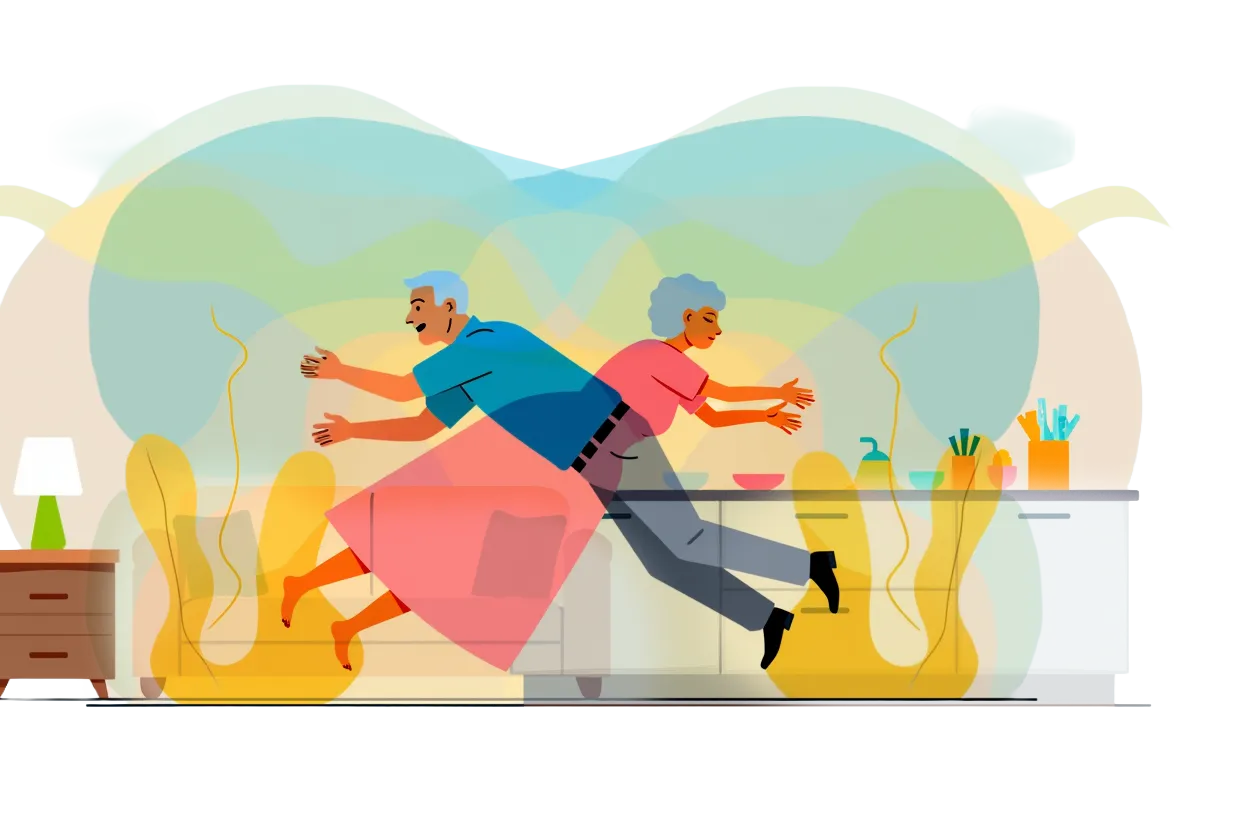
You don’t have to take a dramatic tumble to be at risk. Often, the warning signs creep in quietly: a missed step on the stairs, a stumble on uneven pavement, or feeling wobbly when turning too quickly.
The Centers for Disease Control and Prevention (CDC) says deaths from unintentional falls among adults 65+ have more than doubled over the last two decades. The sharpest rise has been in adults over 85.
But doctors stress that most falls are preventable — especially when seniors, caregivers, and clinicians work together early. Smart Senior Daily did some homework on how you can make things safer for you. Here's what we found.
 Smart Senior Daily Staff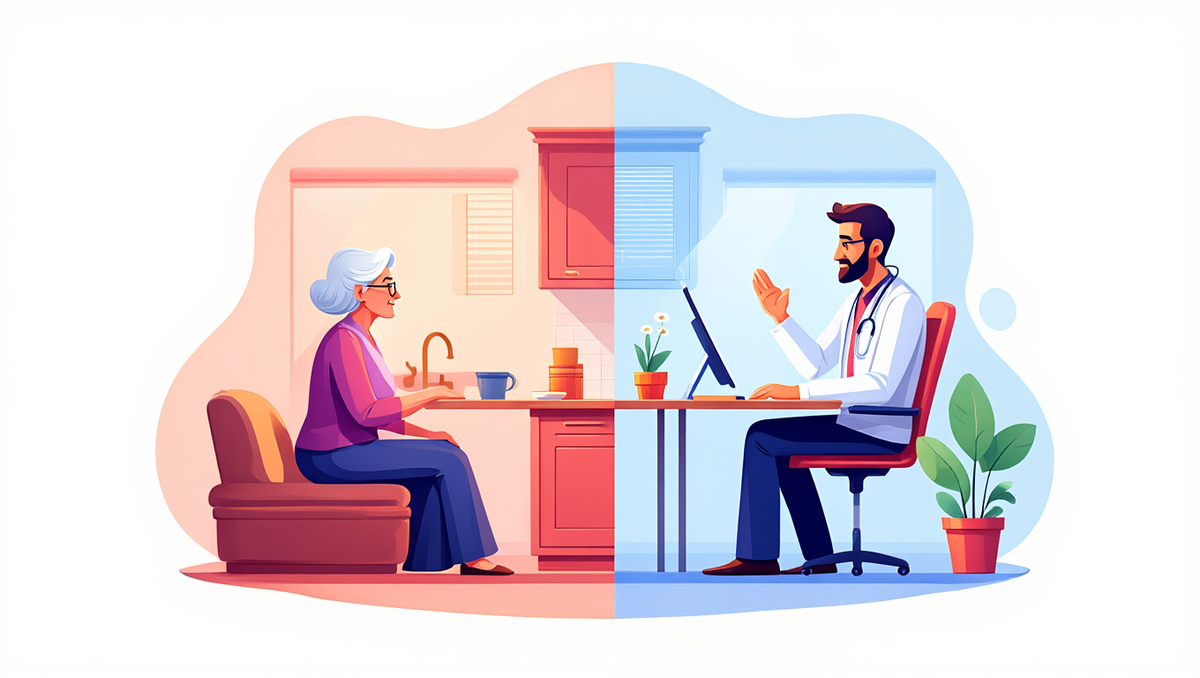
Common Red Flags
Here are signs it’s time to take your fall risk seriously:
- You’ve fallen once in the past year — even if you weren’t hurt.
- You feel unsteady when standing up, turning, or reaching.
- You use furniture for balance when walking.
- You’ve stopped doing activities because you’re afraid of falling.
- You’re taking medications that cause dizziness or fatigue (some sleep aids, blood pressure meds, or antidepressants).
- Your vision has changed or you avoid wearing your glasses.
- You wear loose-fitting shoes or socks that slip.
Questions to Ask Your Doctor
Falls are not just a physical issue — they can stem from medication, eyesight, circulation, or neurological changes. Here’s what to ask:
- “Can you screen me for fall risk?”
- “Could any of my medications be increasing my dizziness or balance issues?”
- “Would physical therapy or balance training help?”
- “Should I get my vision or hearing checked again?”
- “Are there safe exercises I can do to strengthen my legs and improve stability?”
- “If I do fall, what’s my plan — who do I call, and what should I do first?”
Who to see:
- Start with your primary care doctor (GP or internist) — they can review medications, order labs, and refer you to specialists.
- Neurologists can evaluate balance or coordination problems that might signal nerve issues.
- Geriatricians focus on the interplay of medications, mobility, and chronic conditions.
- Physical therapists are key for targeted strength and balance work. Ask for a “fall prevention” referral.
Simple Aids That Help
A few smart upgrades can make a big difference:
| Category | Helpful Tools | Why It Helps |
|---|---|---|
| Footwear | Non-slip shoes, firm heel counter, wide toe box (brands like Orthofeet or New Balance 813) | Better stability and traction |
| Mobility | Walking poles, canes with rubber tips, rollator walkers | Reduce joint strain, improve balance |
| Home Safety | Grab bars in bathrooms, sturdy stair rails, motion lights, non-slip mats | Removes common tripping hazards |
| Clothing/Apparel | Fall-resistant pants (padded hips), compression socks for circulation | Protection and improved stability |
| Tech Tools | Smartwatches or pendants with fall detection (Apple Watch, Lifeline, UnaliWear Kanega) | Automatic alert to family or 911 after a fall |
Home Safety Self-Check
How many of these to-do's can you check off?
Fall Prevention Checklist
- I have night lights in hallways and bathrooms.
- My floors are clear of loose cords, rugs, or clutter.
- I wear shoes indoors (not socks or slippers).
- My stairways have handrails on both sides.
- I get up slowly after sitting or lying down.
- I do balance or leg-strength exercises at least 3x per week.
- I’ve had my eyes and hearing checked in the past year.
- I’ve reviewed my medications with my doctor in the last 6 months.
Bottom Line
Falls don’t “just happen.” They’re often the body’s way of warning us that something — strength, meds, lighting, or confidence — needs attention.
By catching those small shifts early and taking a few low-cost steps, most seniors can stay upright, active, and independent far longer.
Health & Safety Disclaimer: This content is for informational and educational purposes only and is not a substitute for medical advice, diagnosis, or treatment. Fall risk varies based on individual health, mobility, medications, and home conditions. Always consult a qualified healthcare professional about balance concerns, fall prevention strategies, or changes to your living environment.