For decades, the U.S.' healthcare system has meticulously measured the cost of caring for older adults using a familiar set of numbers: hospital stays, emergency room visits, readmissions, and procedures.
And the rise of those costs is nothing short of steep. For example, on an individual level, health spending for the average American was about $1,067 in 1980. Today, that figure has reached over $15,000 per person.
But numbers being numbers, they tell only part of the story.
A growing number of clinicians argue that one of the biggest drivers of health care costs — and quality of life — is something the system barely tracks at all: whether seniors can safely remain independent in their own homes.
To better understand why that matters, Smart Senior Daily asked Daniel Elliot, Director of Clinical Partnerships & Programs at Jukebox Health, three questions about independence, aging in place, and why the health care system often responds too late.
1️⃣ What do today’s health care cost metrics measure well — and what do they completely miss when it comes to seniors living at home?
Today’s health care cost metrics are actually very good at measuring what happens after something goes wrong.
Claims data can show hospitalizations, emergency room visits, procedures, and the costs associated with them. But those numbers tell a retrospective story — they capture the aftermath of a problem rather than the early warning signs that led to it.
“The system is essentially designed to measure crises,” Elliot said. “We see the hospitalization, the ER visit, or the procedure. What we often miss are the daily functional changes that happen long before those events occur.”
Those early signals often appear in everyday life. A senior may begin struggling to manage medications, preparing meals becomes harder, or a caregiver notices increasing unsteadiness while walking. These changes are often the first indicators that a fall, illness, or hospitalization may be coming.
The information that could flag these risks often already exists. Activities of Daily Living (ADL) assessments, caregiver observations, and even wearable devices that track activity or sleep can reveal subtle declines in function.
The problem is that much of this information is scattered across service plans, paper records, or disconnected systems.
“The mechanisms to identify risk are already there,” Elliot said. “But the system is largely reactive. It’s optimized to track billing events rather than the day-to-day functioning that determines whether someone can safely remain at home.”
 Gary P Guthrie
2️⃣ At what point does a small loss of independence turn into a much bigger — and more expensive — problem?
Loss of independence rarely happens overnight.
Usually, it starts with small shifts that seem manageable at first. A senior who once cooked regularly begins relying on prepared food. Someone who used to drive to appointments now needs a ride. A bathroom that once felt perfectly safe suddenly becomes a fall hazard.
Those changes can signal something deeper.
Something we don't often consider is that most older adults are living in homes built decades ago — often designed for families rather than aging residents. Two-story layouts, narrow hallways, and standard bathtubs can quietly become dangerous as mobility declines.
When those challenges go unaddressed, the consequences can escalate quickly.
“A fall or missed medication can lead to an ER visit,” Elliot said. “That visit can turn into a hospital admission, which can then lead to a short-term nursing facility stay. What started as a small, addressable gap becomes a major medical event.”
There are also psychological effects. When seniors lose confidence in their ability to move safely, they often become less active. Reduced movement accelerates physical decline and increases the risk of additional health problems.
The ripple effects reach families as well.
Spouses and adult children frequently step into caregiving roles, sometimes reducing work hours or leaving the workforce entirely. Many perform complicated tasks — such as medication management or mobility assistance — without training.
“The full cost of independence loss extends far beyond what shows up in a medical claim,” Elliot said. “It affects the senior, the family, and the entire care system.”
 Gary P Guthrie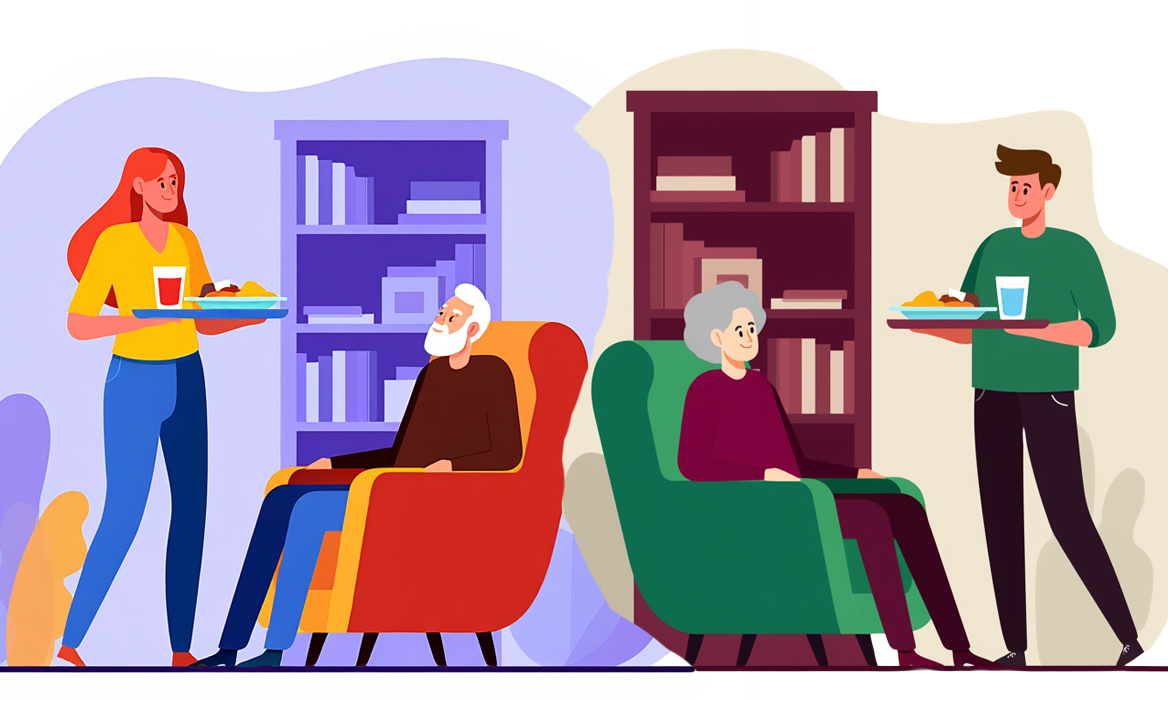
3️⃣ How would outcomes change if home independence were tracked alongside hospital metrics?
The metrics we track shape how care systems behave.
Today’s health care system focuses heavily on utilization — hospital stays, readmissions, and procedures. That structure naturally directs attention toward episodes of care rather than what happens between them.
Adding functional independence as a core measurement would shift that focus.
Instead of asking only how a patient performed during a hospital stay, providers could ask a more fundamental question: How is this person functioning in their daily life at home?
Functional decline often follows a recognizable pattern. The first abilities to slip are usually what clinicians call Instrumental Activities of Daily Living (iADLs) — tasks like managing medications, cooking meals, handling finances, or keeping up with household responsibilities.
Those changes can appear months or even years before a serious medical event.
If those signals were tracked consistently, care teams could intervene earlier. Small supports — such as meal delivery, home safety modifications, assistive devices, or physical therapy — could help maintain independence before a crisis occurs.
The potential impact is significant:
- Fewer emergency room visits
- Fewer avoidable hospital admissions
- Less reliance on costly residential care
But the benefits go beyond economics.
“For seniors who want to age in place, maintaining independence isn’t just a clinical goal,” Elliot said. “It’s dignity. It’s the difference between needing help with a few tasks and losing the ability to live at home entirely.”
Tracking independence, he argues, would allow health systems to support the kind of care most seniors say they want — staying safely in the place they call home.
Disclaimer: This article is for informational purposes only and is not intended as medical advice. Seniors and caregivers should consult a physician, geriatric specialist, or qualified health professional before making decisions about medical care, home safety, or aging-in-place plans. Individual health needs and living situations can vary widely.