The Takeaway
- Heart meds, diabetes drugs, antibiotics, and inhaler solutions are among the most affected categories.
- Seniors feel shortages first because they use more daily meds and have more chronic conditions.
- Pharmacists say there are safe workarounds — but you need to act early.
- Checking therapeutic equivalents can prevent dangerous gaps.
- FDA still lists 88 active shortages (as of December 2025).
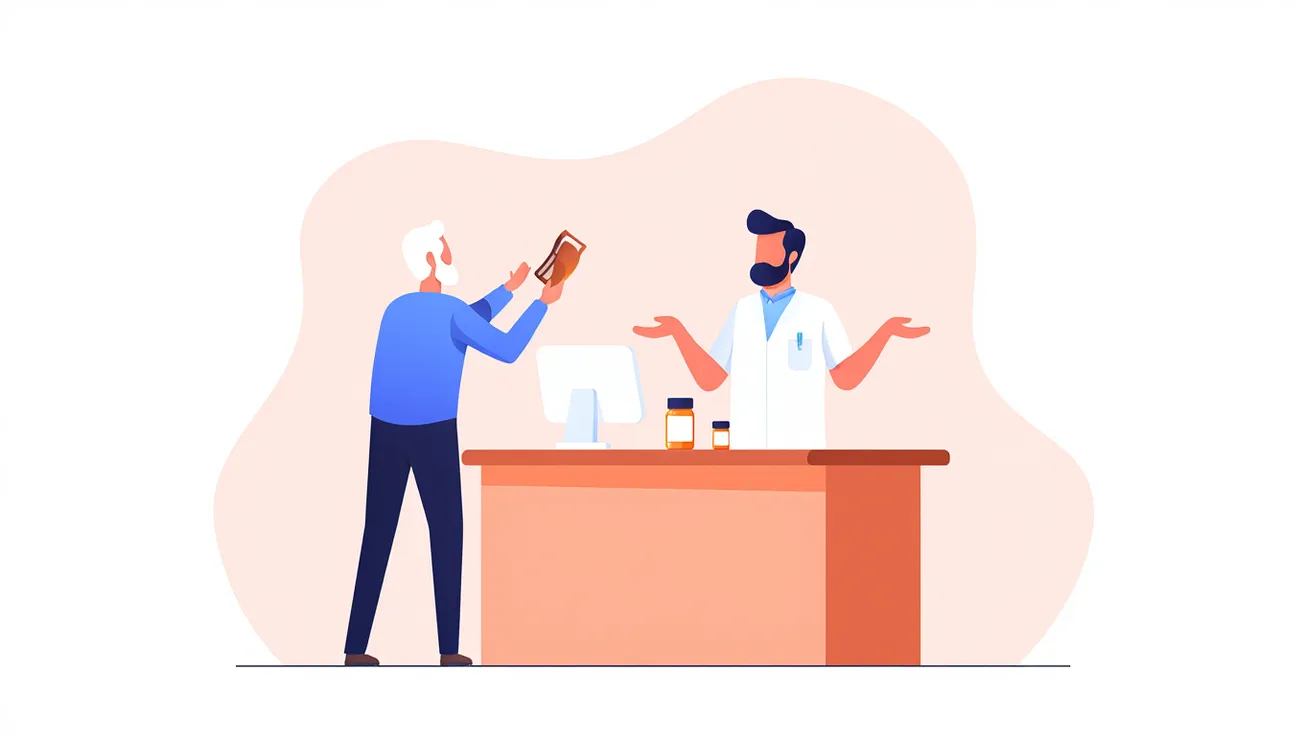
Walk into almost any pharmacy right now and ask for a refill, and you might see the pharmacist wince before the words come out: “We’re out of that.”
It’s not bad luck. It’s a national problem.
According to the FDA’s Current Drug Shortages list, there are 88 medications still in shortage — many of them essential to older adults: heart drugs, diabetes injections, inhaler solutions, antibiotics, and pain medications used in hospital care.
And unlike the supply disruptions early in the pandemic, this isn’t a one-off event.
This shortage wave is structural.
What’s hitting seniors the hardest
From the FDA list, several categories stand out:
Heart & circulation medications
Furosemide and Bumetanide injections — key drugs for heart failure — remain in shortage. Seniors make up the overwhelming majority of users.
Diabetes & blood sugar support
Liraglutide (a GLP-1 drug) and multiple dextrose solutions (used in low-blood-sugar emergencies) are affected.
Inhalation and breathing treatments
Albuterol solution — used in nebulizers for COPD and asthma — is still short in many regions.
Antibiotics used for respiratory infections
Clindamycin, Cefotaxime, Metronidazole, and Rifampin all remain on the shortage list.
Pain and sedation medications used in hospital procedures
Morphine, Hydromorphone, Fentanyl, Lorazepam — all currently in shortage. Seniors feel these during surgeries, ER visits, and post-operative recovery.
Why this is happening
Manufacturers and regulators point to the same cluster of problems:
- fragile global supply chains
- shortages of active pharmaceutical ingredients
- a shrinking number of manufacturers
- sudden demand spikes
- safety shutdowns at production plants
It’s a perfect storm hitting the drugs seniors depend on most.
What seniors can do before the next refill
Pharmacists suggest a few practical steps:
1. Refill early — at least 7–10 days before you run out.
This gives your pharmacy time to source alternatives.
2. Ask directly: “Is there a therapeutic equivalent?”
Not a generic — a different drug in the same family that treats the same condition.
3. Call multiple pharmacies.
One Walgreens may be out, the Walgreens two miles away may have it.
4. Compare prices — they swing wildly during shortages.
Use SSD’s comparison tools across CostPlus, GoodRx, and Visory Health.
5. Never skip or split doses to “stretch” a prescription.
Doctors warn this is one of the most dangerous responses to a shortage.
The bottom line
Drug shortages have been with us for years, but the 2024–2025 wave is deeper and broader. Until the market stabilizes, seniors who refill early, ask questions, and stay flexible have the best chance of avoiding medication gaps.
Health Disclaimer: This article provides general health-related information and is not a substitute for professional medical advice. Always consult your healthcare provider regarding your medications.