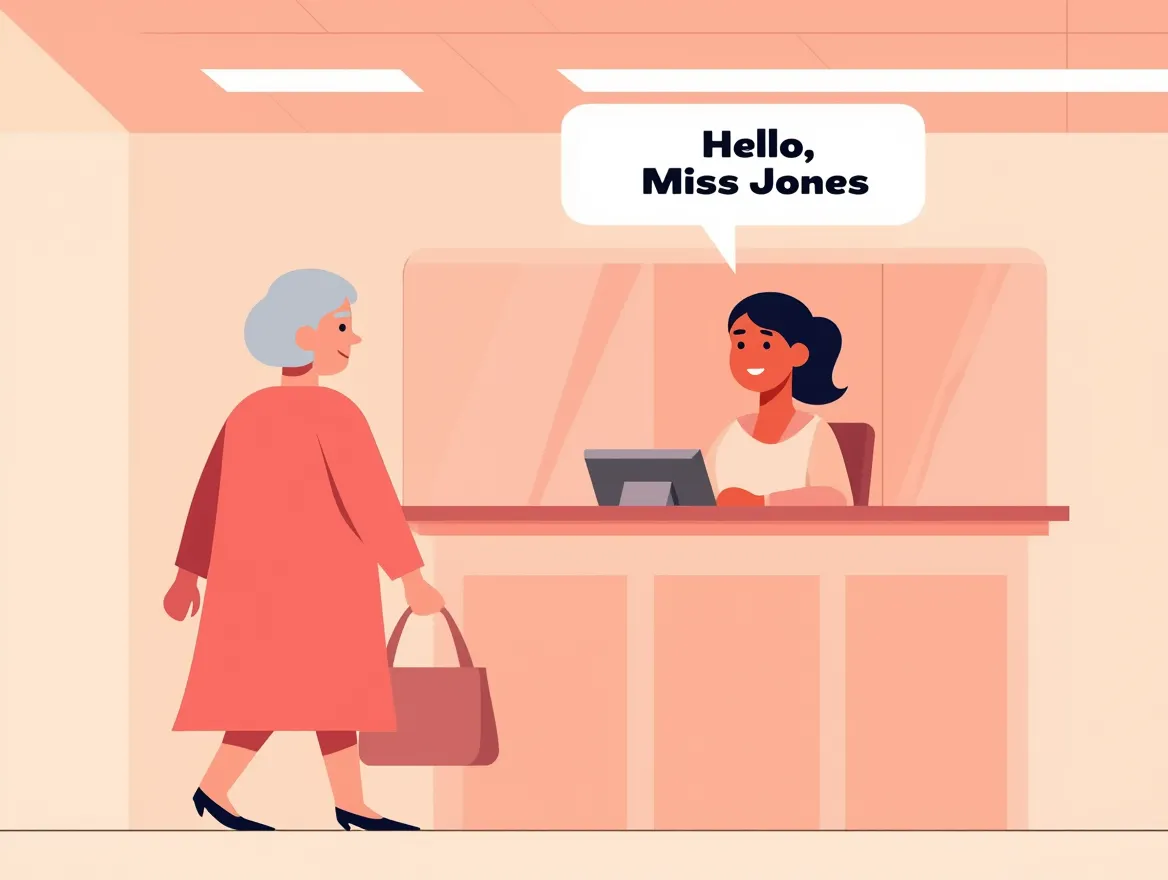
When you walk into your local bank branch, is there anyone there who knows you by name? Well, if you do, hang on to that relationship because it might be worth its weight in gold.
As the scam world turns, a new piece from KFF Health News spotlights a shift happening on the QT inside banks and investment firms across the country: financial institutions are increasingly training their front-line staff to catch elder fraud before it happens — sometimes before customers even realize they're being targeted. Yes, you read that right – before it happens.
In our new world of scams, Seniors are getting handed their head and losing their billfold by the millions – no, make that by the billions.
KFF Health News and the FTC reported losses of $2.4 billion in 2024 alone, driven largely by investment scams, romance fraud, and impersonation schemes — with the real total almost certainly much higher, since shame keeps many victims from ever reporting.
The teller who stopped a $250,000 theft
The KFF piece opens with a nice little lady from Rhode Island. This 76-year-old retiree got a call from a man who said he was a "federal investigator." And like most of us would do, she paid attention because if someone says they're from the government, it's probably important.
This "investigator" spewed forth a litany of important personal info: her late husband's name, her address, her entire history. And, then, his threat: she could hire an expensive criminal defense attorney — or cooperate with him.
She (gulp) cooperated.
His first target was her Fidelity Investments account, where he directed her to move roughly $250,000 into her checking account under the cover story of a real estate purchase. But the scheme blew up in the scammer's face when a Fidelity adviser said the transaction couldn't be approved without more property details.
That adviser's training — not luck — stopped the theft.
 Gary P Guthrie
What banks are actually doing
KFF notes that more than 1,500 financial institutions have enrolled in BankSafe, a free AARP video program that teaches branch employees to recognize red flags of elder exploitation and step in. It took nearly 8 years for BankSafe to gain serious traction, but it's now on good footing and doing good for Seniors.
One reason banks are well-positioned to help: some older customers visit their bank far more often than they see a doctor, making tellers an unexpected but logical first line of detection.
The approach is also practical. About half of states now allow financial institutions to flag suspicious transactions and impose temporary holds — creating what experts call "friction."
The logic? It slows things down, gives the scammer just enough of a scare to move on, and gives the potential victim time to think twice.
Congress is moving, too
Congress is at molasses speed these days, but there are several bipartisan bills are currently working through Congress. The National Strategy for Combating Scams Act would require the FBI to coordinate federal efforts specifically aimed at protecting seniors.
Still another bill would restore an IRS deduction giving scam victims some relief from paying taxes on money they've already lost.
Neither is law yet — but the bipartisan support is notable in a deeply divided Congress. Keep your fingers crossed.
 Smart Senior Daily Staff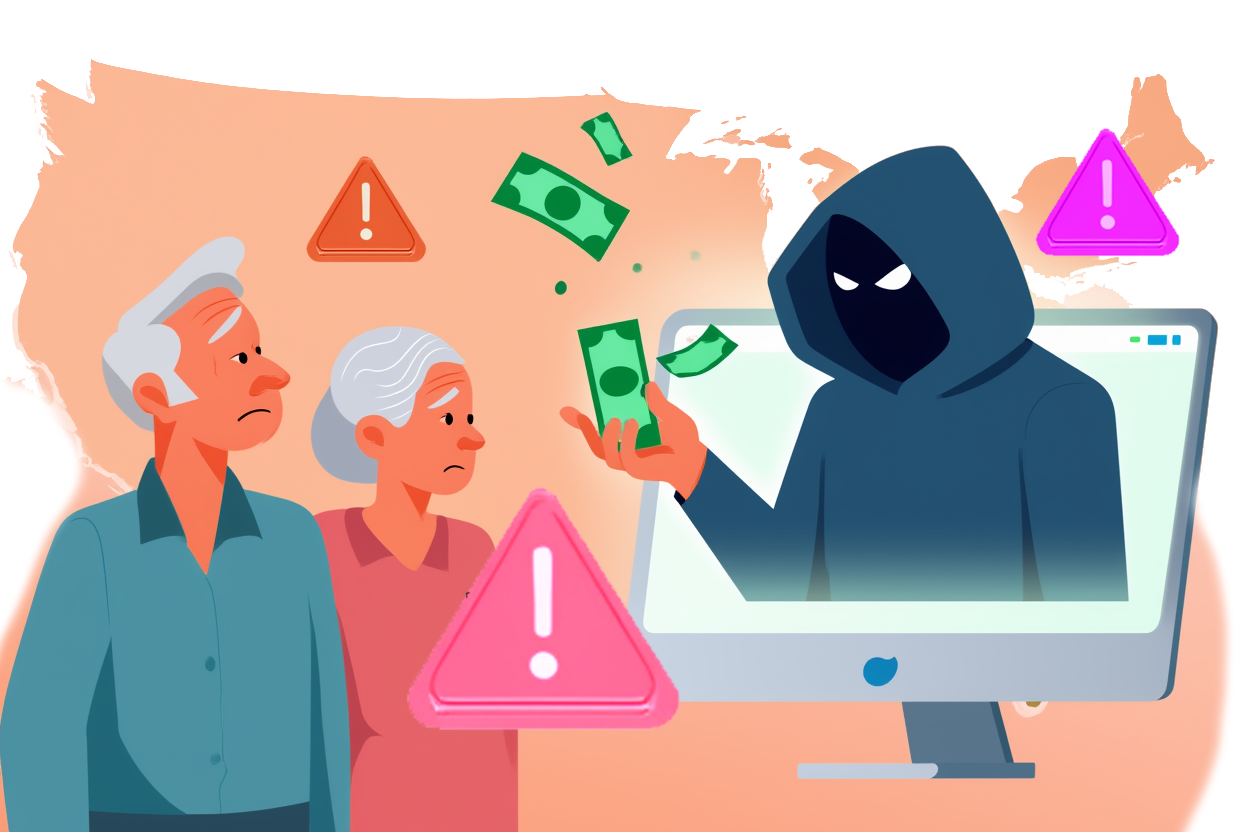
The threat keeps evolving
Even as banks get smarter, so do the criminals. AI voice cloning now lets scammers impersonate a grandchild so convincingly — complete with the right voice, the right urgency, the right story about needing gift cards — that even alert seniors can be fooled.
What you can do
If you haven't already, ask your bank whether they've trained staff on elder fraud. Set up a trusted contact on your accounts — a family member or friend the bank can reach if something looks off.
And if you ever feel pressured to move money quickly, for any reason, hang up and call your bank directly using the number on your card.
The fraudsters are counting on you to act fast. Don't.
Source: KFF Health News