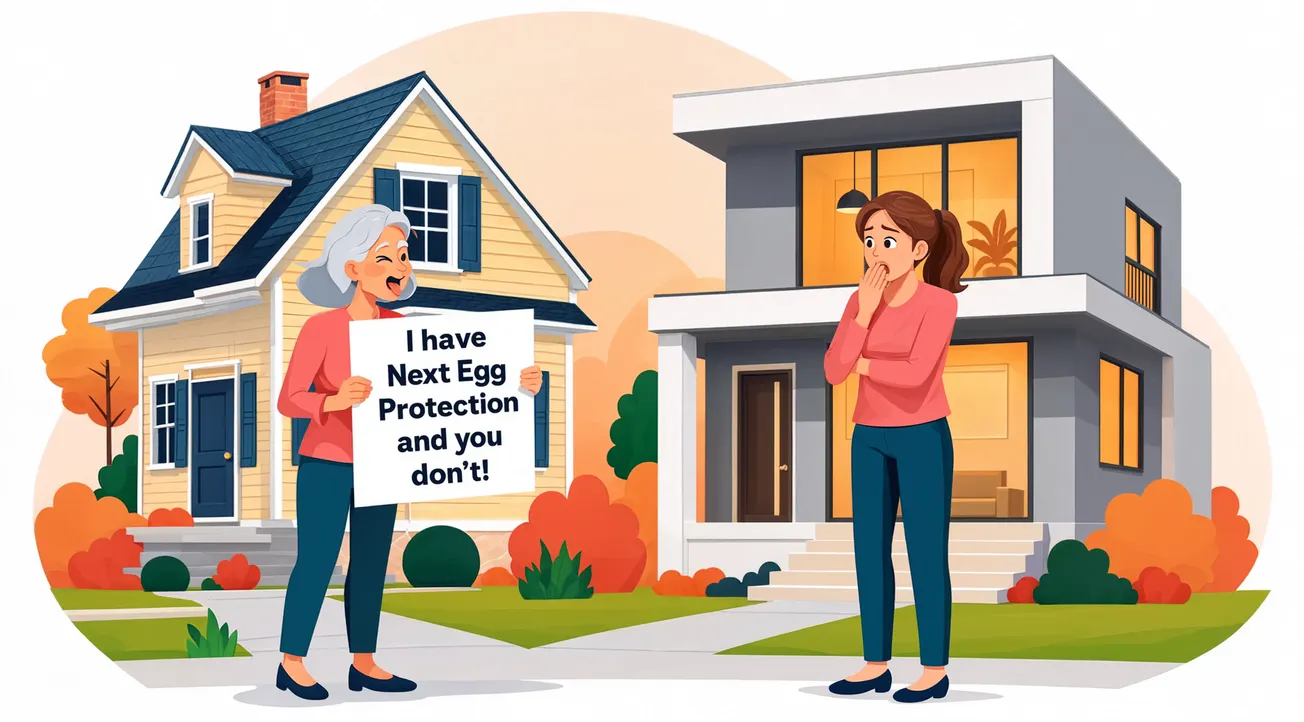
If you're like many folks aged 65 and up, you're part of the 54% who have owned their homes for at least 23 years or one of the 35% who have owned their own place for 33 years or longer.
And hanging on to that house for that long was smart. Thirty years ago, the average home in America sold for somewhere in the neighborhood of $153,000. Today, that figure is closer to a half-million dollars.
On paper, those numbers look big and inviting. But you probably already know the catch: if you decided to sell today, that same appreciation that grew your net worth would show up as taxable profit—and a lot of it could land above the federal tax exclusion that's supposed to protect you.
Here Comes the Nest Egg Protection Act
Rep. Nicole Malliotakis (R-NY) has introduced the Nest Egg Protection Act (H.R. 9064) to cut capital gains taxes for seniors selling their homes. The bill is a boulder-size "if," but if it's enacted, it would temporarily raise the capital gains exclusion to $1 million (for both individuals and married couples) for home sales between 2027 and 2030.
To qualify, a homeowner would need to meet two criteria:
- Age: Be 65 or older
- Ownership length: Have owned and lived in the home as their primary residence for at least 25 years
The first condition will come naturally, but it's the second condition you need to sweat. Let's say you're a 70-year-old who bought their current home 15 years ago. In that case, you wouldn't qualify, even though you're well past 65.
A "Housing Fix," Not a "Tax Break"
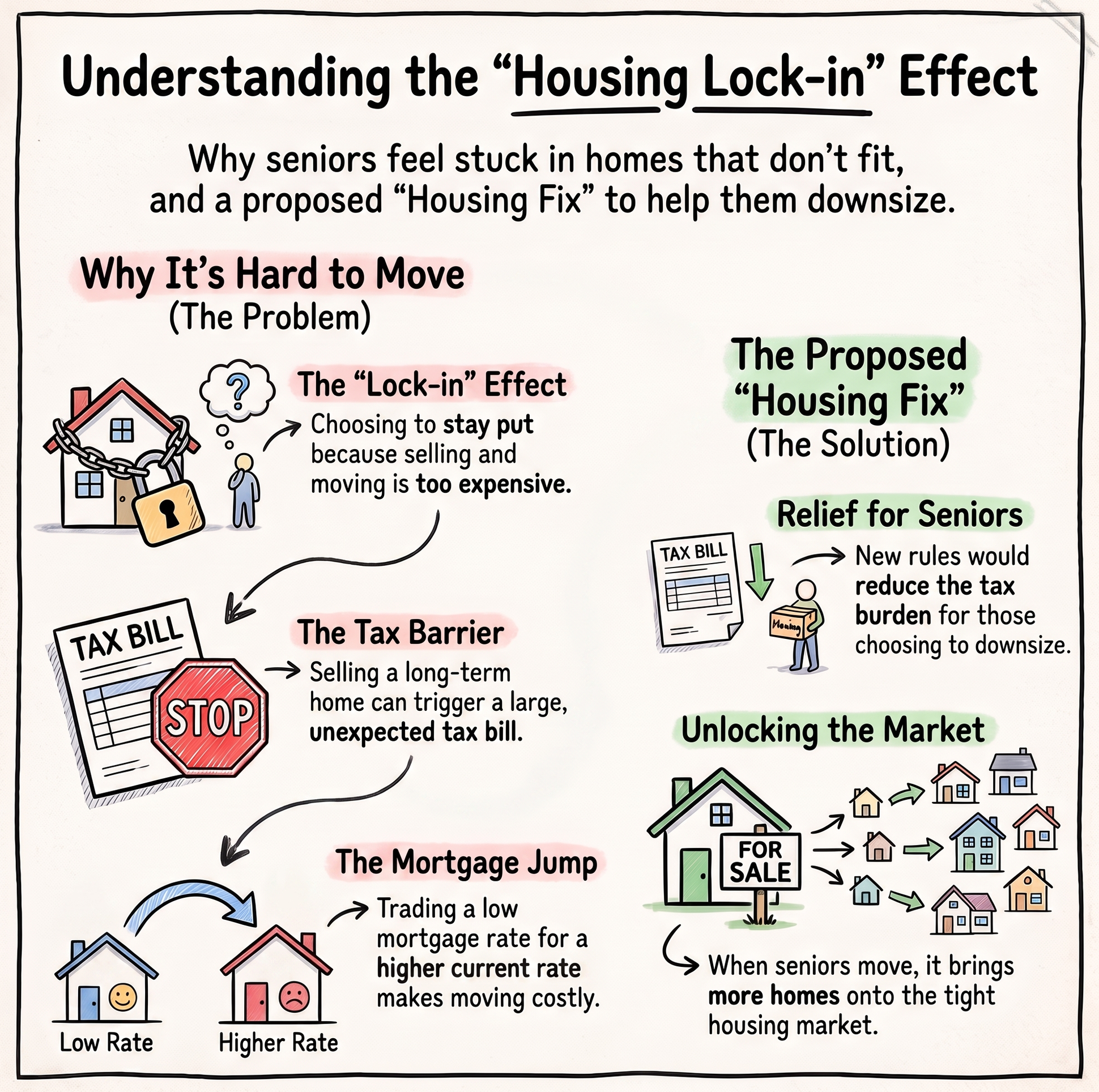
Supporters, including real estate groups, are pitching this as a two-for-one: first, there's relief for seniors, and second, a nudge that could bring more homes onto a tight market.
Economists call the current pattern the "lock-in "effect"—homeowners who'd otherwise downsize choosing to stay put because selling triggers a tax bill and a move often means a higher mortgage rate on whatever comes next.
This graphic explains how it works...
Will It or Won't It Work in Your Favor?
To make things easy, SSD developed this quick little tool that will help you find out if it will or won't work in your favor if this bill goes through.
Would You Qualify for the $1 Million Exclusion?
This bill hasn't passed yet. Use this tool to see where you'd stand if it does — and where you stand under today's rules.
This is an educational estimate, not tax advice. H.R. 9064 has been introduced in Congress but has not passed. Talk with a tax professional before making a decision about selling your home.
What This Bill Does Not Do
Ben Mizes, a real estate agent and president of Clever Real Estate, put it plainly:
"This bill is not law, and seniors should not make a home-sale decision as if it already exists... This is a short, targeted, tax break for senior homeowners who have likely owned their home for decades."
What to Do in The Meantime
If you are itching to selling to tap into equity, Cara Ameer at Coldwell Banker Realty told Smart Senior Daily that her advice would be to relocate to a lower-cost property and/or area, rightsize, downsize, etc.
"This could be a good window of opportunity if this legislation passes. But it has not passed yet, so I would not make any moves based on the beneifts if you qualify until it does," Ameer said.
"Now would be a good time to talk with a real estate agent to get an idea of the price range of your home if you were to sell and what your net proceeds would look like, along with the cost of where you would go"
That "cost of where you would go" is much weightier than you think, she said, because of the variables between renting, moving out of state or to an active adult community or assisted living, rightsizing, downsizing, etc.
"This way you will be prepared should this legislation pass, as it can be difficult to time a move based on external factors like banking on this bill passing. Should it become law, it could unlock the housing market and cause a mini boom with people taking advantage of this window of opportunity," Ameer commented.
Mizes's added in this advice: get a CPA involved before listing, not after, and don't bank on the bill passing. As he puts it, it "would likely increase the housing supply, but it shouldn't keep seniors from moving."
We'll keep tracking H.R. 9064 as it moves—or doesn't—through Congress. Smart Senior Daily will update this piece if the bill advances out of committee.