

Social Security Announces 3.6 Percent Benefit Increase for 2027
About $75 per person a month more
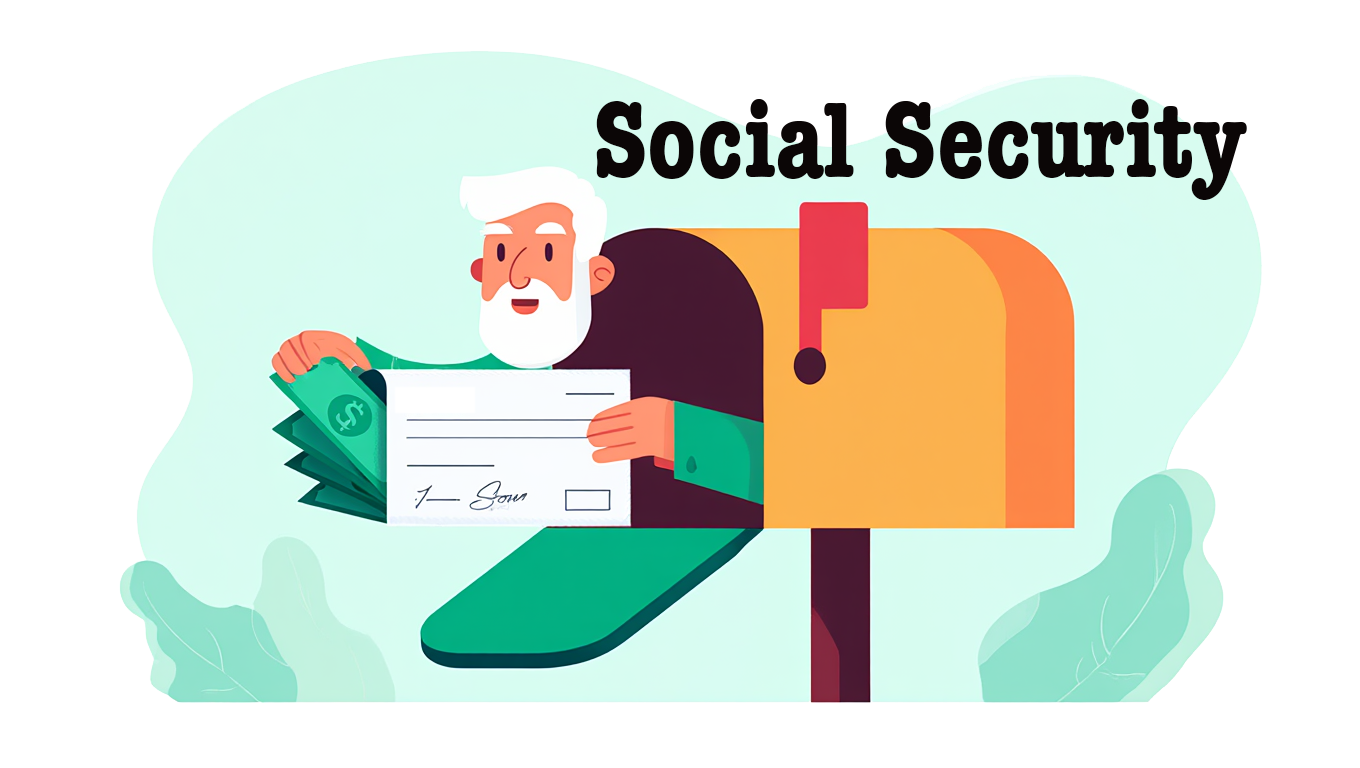
Social Security plays an important role in assisting seniors to keep their financial stability secure during retirement. We offer useful, really practical information about Social Security benefits for seniors, such as guidance connected to Medicare, survivor benefits, retirement payouts, and disability programs. Our main objective is to help retirees make sense of their options and, in a practical way, choose smarter financial decisions.
Read More
About $75 per person a month more

The one sure way to find out is to call the SSA. Here's their phone number.
Included: updated list of drugs whose prices will be coming down

More for you, yes, but keep in mind that Medicare will have its hand out asking for more, too.
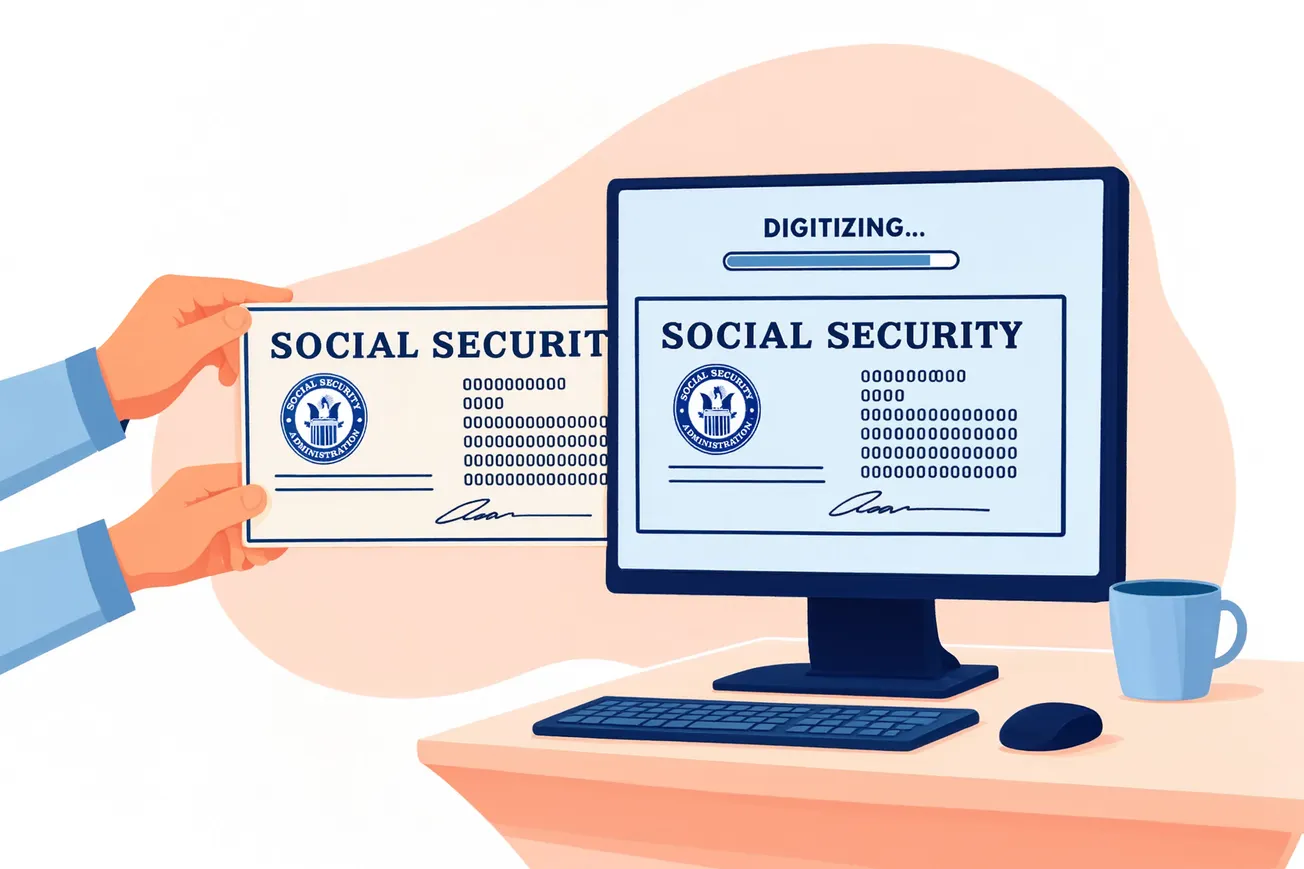
Can't make the switch because of illness, etc.? The U.S. Treasury is happy to help with electronic payments.

How's your life going to be without $500 in benefits every month ($6k a year)?
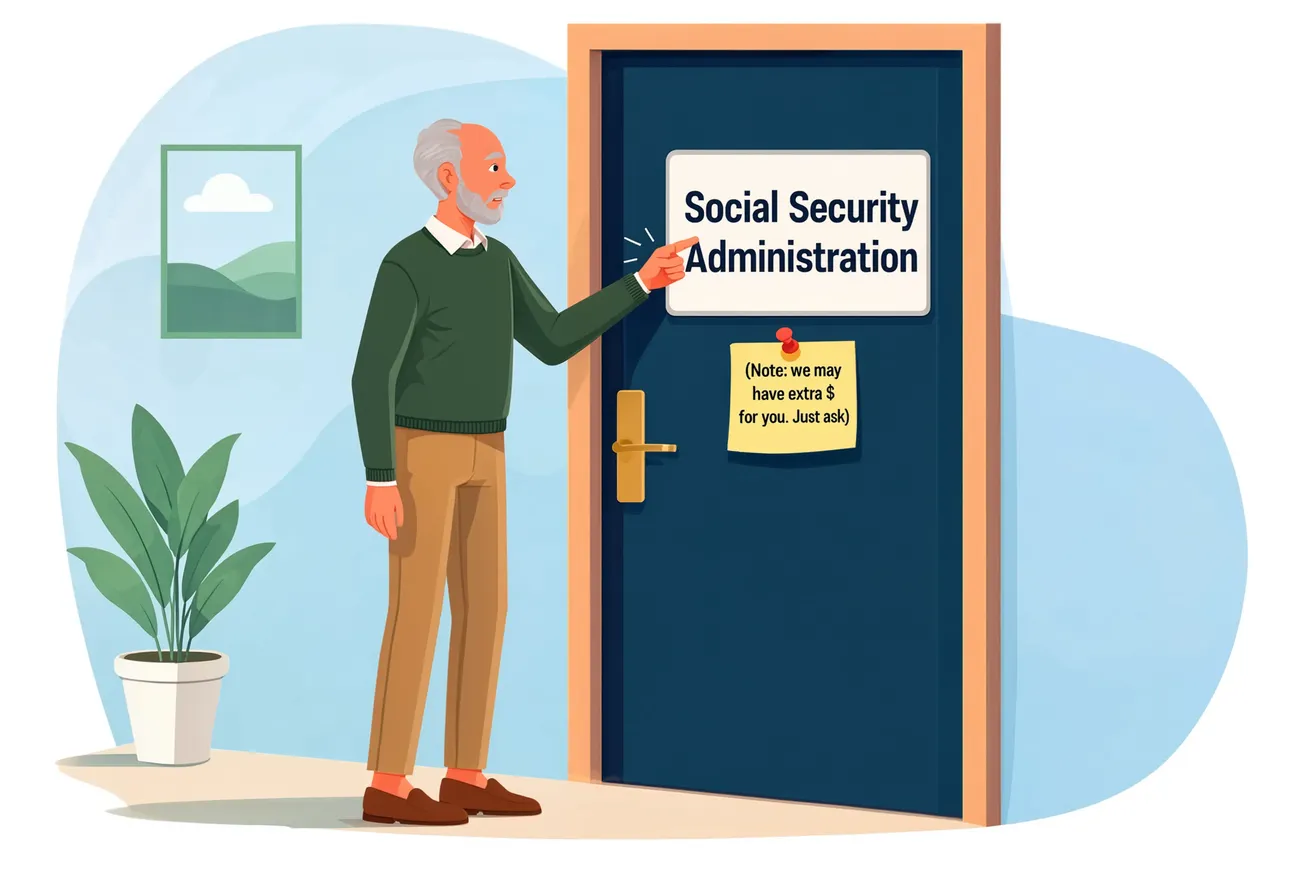
We're talking nearly $12k in some cases.
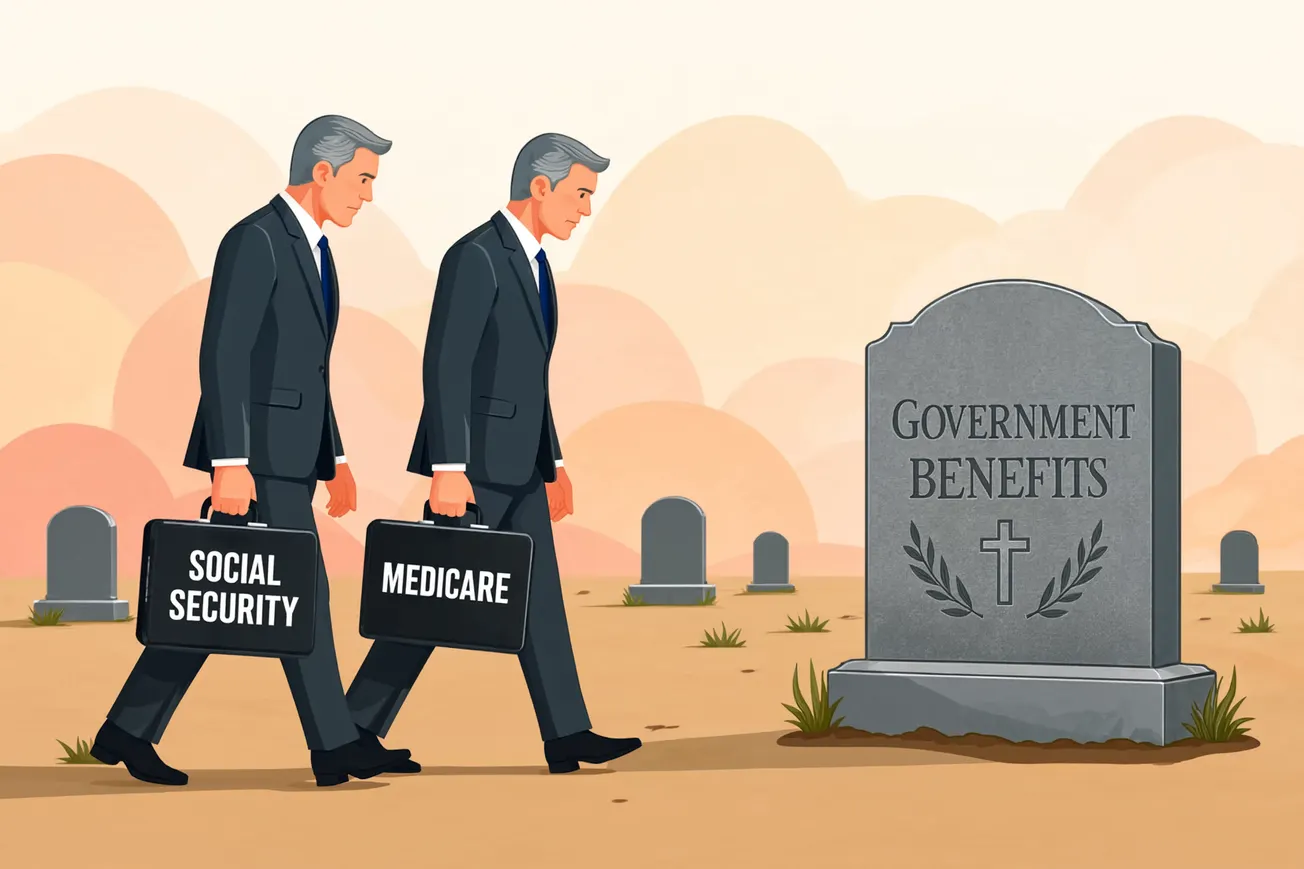
New trustees Report confirms what experts have been warning — and Washington has been ignoring.

What can you do? A financial/SSA expert explains
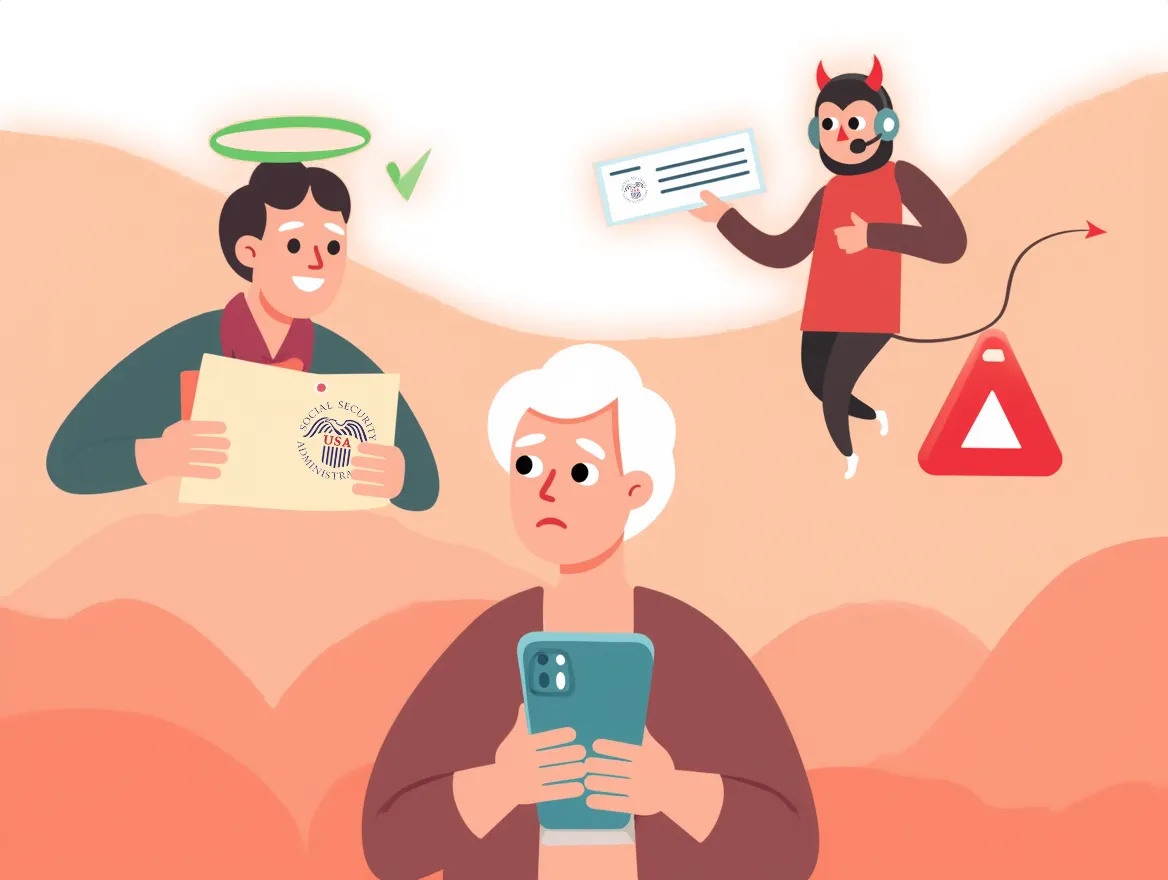
Social Security creates opportunities for misleading services. Do you know the red flags?

Some people may be eligible for over $1,000 more each month
Freezing your credit until someone really needs it would be smart.
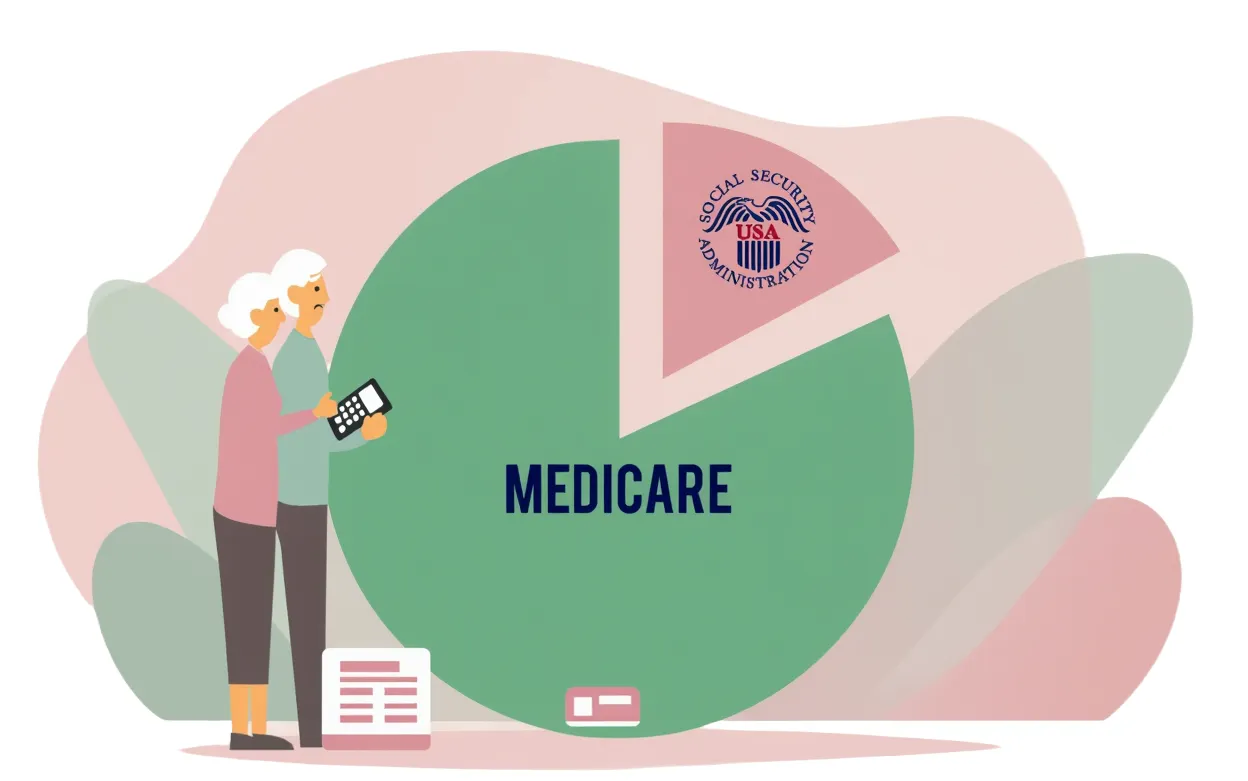
There's a built-in safeguard called the "hold harmless" provision you should consider using

What if I can't afford to pay the full amount I owe? Here's the answer...

Bonus included: all the dates for the rest of the year

Teachers. Firefighters. Police officers. Federal, state, and local government workers all may be getting MORE money
Social security benefits for seniors are basically monthly checks paid by the government to people who qualify, like older retirees, certain disabled individuals, and even surviving family members. They are meant to help cover retirement income, as well as day to day living expenses, you know the basics.
Seniors can apply over the phone, online on the Social Security Administration website, or in person at a local Social Security office.
Retirement benefits, disability benefits, survivor benefits, Medicare assistance, and Supplemental Security Income (SSI) for qualified low-income seniors, are examples of programs or support in general.
Yes, many seniors on Social Security can receive some extra financial help, usually through Medicaid, housing support, food programs, and help with utility bills, plus local elder services that are kind of supportive in their own way.
The complete retirement age is determined by the year of birth, however most seniors can start receiving reduced retirement benefits at age 62.
Social Security benefits tend to be maximized by delaying retirement benefits, checking the earnings records, getting a clear handle on spousal benefits, and doing careful planning for retirement income, so it all sort of works out in the end.