The Takeaway
- Social security help for seniors is available from legitimate, free sources
- You do not need to pay someone just to ask questions or file basic forms
- Some services use confusing language to sound official when they are not
- Help is most useful during life changes, appeals, or complicated situations
- Taking your time and asking questions is your right
If you’ve ever opened a Social Security letter and felt your shoulders tense, you’re in good company. The paperwork, the deadlines, and the unfamiliar language can make even confident people feel unsure.
The good news is this: social security help for seniors exists, and much of it is trustworthy, free, and designed to help you — not rush you. Knowing where to turn, and who to avoid, can make the process far less stressful.
When Social Security Help Is Actually Needed
Not every situation requires outside help. Many seniors successfully handle routine matters on their own.
You may want extra support if:
- You’re applying for benefits for the first time
- Your circumstances have changed (retirement, disability, loss of a spouse)
- You’ve received a denial or confusing notice
- You’re helping a spouse or family member with a claim
Seeking help is a practical step, not a sign of weakness.
 Smart Senior Daily Staff
Legitimate Sources of Social Security Help
Social Security Administration (SSA)
The SSA is the official source for information and assistance.
They can help with:
- Applications and claims
- Questions about benefits
- Corrections to your record
- Appeals and next steps
SSA representatives do not charge fees for basic assistance.
You can find the nearest SSA office here.
Trusted Nonprofit and Community Organisations
Many community groups offer free or low-cost guidance, especially for older adults.
These may include:
- Senior centers
- Legal aid organisations
- Nonprofit advocacy groups
- Government-funded counselling services
- Free tax help (see our pick for the best option here)
They focus on explaining your options, not selling services.
Trusted Family Members or Advocates
Some seniors choose to have a family member or trusted advocate help manage paperwork or attend appointments.
This can be especially helpful if:
- Forms feel overwhelming
- Health or vision issues make reading difficult
- You want a second set of eyes and ears
You remain in control of decisions.
Smart Senior Daily Staff
Warning Signs to Watch Out For
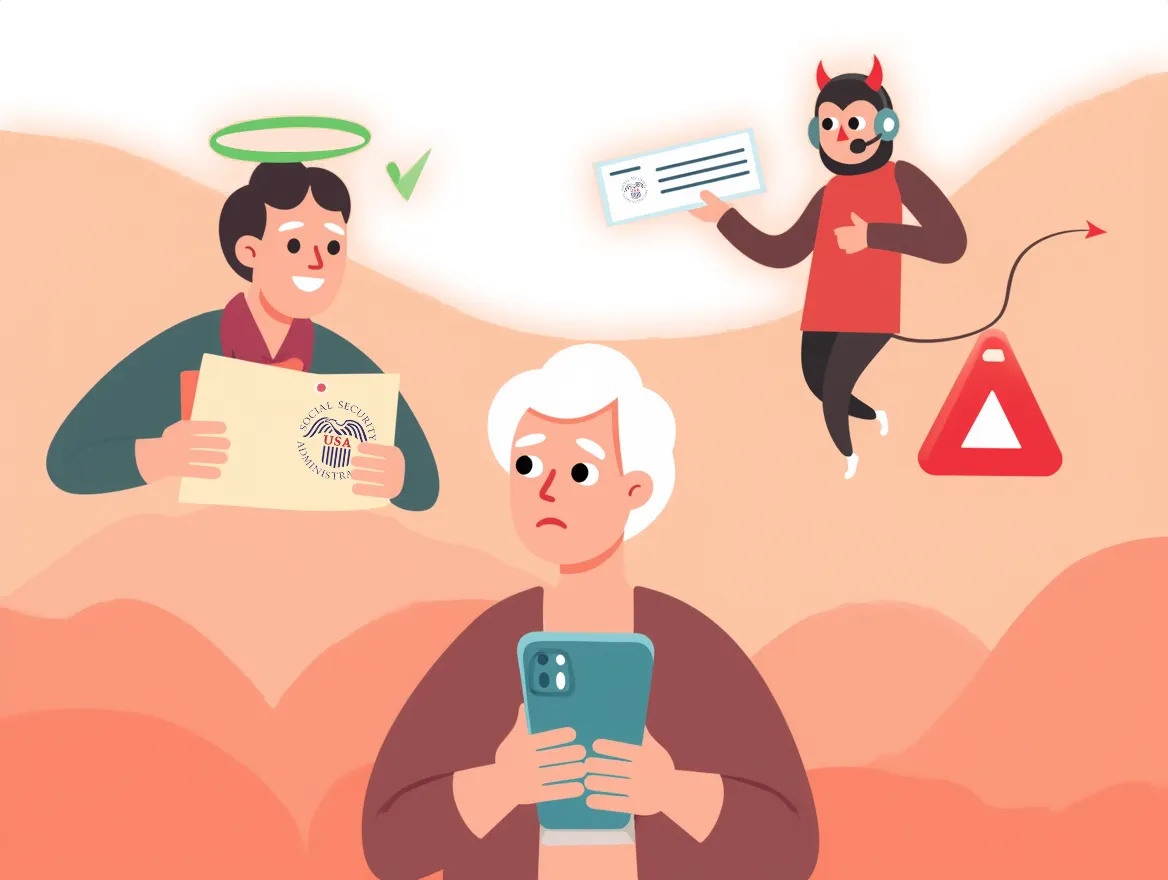
Unfortunately, confusion around Social Security creates opportunities for misleading services. Knowing the red flags is an important part of social security help for seniors.
Be cautious if someone:
- Claims they can “guarantee” approval
- Pressures you to act quickly
- Charges high upfront fees for basic services
- Uses logos or language that mimics the government
- Asks for your full Social Security number before explaining who they are
No one can bypass official rules or speed up the system for a price. Can you say "scam"?
Understanding Paid Help
In some situations, paid professional Social Security-related help can be legitimate, such as with appeals or complex disability cases. Even then, there are rules.
Important points to know:
- Fees are regulated and must be disclosed
- Payments often come only after approval
- You have the right to understand exactly what you’re paying for
If you don’t understand a contract, don’t sign it. Take time to review and ask questions.
Simple Steps to Stay in Control
You don’t need to become an expert to protect yourself.
Helpful habits include:
- Keeping copies of all paperwork
- Writing down names and dates of conversations
- Asking for written explanations
- Taking breaks when forms feel overwhelming
- Social security help for seniors works best when it supports your understanding, not replaces it.
Smart Senior Daily Staff
A Calm and Empowering Reminder
Social Security is a system you paid into over many years. Asking for help is your right.
You deserve clear answers, respectful treatment, and time to make decisions. When support feels rushed, confusing, or expensive without reason, it’s okay to step back.
With the right guidance and a steady pace, Social Security becomes manageable — one step at a time.