The Takeaway
- Free, official help exists for Social Security — and for most people, it's enough
- Paid help has a place, but only in limited, complex situations
- Promises of faster approval or guaranteed results are red flags
Deciding whether to pay for help with Social Security can feel overwhelming. Forms are long, instructions can be confusing, and mistakes feel costly. It’s no wonder many seniors wonder if paying someone might make things easier.
The truth is more balanced. Social security assistance for seniors comes in both free and paid forms, and each has a place — as long as you understand what you’re getting and what to watch out for.
What Free Social Security Assistance Exists
For many seniors, free help is not only enough — it’s exactly what the system is designed to provide.
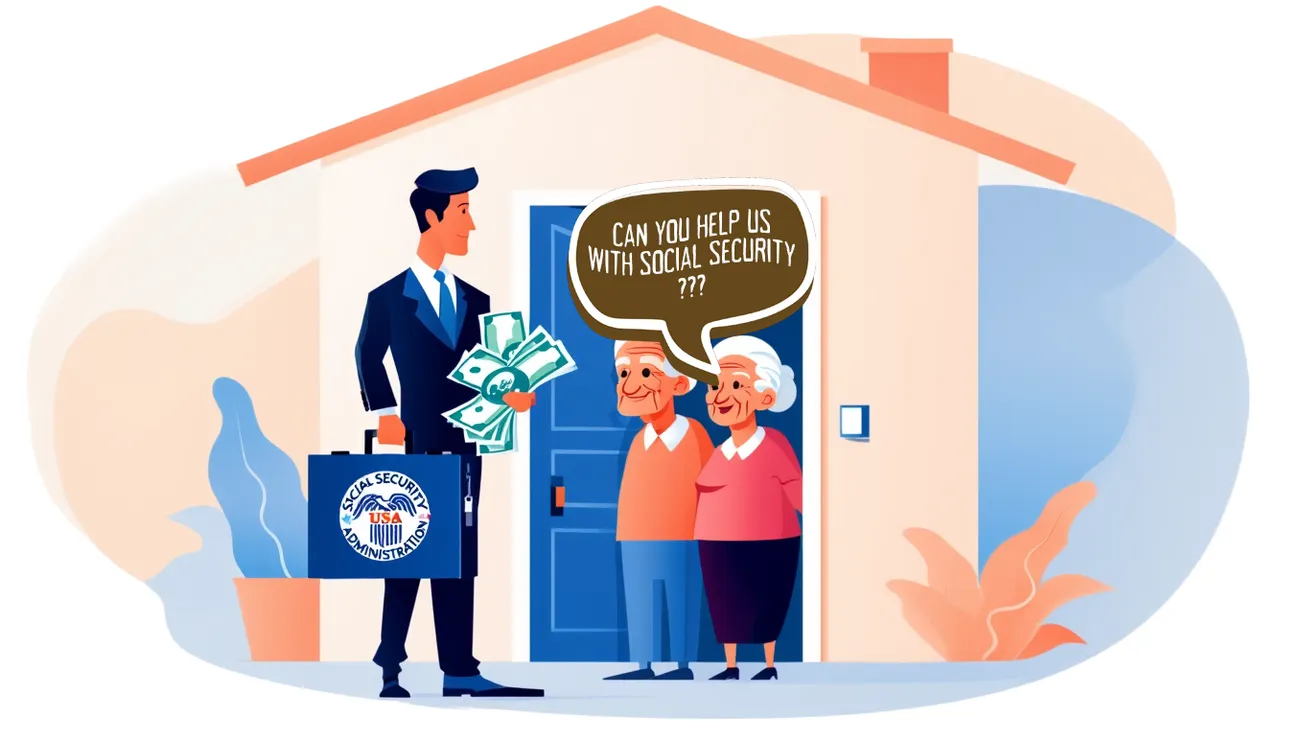
Official Social Security Support
The Social Security Administration (SSA) can help with four important things:
- Your application
- Explaining your eligibility
- Correcting your earnings records
- Answering questions about payments (when you'll get them, for example)
This help is all included as part of the system – 100% free.
Community and Nonprofit Support
Many communities offer additional free help through:
- Senior centers
- Nonprofit advocacy groups
- Legal aid services
- Government-funded counselling programs
These services focus on explanation and support, not selling outcomes.
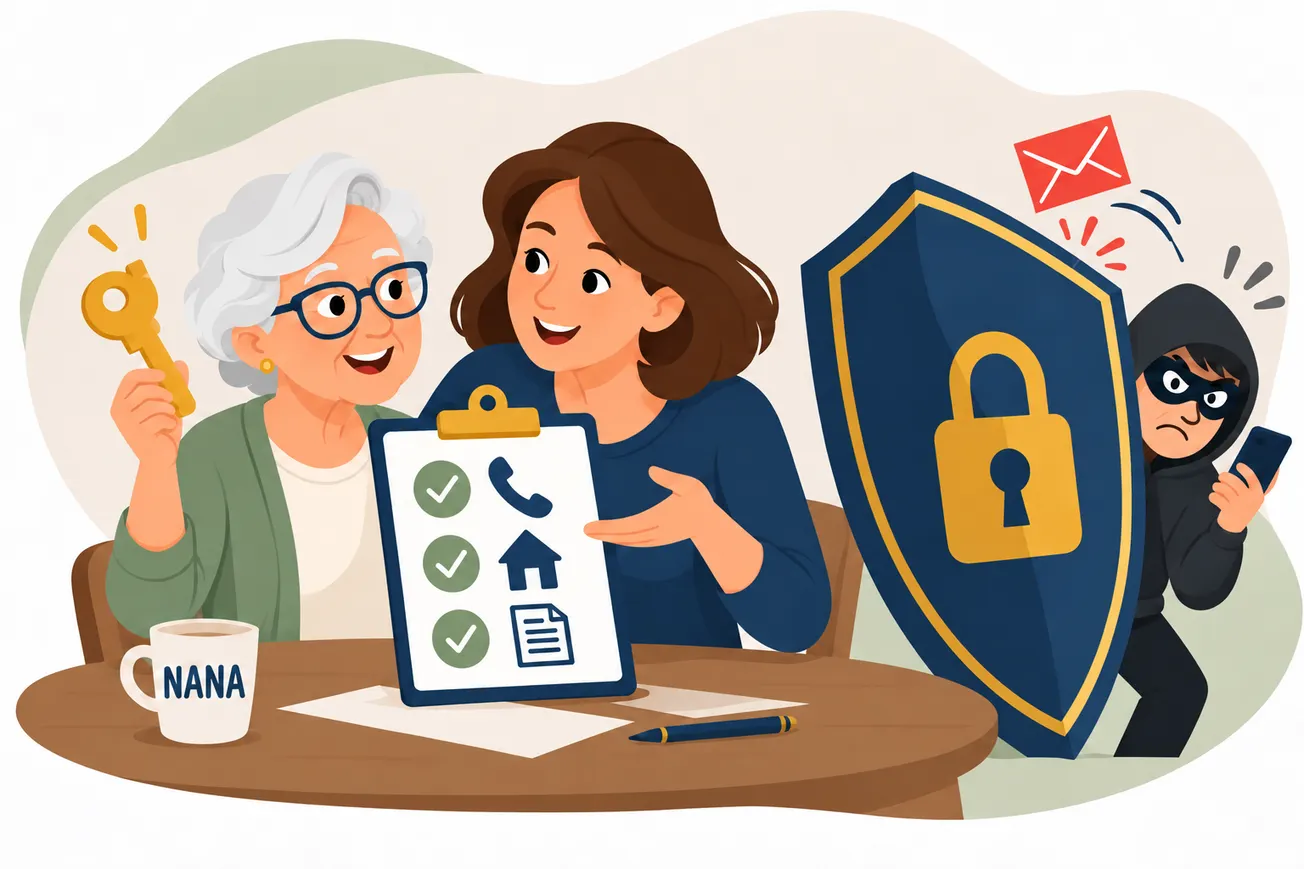
Help From Someone You Trust
There's probably a family member or trusted friend who's been down this road before and can help you:
- Help organize all the necessary paperwork
- Sit with you while you fill out the forms
- Take notes during phone calls to the SSA
People like to be asked to help. Use 'em and reduce some of that stress.
 Smart Senior Daily Staff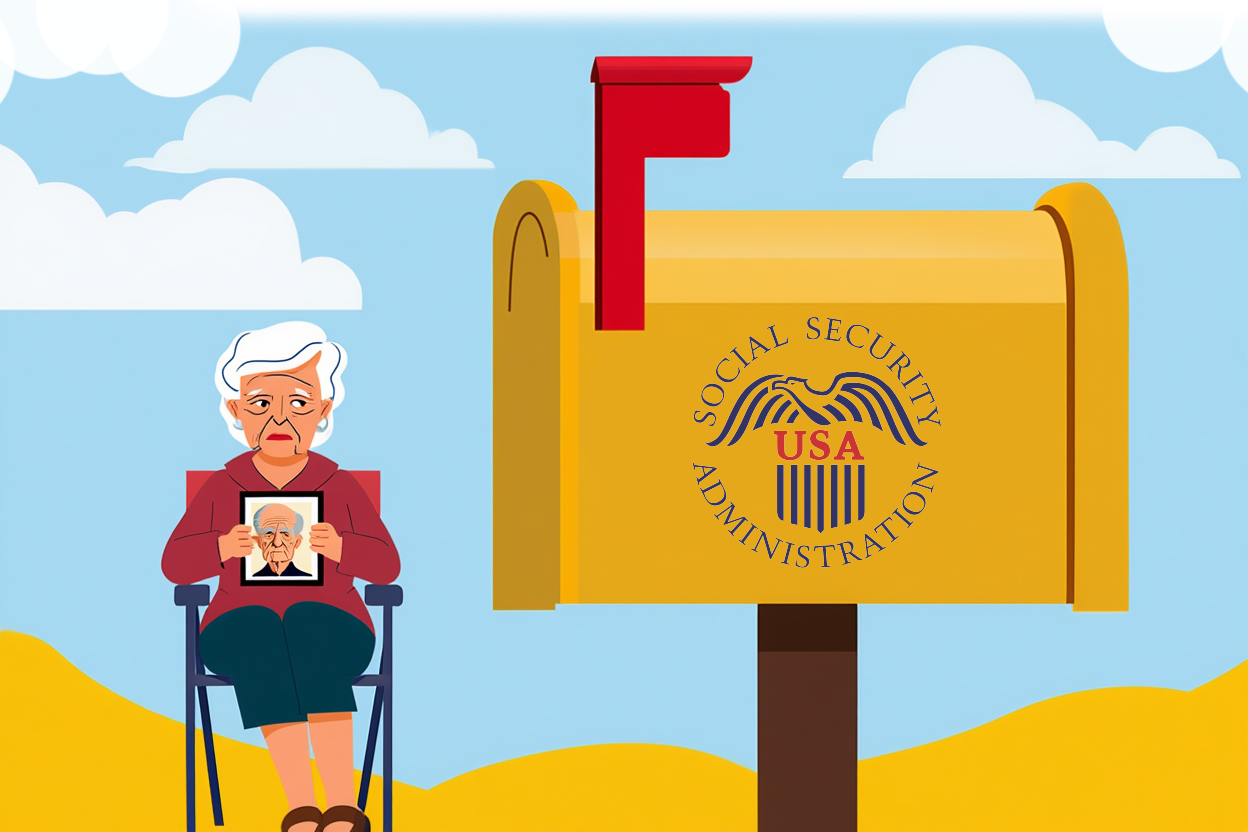
What Paid Services Often Claim to Do
Paid services usually market themselves as:
- Making the process “easier”
- Reducing errors
- Improving approval chances
- Saving time and frustration
Some of these claims may sound appealing, especially when paperwork feels overwhelming. However, it’s important to know that no service can change Social Security rules or guarantee approval.
🔽 FAQs: Questions to ponder when thinking about using "paid Social Security assistance"
You’re trying to maximize lifetime benefits and can't make up your mind about...
- Deciding when to claim (62 vs. full retirement age). It can mean tens of thousands of dollars difference
- The rules of what's what if you're married vs. widowed (like switching to survivor benefits) or you have a longer life expectancy
Those are the two most important scenarios when paid advice can pay for itself because SSA reps don't really like to guide strategy when talking to a recipient.
Are you still working -- or plan to?
- There are limits on what you can earn before full retirement age and they can reduce benefits temporarily
- Also, how much you earn can make a difference on your taxes
That's where a professional can help you avoid things like unexpected benefit reductions or higher tax hits
The same is true with other income...
- Pensions
- IRAs and 401(k)s
- Investments
You’re dealing with an SSA denial or problem with the agency
- Disability claim denied? A pro could help
- Overpayment notice? Again, paid advice can keep you out of trouble
- Benefit calculation seems wrong? A pro may know how to navigate the waters and get that corrected
 Smart Senior Daily Staff
How to Evaluate Value vs Risk
Before paying for social security assistance for seniors, ask yourself a few key questions:
- What specific service/advice am I paying for? Have them write it down or send to you in an email.
- Could this be handled with free assistance first? Search that question on the web (here's a search request we did)
- Are fees explained clearly and in writing?
- Do I feel pressured or rushed?
If the answers feel unclear, it’s okay to pause.
Warning Signs to Take Seriously
Be super cautious (don't be shy to ask questions) if a service or a so-called professional:
- Promises you a slam-dunk guaranteed approval
- Claims that they have "special access" to the system (no such thing)
- Wants you to pay up front
- Uses language that sounds “official” but you're not really sure whether it is or not (make a note of what they're saying, then go check it out in a web search)
Clear, respectful help never, ever relies on pressure.
 Smart Senior Daily Staff
Staying Confident and In Control
Know this: Social Security isn't easy to understand – and may be complicated by design (thank you, Congress). So if you think you're failing or behind, you're not. You haven't done anything wrong – it's just a can of worms that we all have to try and get our heads around.
Fighting against the pushback
The Social Security Administration swears up and down that its customer service has gotten much better. They may be making that claim because, reportedly, the agency is using AI (artificial intelligence) to help try and make things better. That has created problems for some people, but there are (apparently) ways to get past anything the AI is doing that frustrates you. Watch this...
But if you still can't get someone at your SSA office or on the phone that explains things in a way that overwhelms you and talks down to you, disrespectfully, don't give up – email them.
If you're still not feeling good about the advice you're getting, then a professional may be worth the money they charge.
Just remember – this is your money, you have a right to clear answers, and you're in control.