Many seniors carefully plan for aging, especially around medical care and treatment.
However, staying healthy is about more than medical treatment and doctor’s visits (though, they are important). Staying healthy includes paying attention to and addressing small, non-medical challenges that limit independence.
✔️ Laundry becomes harder to manage.
✔️ Grocery trips feel overwhelming.
✔️ Meals are skipped.
✔️ Getting outside happens less often.
Over time, these changes can affect strength, nutrition, and confidence—all factors closely tied to health outcomes. A growing body of recent research suggests that the ways both everyday support is delivered at home and in medical settings can improve health and wellbeing outcomes for seniors. It’s called age-friendly care.
Enter "Age-Friendly Care"
Age-friendly care is a growing approach designed to keep older adults healthier by focusing on what matters most in daily life. Age-friendly care is built around what’s known as the 4M Framework:
What Matters
Understanding a person’s priorities and goals such as staying socially active, walking a mile each day, or making it to grandchildren’s activities.
Mobility
Supporting safe movement so people can continue doing everyday activities.
Mentation
Paying attention to memory, mood, and emotional well-being.
Medications
Making sure medications are managed safely and don’t interfere with daily life.
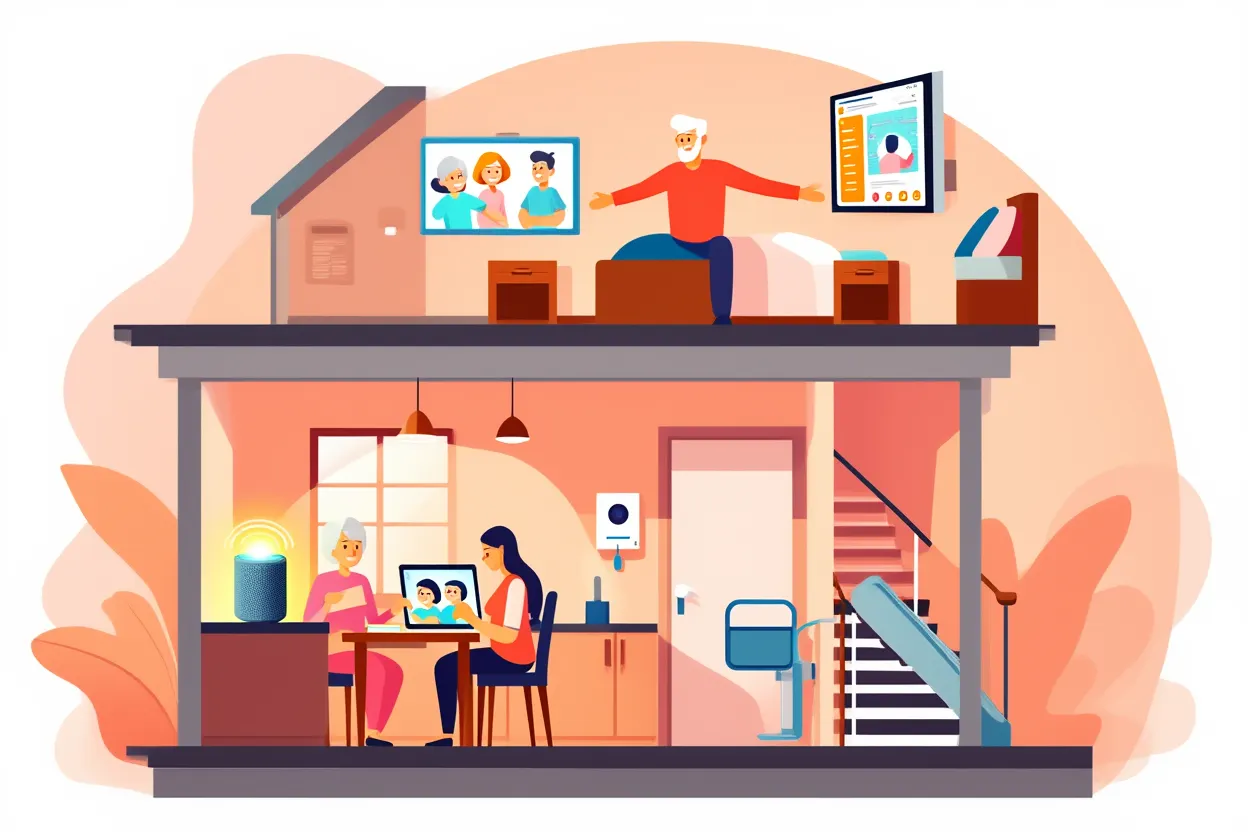
While this framework began in hospitals and medical practices, many of its most practical applications happen at home where routines are lived out day by day, and where seniors spend most of their days.
 Gary P Guthrie
Data-Backed Outcomes of Age-Friendly Care
My colleagues and I at Senior Helpers, along with our partners at CHAP, wanted to see how applying age-friendly care at home affects everyday functioning and indicators of independence.
We published a recent evaluation in the Journal of Gerontological Nursing, analyzing more than 11,000 seniors receiving non-medical, age-friendly–trained home care. The findings showed improvements in several areas directly related to independence:
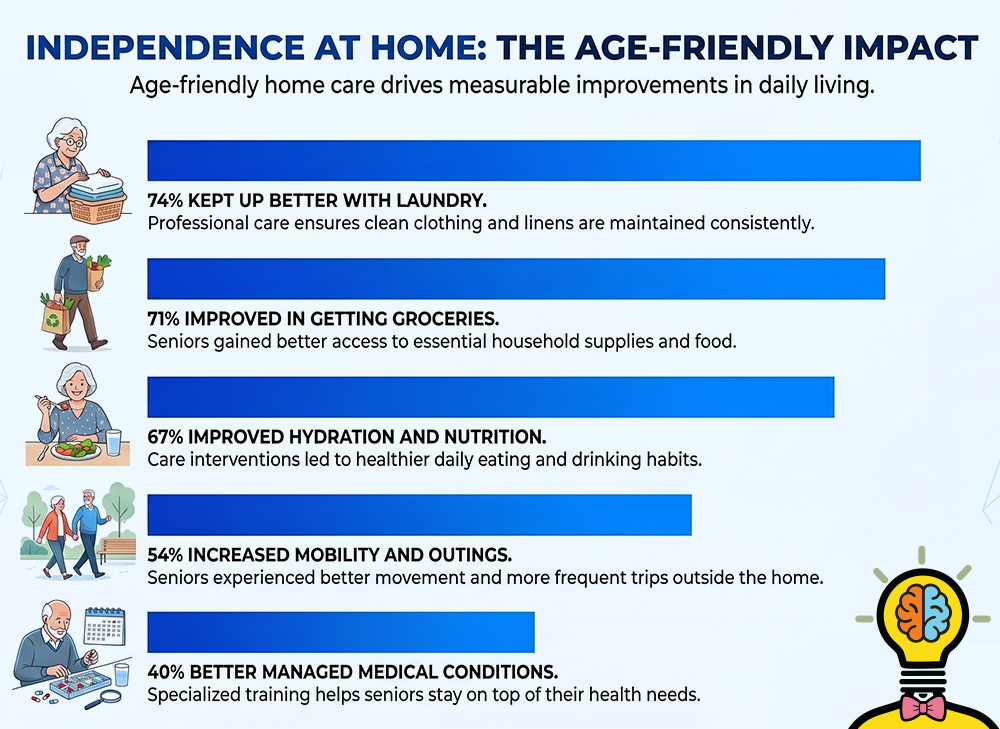
These are not dramatic medical interventions. They are practical changes that affect how people live day to day.
Why These Improvements Matter
Each of these areas connects back to the 4Ms. Moving during regular activities and a caregiver ensuring PT exercises are done improves mobility. Nutrition improves when meals and hydration are supported consistently. Managing medical conditions becomes easier when routines are stable and changes are noticed early.
But most importantly, these areas maintain and support what matters to a senior—whether that is walking around the neighborhood or attending every grandchild’s basketball game. When we can focus on attaining the goals that improve our lives, everything can improve.
Smart Senior Daily Staff
What This Means for Seniors and Families
Aging well is not only about adding years but also maintaining quality of life along the way. Age-friendly care offers a practical framework for doing just that, especially when it extends into the home. It reinforces independence by supporting the things that matter.
When seniors or families are curious about age-friendly, in-home care, consider the following:
- Are personal goals (more than just basic needs) a priority of the care?
- Does the care support daily routines or simply check off tasks?
- Are changes in mobility and mood noticed, documented, or communicated?
Research is not complete in this field, but our current data shows consistent age-friendly care can help seniors stay independent and remain engaged. For many older adults this isn’t just help, it’s what matters most.