The Takeaway
- Small daily changes can make life noticeably easier
- Elderly care tips work best when they support independence
- Reducing stress improves comfort for both seniors and caregivers
- Simple routines and adjustments protect dignity and confidence
- The goal is easier days, not big overhauls
Daily life does not need to become complicated as we age. In fact, many elderly care tips focus on small, thoughtful changes that reduce stress, improve comfort, and help seniors maintain independence and dignity.
This article is written for seniors and informal caregivers—family members, friends, or neighbors—who want practical ideas that fit into everyday life. These tips avoid medical or institutional care and focus instead on making daily routines smoother and more manageable.
Small Changes With a Big Impact
Some of the most effective elderly care tips are surprisingly simple. They do not require major expenses or lifestyle changes.
Examples of small adjustments that can help include:
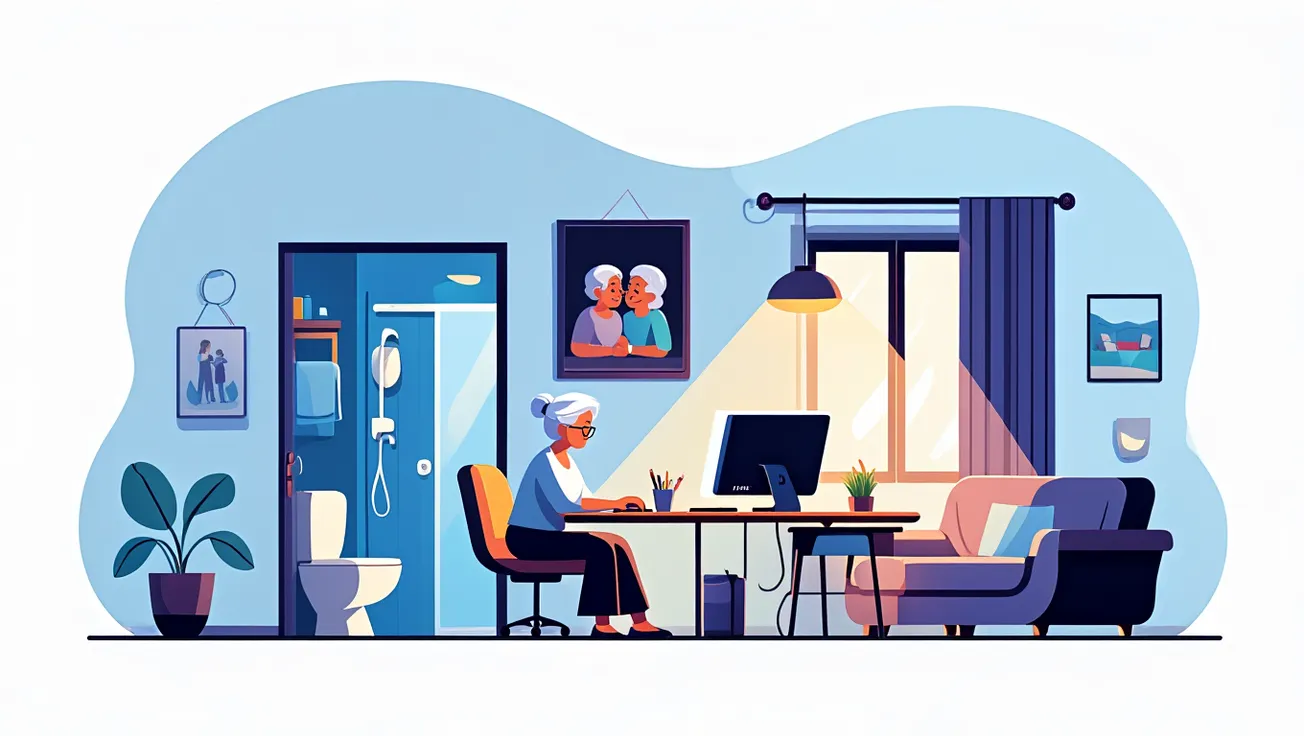
Keeping frequently used items within easy reach: Reduces bending, stretching, and frustration so you can reduce the chance of falling.
Improving lighting in key areas: Better lighting in kitchens, hallways, and bathrooms can make tasks safer and easier.
Using clear labels or simple organization systems: Helps reduce confusion and saves time.
Choosing comfortable, easy-to-wear clothing: Clothing that is simple to put on and remove can make mornings less stressful.
Setting gentle daily routines: Predictable routines can make the day feel calmer and more manageable.
Get a medical alert device: Things happen and it's nice to know that a click of a button can get you help quickly.
These small steps often lead to greater confidence and comfort.
 Gary P Guthrie
Supporting Independence and Dignity
A key goal of elderly care tips is helping seniors stay independent for as long as possible. Independence is closely tied to dignity and self-esteem.
Ways to support this include:
Allowing extra time for tasks: Rushing can increase stress and reduce confidence.
Encouraging choice whenever possible: Simple choices—what to wear, when to rest—help seniors feel in control.
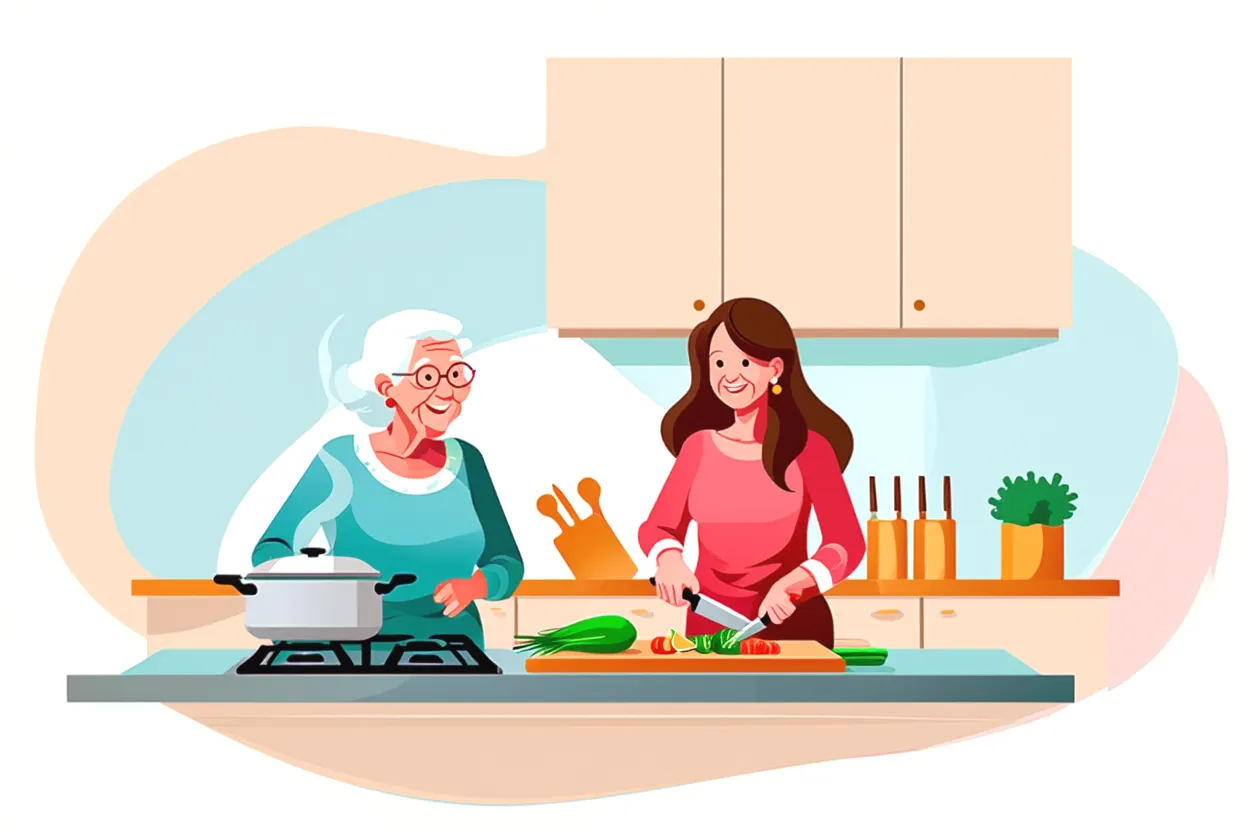
Adapting tasks instead of taking them over: Small adjustments can make tasks doable without removing independence – especially if you're moving to another home or a community.
Respecting privacy: Privacy during personal routines reinforces dignity.
Care that supports independence feels empowering rather than limiting.
Reducing Daily Stress for Seniors and Caregivers
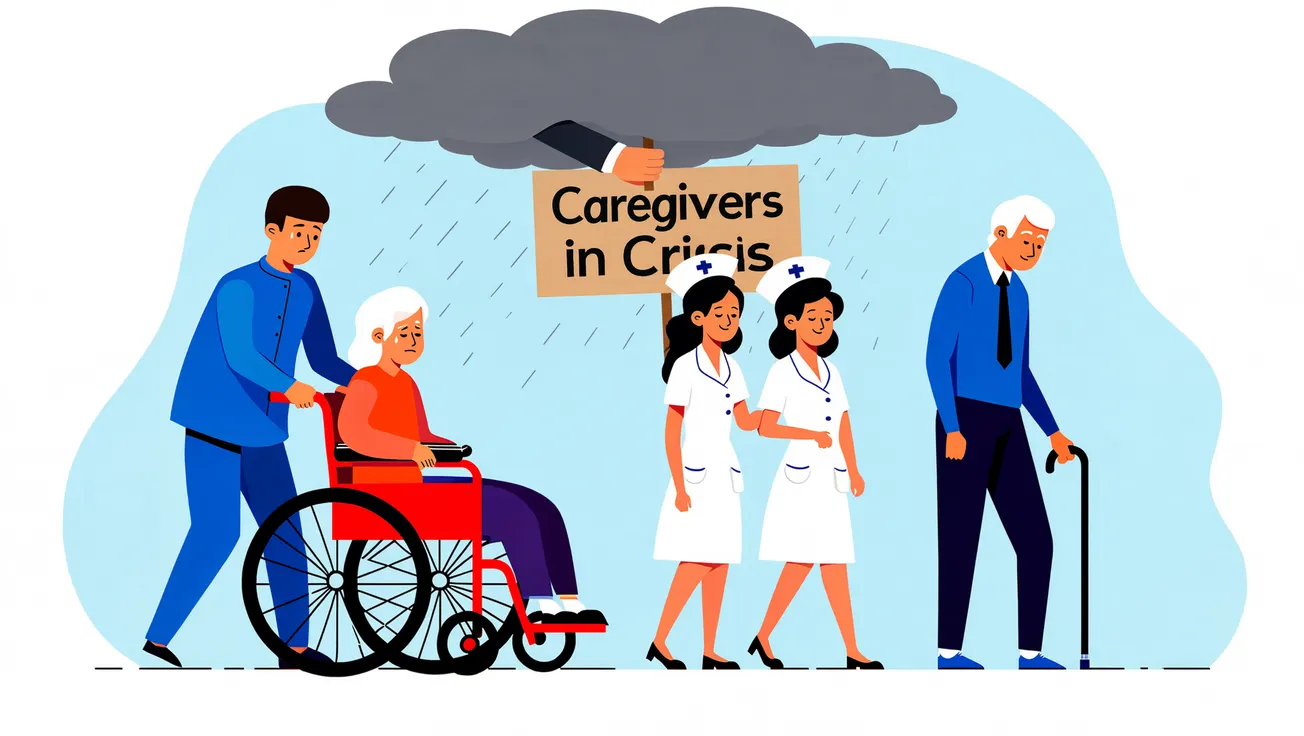
Stress affects both seniors and those who help them. Many elderly care tips focus on creating calmer days for everyone involved.
Helpful approaches include:
Simplifying the environment: Less clutter can mean fewer distractions and hazards. Have you heard about Swedish Death Cleaning?
Breaking tasks into smaller steps: Smaller steps feel less overwhelming and easier to manage.
Planning rest periods into the day: Regular rest can prevent exhaustion and irritability.
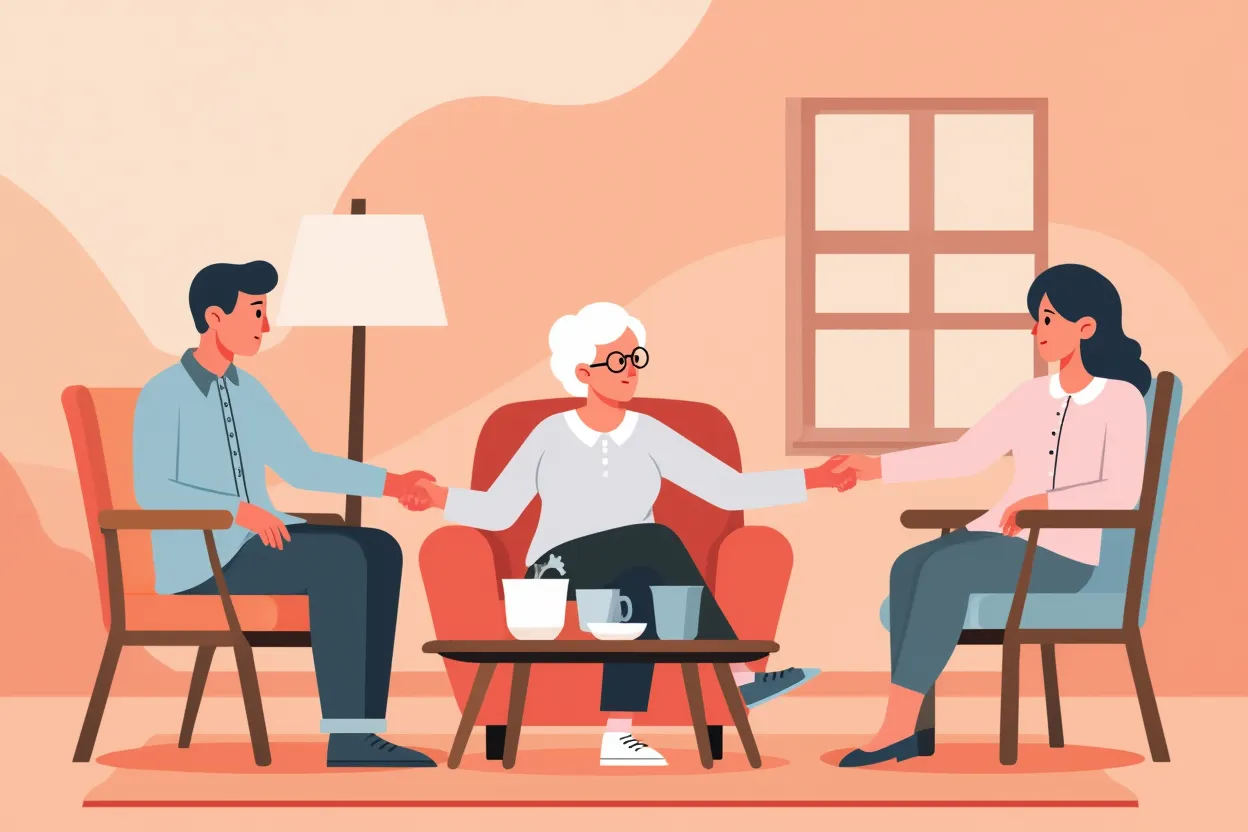
Keeping communication clear and patient: Calm, respectful conversations (especially with the children) reduce tension and misunderstandings.
Reducing stress often improves mood, energy, and overall quality of life.
 Gary P Guthrie
Making the Home Work Better for Daily Living
The home plays a major role in comfort and ease. Many elderly care tips focus on making everyday spaces more supportive.
Consider small changes such as:
- Arranging furniture to allow clear walking paths
- Using non-slip mats in frequently used areas
- Choosing seating that is easy to get in and out of
- Keeping commonly used rooms clutter-free
These changes can make daily activities feel safer and less tiring.
Final Thoughts
Elderly care tips do not need to be complicated to be effective. Small, thoughtful changes can make daily life easier, reduce stress, and help seniors maintain independence and dignity.
For both seniors and informal caregivers, the focus should be on comfort, respect, and making each day a little smoother. Often, it is the simplest adjustments that make the biggest difference.