The Takeaway
- Puzzles for elderly work best when they match current ability
- The right difficulty encourages focus without frustration
- Enjoyment is more important than solving speed or complexity
- Puzzle needs can change over time — and that’s normal
- Small adjustments can make puzzles more satisfying
Puzzles are a popular and enjoyable way for older adults to pass the time. They can bring a sense of focus, routine, and quiet satisfaction. But keep in mind that when you're choosing a puzzle or game for the "elderly" that not all puzzles feel good to solve — especially when the difficulty doesn’t match the person doing them.
Choosing the right puzzles for seniors and the elderly is less about “keeping up” and more about finding the sweet spot between challenge and comfort.
Why Difficulty Level Matters
A puzzle should stretch the mind just enough to stay interesting. When a puzzle is too easy, it becomes boring. When it’s too hard, it can feel discouraging.
The right level:
- Encourages concentration
- Builds confidence
- Keeps frustration low
- Makes people want to come back to it
That balance is what turns puzzles into a positive daily activity.
Frustration vs Engagement
Frustration is a signal — not a failure. It often means the puzzle is asking too much right now.
Signs a puzzle may be too difficult:
- Long periods of staring without progress
- Feeling tense or irritated
- Avoiding the puzzle altogether
Signs of good engagement include:
- Steady progress, even if slow
- A feeling of interest or curiosity
- Willingness to try again later
- Puzzles for elderly should feel inviting, not exhausting.

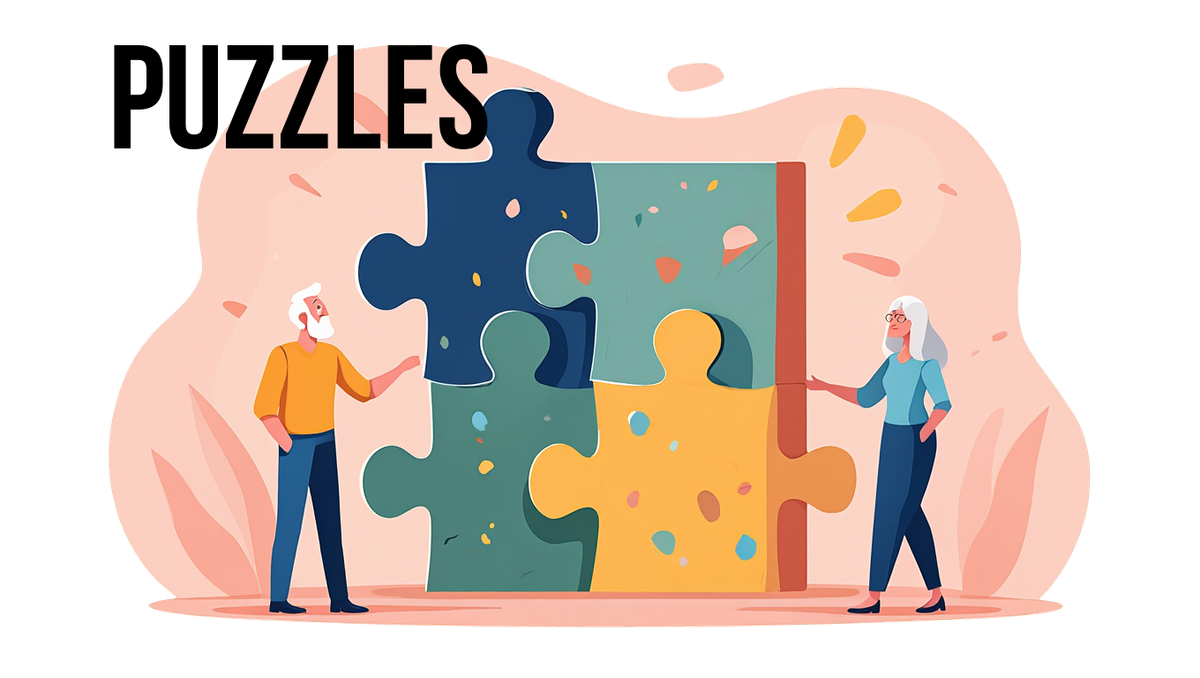
Matching Puzzles to Ability
Abilities vary widely among older adults, and they can change over time due to health, vision, or energy levels.
Helpful matching tips:
- Choose larger print for word puzzles
- Select fewer pieces for jigsaw puzzles
- Use simpler clues or rules
- Allow hints or reference images
There is no “right” level — only the right level for today.
Smart Senior Daily Staff
Puzzles That Can Grow With You
Some puzzles offer adjustable difficulty, which can be especially useful.
Examples include:
- Crosswords with varying clue levels
- Jigsaws with different piece counts
- Number puzzles with graded challenges
These options allow seniors and caregivers to adapt without starting from scratch.
The Caregiver’s Role
Caregivers often worry about choosing puzzles that are either too easy or too hard. The best approach is gentle observation.
Watch for:
- Enjoyment during the activity
- Willingness to return to the puzzle
- Mood after finishing or stopping
Open, supportive conversation helps more than correction.
A Supportive Final Thought
Puzzles are meant to be enjoyed, not judged. Changing puzzle preferences or abilities is a normal part of aging.
When puzzles for elderly are matched thoughtfully to ability, they can offer calm focus, satisfaction, and a welcome sense of accomplishment — one piece at a time.