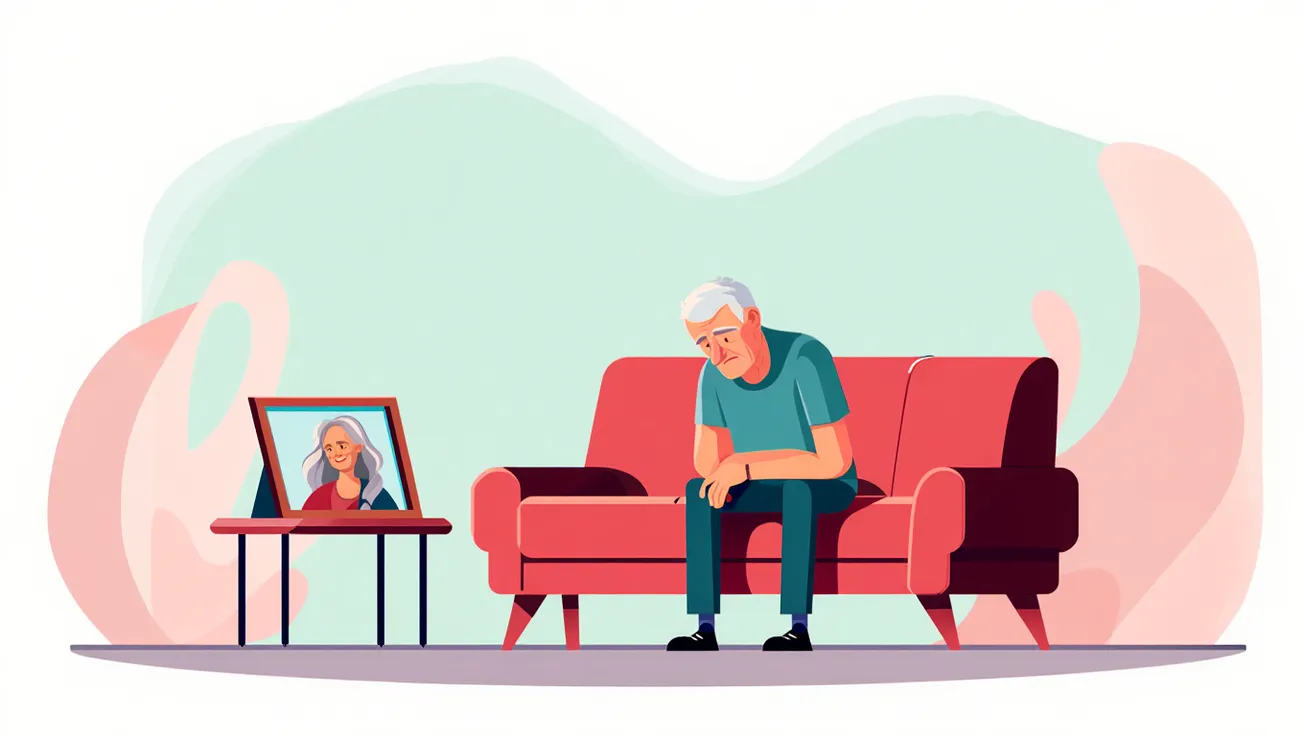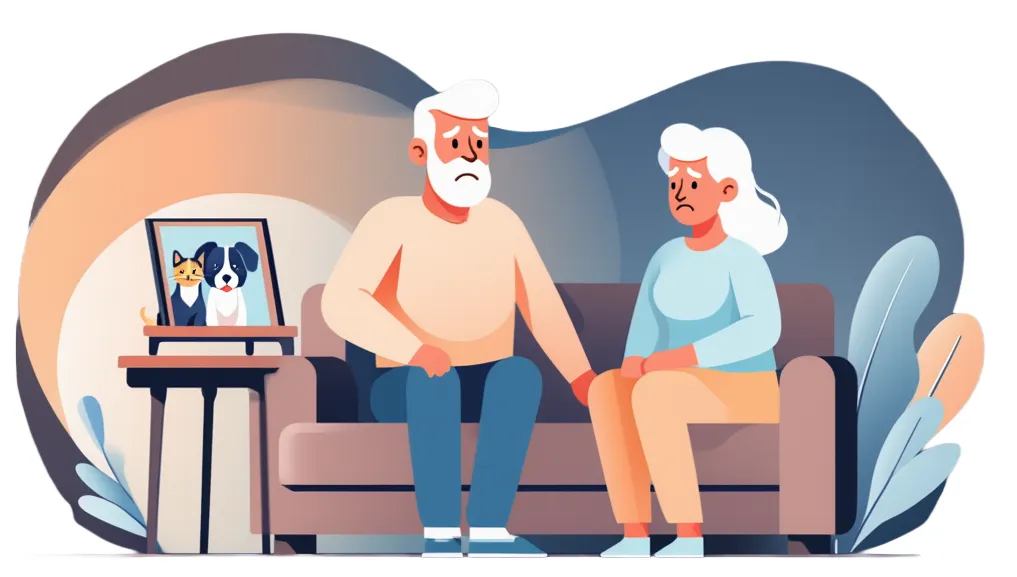
It is no surprise that having a pet can enhance the lives of seniors. Pets bring companionship, unconditional love, and in many cases, motivation for physical activity as a regular routine, all of which have positive effects on seniors’ mental and physical health.
However, pets are unfortunately not eternal and seniors who own pets may encounter the tragic reality of losing a pet. Many seniors who have experienced the loss of a pet have reported shock over the depth of their grief.
Understanding why this loss can feel so overwhelming — and what may help — can ease that burden.
About the author: Laura Vargas, MSW, LCSW is a Grief Therapist and Psychotherapist based in Colorado who has spent her career developing grief support programs for individuals, families, and communities bereaved by stigmatized deaths.
Laura is the founder of Vargas Counseling and Consulting, LLC, a private practice serving individuals with a focus on holistic grief therapy. She is also an Adjunct Professor at University of Denver's Graduate School of Social Work and Director of Outreach Programs for Peer Support Community Partners. Laura is a passionate animal lover and enjoys spoiling her senior dog, Rocky (13 yo), in all the best ways.
Why does it hurt so much to lose a pet?
For the most part, pets become a guaranteed presence in the pet owner’s home; meaning that unless the owner or someone else with access to the pet or home remove the pet from the home, one may always expect for them to be in the home.
Many seniors, especially those who live alone, become accustomed to a routine where the pet is the first and last interaction they have in their days, and sometimes the only interaction. It is likely that the senior pet owner spends more time with their pet than with the family and friends who may not live with them.
As a result, when the pet dies, their physical absence may be more noticeable than the physical absence of a person with whom the senior does not share a home with.
Moreover when pets become ill or age to the point where their quality of life is being impacted, euthanasia becomes a decision that a pet owner may be forced to confront.
Many senior pet owners have lived lives full of decisions, but the decision of euthanasia is unlike most other decisions. It is impossible to know when the right time is to end the life of a pet that is deeply loved, yet too many have found themselves in situations where they have been asked to pick that time.
Pet owners often have their grief over the loss of the pet complicated by questions such as, “did I do the right thing,” “was that the right time,” and “what if I had done something differently.” These unanswered questions can linger, adding to the many layers that contribute to the deep grief felt following the loss of a pet.
Why does pet loss not receive as much support or attention?
Western culture usually recognizes the loss of a close family member or friend as being a time where the bereaved need and deserve support. Family and friends show up in a multitude of ways, such as with visits, calls, dropping off meals, and more.
However, this level of support rarely extends to the loss of a pet. Grief following the loss of a pet is often minimized, ignored, or even questioned. This is called disenfranchised grief, which is a term coined by Dr. Kenneth Doka to describe loss that is not openly acknowledged, socially validated, or publicly mourned.
Grief following the loss of a pet may be disenfranchised because others may view the pet as being less important or less loved than a human. However, for many senior pet owners, their pets become their entire lives; their source of constant love and presence during a period of life that may be lonely.
When that bond is not fully understood, senior pet owners may be left to grieve without the support that they deserve.
 Gary P Guthrie
Recommendations for healing after the loss of a pet
The first step for seniors in healing after the loss of a pet is to recognize that the grief that is being felt is normal and valid. Grief is not something to overcome; grief is lifelong and it will ebb and flow.
While the grief experience may not always be as heavy as it is in the initial days, months, or years, it will always be a part of the pet owner’s life as it becomes intertwined with the everlasting love for the pet.
For some seniors, having some sort of memorial ritual can be helpful. Memorial rituals can be wide-ranging, but may include keeping a reminder of the pet, such as their ashes, a lock of their fur, or their paw-print.
Many seniors struggle with knowing when it is appropriate to adopt another pet. In these situations, it is important to remember that adopting a new pet will not take away the love they had for the deceased pet, nor will the new pet simply replace the deceased one.
While adopting a new pet may not be right for all seniors, those who do often describe feeling ready when they long not only for companionship, but for the routines and joy that caring for an animal brings.
Losing a pet can be a heartbreaking time for seniors. However, by gaining a greater understanding of why that is, and practicing greater compassion for oneself, seniors may be more equipped to navigate the grief, which remains intertwined with the love that made it possible.