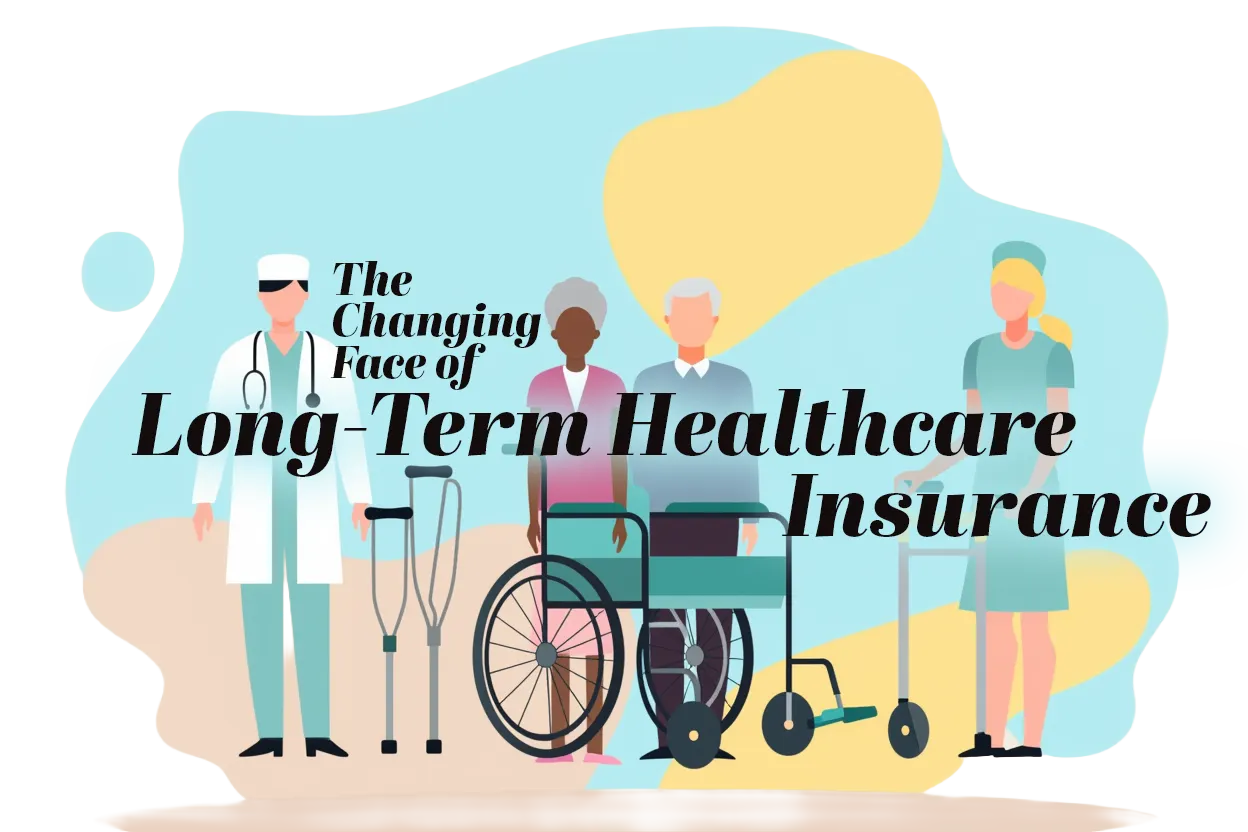
The Takeaway
- Nearly 70% of adults over 65 will need some form of long-term care, according to federal estimates.
- How much does long-term care cost per month? Let's just say its cost is rising faster than inflation.
- Traditional policies aren’t the only option anymore — hybrid and short-term plans are growing.
- Waiting too long can mean higher premiums or being denied coverage altogether.
- For some seniors, self-funding or Medicaid planning may still make more sense than insurance.
For years, long-term care insurance quietly faded into the background.
Premium hikes. Insurers pulling out. Stories of people paying for years and never filing a claim.
But lately, the conversation is changing — especially among retirees who are doing the math and realizing how vulnerable their savings could be if long-term care enters the picture.
According to Money’s latest guide to long-term care insurance, roughly 7 in 10 Americans over 65 will eventually need help with daily activities such as bathing, dressing, or managing medications.
And that help rarely comes cheap. Money recently reviewed and ranked long-term care insurance providers, highlighting why more older adults are taking another look at coverage as part of retirement planning.
 Smart Senior Daily Staff
Why long-term care planning feels urgent again
The cost of care keeps climbing — and it’s not subtle.
- A private room in a nursing home now averages well over $100,000 a year in many parts of the country.
- Assisted living routinely runs $4,500–$6,000 per month, depending on location and care needs.
- Home health aides, often preferred by seniors, can still cost $25–$35 an hour.
Medicare doesn’t cover long-term custodial care. And Medicaid only steps in after most savings are spent down.
That leaves retirees staring at an uncomfortable question:
If care is needed for several years, where does the money come from?
What’s different about today’s long-term care insurance
The policies getting attention now don’t always look like the ones that caused frustration a decade ago.
Money’s analysis points to several shifts seniors should understand:
- Hybrid policies combine life insurance or annuities with long-term care benefits. If care isn’t needed, heirs still receive a payout.
- Short-term care insurance offers coverage for one year or less — cheaper, but limited.
- More conservative underwriting means fewer surprise premium hikes compared to early LTCI policies.
That doesn’t mean these plans are inexpensive. But they’re clearer, more tightly structured, and — in some cases — easier to evaluate than older policies that relied on rosy assumptions.
 Gary P Guthrie
Who long-term care insurance may (and may not) make sense for
Long-term care insurance isn’t a one-size-fits-all solution.
It may be worth exploring if you:
- Have moderate to upper-middle retirement savings you want to protect
- Want to avoid burdening adult children with care decisions and costs
- Are in reasonably good health and can qualify at manageable rates
It may not be a fit if you:
- Have limited income and may qualify for Medicaid
- Have significant assets that can self-fund care
- Are already dealing with serious health conditions that make coverage unaffordable or unavailable
Frequently Asked Questions About Long-Term Care Insurance
What is the biggest drawback of long-term care insurance?
The biggest drawback is cost uncertainty. Premiums can be expensive, and while today’s policies are more stable than older ones, insurers can still request rate increases in some cases. There’s also the chance you may never use the benefits, which can make traditional policies feel like a sunk cost.
How much does long-term care cost per month?
Costs vary widely by location and level of care, but typical monthly estimates look like this:
- Home health aide: $4,000–$6,000
- Assisted living: $4,500–$6,500
- Nursing home (private room): $8,000–$10,000+
These costs often rise faster than general inflation, which is why long-term care planning matters.
Is it wise to purchase long-term care insurance?
It can be — for the right person. Long-term care insurance often makes sense for people who:
- Have assets they want to protect
- Are unlikely to qualify for Medicaid
- Want more control over care choices
For others, alternatives like self-funding, family planning, or Medicaid planning may be more practical.
What is the best age to buy long-term care insurance?
Most experts point to the mid-50s to early-60s as the sweet spot. Buying earlier can mean lower premiums and easier approval. Waiting too long increases costs and the risk of being denied due to health conditions.
The planning conversation many seniors avoid — but shouldn’t
What’s striking isn’t just the cost. It’s how often long-term care planning gets postponed until options narrow.
By the early to mid-70s, premiums rise sharply. Underwriting becomes stricter. Some doors close entirely.
That’s why financial planners increasingly recommend at least running the numbers, even if insurance isn’t the final answer. Knowing the costs, tradeoffs, and alternatives puts seniors back in control — instead of leaving decisions to a crisis moment.
The bottom line
Long-term care insurance isn’t suddenly perfect.
But it’s no longer something seniors can afford to ignore.
Whether the answer is insurance, self-funding, family planning, or a Medicaid strategy, the common thread is preparation. And right now, more seniors are realizing that planning for care is just as important as planning for retirement income.
Sources:
- Money: “Best Long-Term Care Insurance Companies” (provider rankings and consumer guidance)
- U.S. Department of Health and Human Services: Long-Term Care statistics
Disclaimer: This article is for informational purposes only and does not constitute financial, legal, or insurance advice. Long-term care insurance and retirement planning decisions vary widely based on individual health, finances, and state rules. Seniors should consult a licensed financial advisor or insurance professional before purchasing coverage or making long-term care planning decisions.