The Takeaway
- Heart disease usually develops slowly, not suddenly
- Feeling “fine” is not a reliable indicator of heart health
- Sedentary time, sleep loss, and blood pressure creep matter more than seniors think
- Small changes after 60 still reduce risk
- Awareness is often the missing link
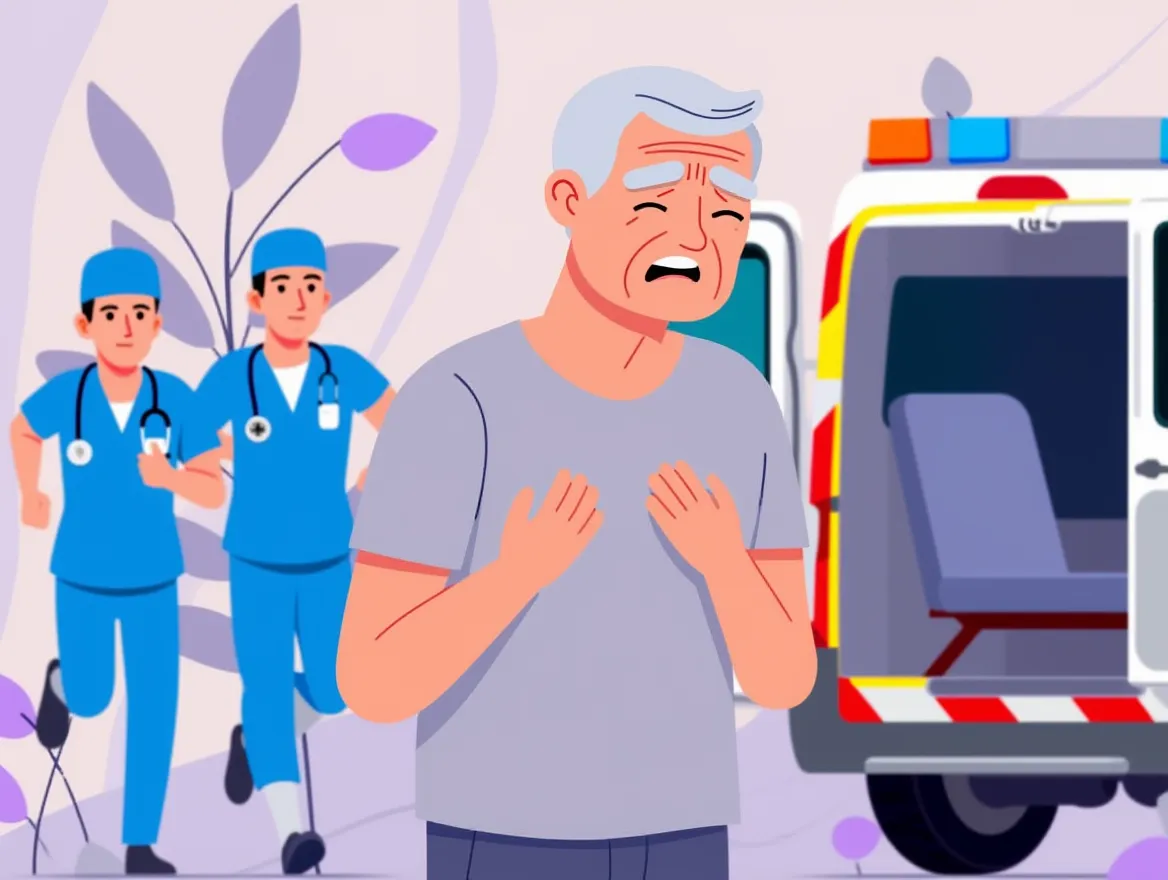
Most seniors assume heart trouble announces itself with chest pain, shortness of breath, or a dramatic moment that sends someone to the ER.
But the latest heart-health data tells a very different story.
According to the 2026 Heart Disease and Stroke Statistics Update from the American Heart Association, heart disease usually develops quietly, shaped by years of everyday habits that don’t feel dangerous in the moment.
That’s why so many older adults are caught off guard.
What seniors don’t think is hurting their heart
The biggest contributors aren’t shocking behaviors. They’re familiar ones.
Sitting too much.
As people age, daily movement tends to shrink — not because seniors stop caring, but because routines change. More time at home. More time seated. Less incidental movement.
The AHA consistently finds that physical inactivity and sedentary behavior are strongly linked to worsening cardiovascular health, even among people who consider themselves “active enough.”
Sleep that’s short or fragmented.
Poor sleep is often dismissed as “just part of aging.” But chronic sleep deprivation is associated with higher blood pressure, weight gain, and increased cardiovascular risk. In national surveys cited by the AHA, a significant share of older adults report sleeping fewer than seven hours a night — a threshold linked to worse heart outcomes.
Blood pressure creep.
Many seniors know their blood pressure is “a little high” — and leave it at that. But the AHA warns that even modest, sustained elevations quietly damage arteries over time, increasing the risk of heart attack, stroke, and heart failure.
“Cardiovascular health is driven by cumulative exposure to risk factors across the lifespan,” the AHA notes in its 2026 report, emphasizing that long-term patterns matter more than isolated readings.
 Smart Senior Daily Staff
Why “I feel fine” is misleading
Here’s the uncomfortable truth: you can feel perfectly fine while heart disease is progressing.
Early cardiovascular damage doesn’t usually cause pain. It shows up later — after years of elevated blood pressure, insufficient movement, poor sleep, or gradual weight gain.
That gap between how people feel and what’s happening internally is why heart disease remains the leading cause of death in older adults.
The part most seniors never hear
The same data that outlines the problem also delivers good news.
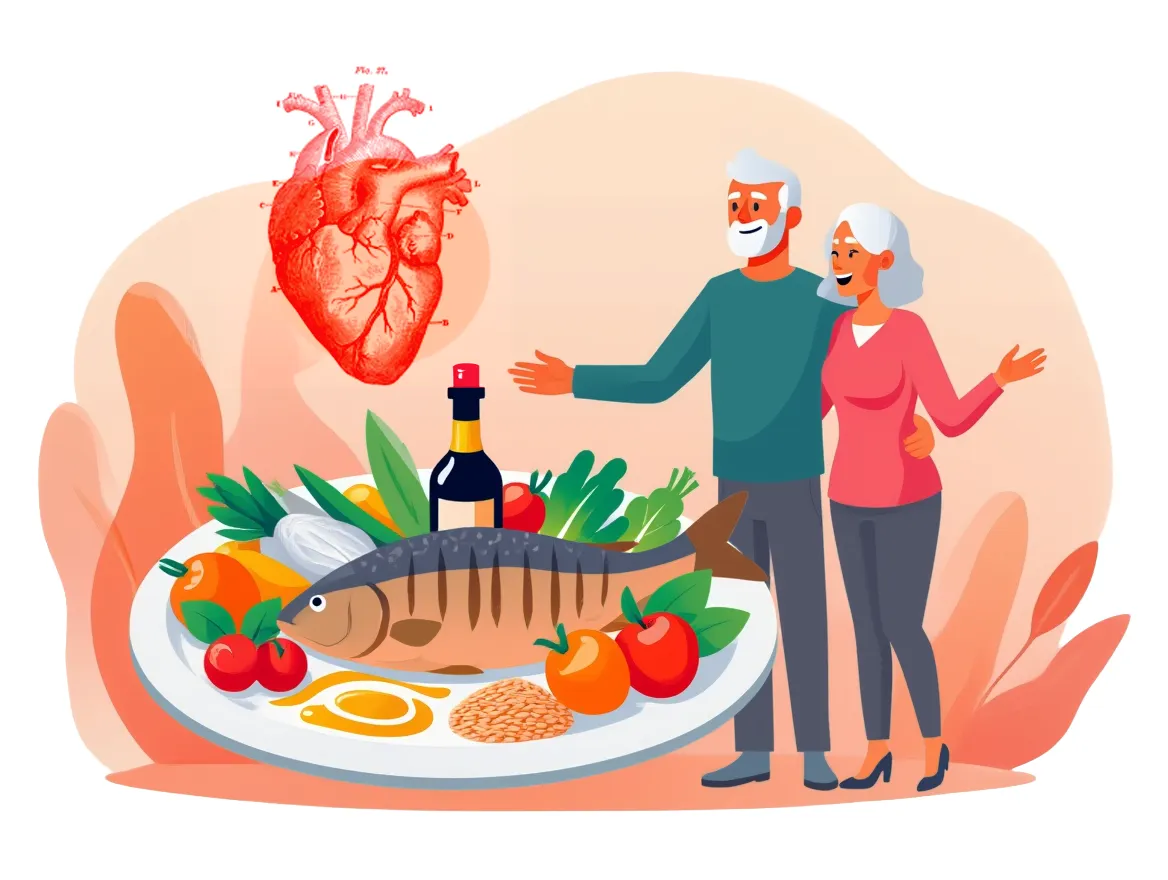
The AHA’s long-term research shows that improving even a few daily habits later in life lowers cardiovascular risk. More walking. Better sleep consistency. Modest dietary improvements. Better blood pressure control.
Perfection isn’t required. Progress counts.
Can you answer these heart health FAQs?
What are the signs of an unhealthy heart?
An unhealthy heart doesn’t always announce itself loudly. In many cases, the signs are subtle and easy to dismiss.
Common warning signs can include:
- Shortness of breath during routine activities
- Chest discomfort, pressure, or tightness
- Swelling in the ankles, feet, or legs
- Unusual fatigue that doesn’t improve with rest
- Dizziness or lightheadedness
- Irregular or rapid heartbeat
According to the American Heart Association, many people have heart disease long before they notice symptoms. That’s why routine checkups and attention to daily habits matter — even if you feel “mostly fine.”
What are signs of a healthy heart?
A healthy heart often shows up as how well your body handles everyday life, not as a single number on a test.
Signs that generally point to good heart health include:
- Being able to walk or climb stairs without unusual shortness of breath
- Stable blood pressure readings over time
- Consistent energy for daily activities
- Regular, steady heartbeat
- Good recovery after physical activity
- Quality sleep most nights
No heart is perfect, especially as we age. What matters most is overall function and consistency, not occasional off days.
How do you self check if your heart is healthy?
You can’t fully assess heart health at home — but you can spot patterns that deserve attention.
A basic self-check includes asking:
- Can I stay active without new or worsening symptoms?
- Do I know my blood pressure and cholesterol numbers?
- Am I sleeping reasonably well most nights?
- Am I moving most days, even if it’s just walking?
- Do I feel persistent fatigue, breathlessness, or chest discomfort?
Tools like habit check-ins or quizzes can help you notice trends, but they don’t replace medical evaluation. If something feels new, worsening, or concerning, it’s worth discussing with your doctor.
What is the #1 worst habit for your heart?
There isn’t just one — but prolonged inactivity is among the most damaging and most underestimated.
Sitting for long stretches day after day is linked to:
- Higher blood pressure
- Poor cholesterol levels
- Weight gain
- Increased risk of heart disease — even in people who exercise occasionally
The good news: you don’t need intense workouts to counter this. Standing up, walking briefly, and moving more often throughout the day all help.
How do I keep my heart strong?
Keeping your heart strong is less about dramatic changes and more about steady, repeatable habits.
Research consistently points to a few basics:
- Move your body most days (walking counts)
- Keep blood pressure under control
- Eat fewer highly processed foods
- Get consistent, restorative sleep
- Manage stress — even modestly
- Keep up with routine medical care
Small improvements add up over time. The goal isn’t perfection — it’s giving your heart a little less work to do each day.
A better question than “Am I healthy?”
Instead of asking, “Do I feel okay?” the data suggests a better question:
“What am I doing every day that supports — or strains — my heart?”
That shift alone changes outcomes.
What comes next
Smart Senior Daily is developing a short Heart Habits Check-In quiz (for members only) to help readers spot everyday behaviors that may quietly increase — or reduce — heart risk. It’s not a diagnosis. It’s a reality check. (Stay tuned for that)
Sometimes that’s all it takes to start doing things differently.
Disclaimer: This article is for informational purposes only and does not provide medical advice. Always consult a qualified health care provider regarding heart health, diagnosis, or treatment.