
Winter has a way of sneaking up on sleep.
The heat clicks on. The air dries out. Sinuses get irritated. Joints ache a little more. And suddenly, a good night’s rest feels harder to come by — even for seniors who’ve “always slept fine.”
Dr. Christopher Allen, a board-certified Sleep Medicine physician and Pediatric Neurologist, sees this pattern every winter. As Sleep Science Advisor at Aeroflow Sleep, he works with older adults whose sleep problems often go unnoticed — or get dismissed as normal aging.
They shouldn’t.
Why Cold Weather Disrupts Senior Sleep
What is it about winter air that causes trouble?
“As we age, the body becomes more sensitive to environmental changes,” Dr. Allen explains. Cold, dry air can irritate nasal passages and the throat, leading to congestion, snoring, and more nighttime awakenings.
Dry air also worsens dehydration — something many seniors already struggle with — making breathing less comfortable during sleep. Forced-air heating only intensifies the problem.
“Even minor discomfort can disrupt sleep continuity,” he says, “leading to more light sleep and less deep, restorative rest.”
When Poor Sleep Worsens Health Conditions
Winter sleep problems don’t just cause grogginess.
Poor sleep increases inflammation, weakens immune function, and interferes with blood pressure regulation — all of which can aggravate chronic conditions such as heart disease and diabetes. Cold air can trigger bronchospasm in people with COPD or asthma, while lower temperatures often increase joint stiffness and nighttime pain for arthritis sufferers.
“When winter-related sleep disruption piles on,” Dr. Allen says, “it increases flare-ups, fatigue, and reduces overall quality of life.”
Signs like worsening pain, increased irritability, balance issues, or pulling back socially are often brushed off as “just aging,” but they can signal untreated sleep problems that deserve attention.
Simple Bedroom Fixes That Actually Help
If you had to build a winter sleep checklist for seniors, what’s on it?
Dr. Allen keeps it practical:
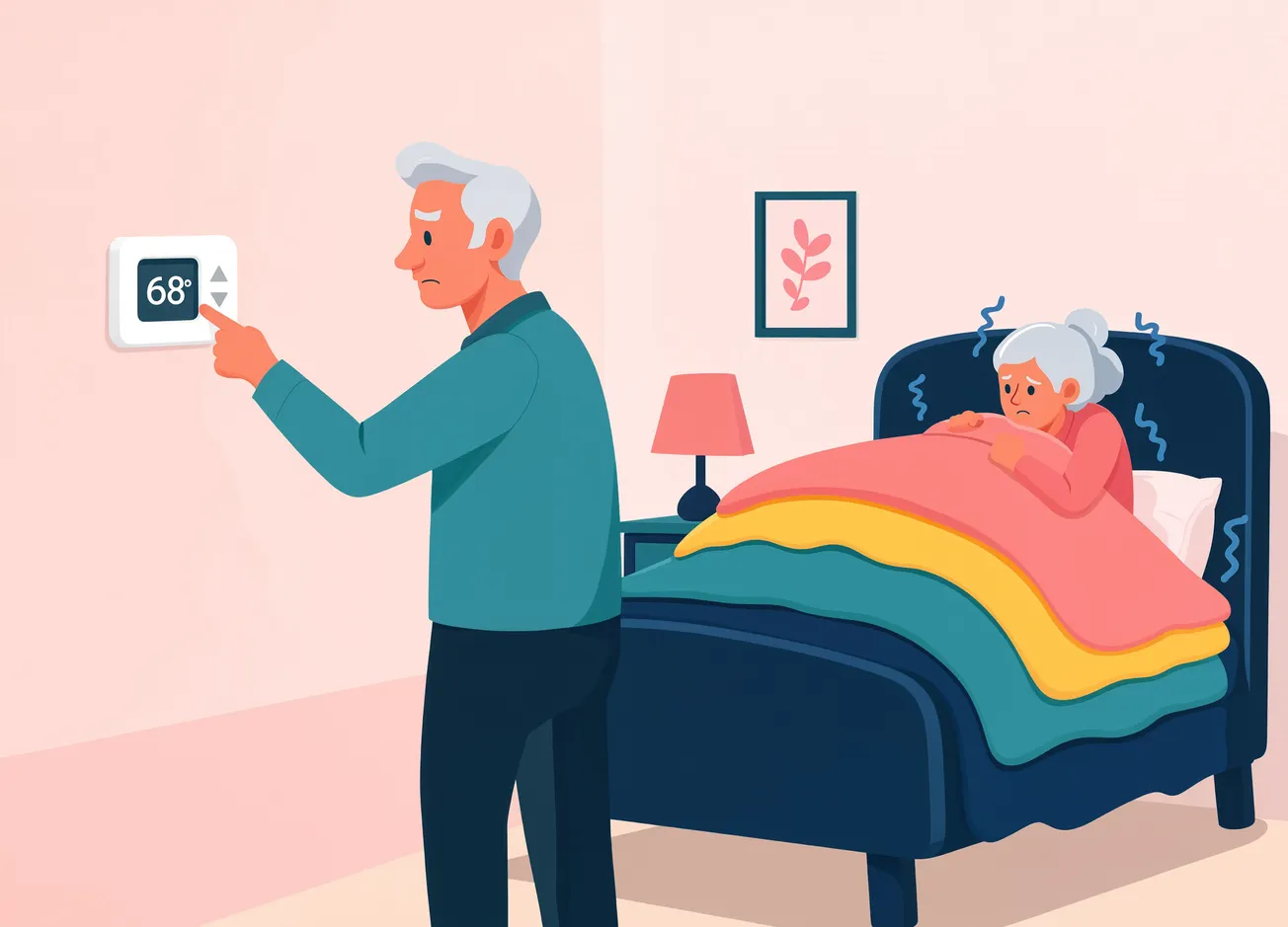
- Set bedroom temperature between 65–68°F
- Use a cool-mist humidifier to combat dry air
- Choose breathable bedding (cotton or bamboo) with light layers
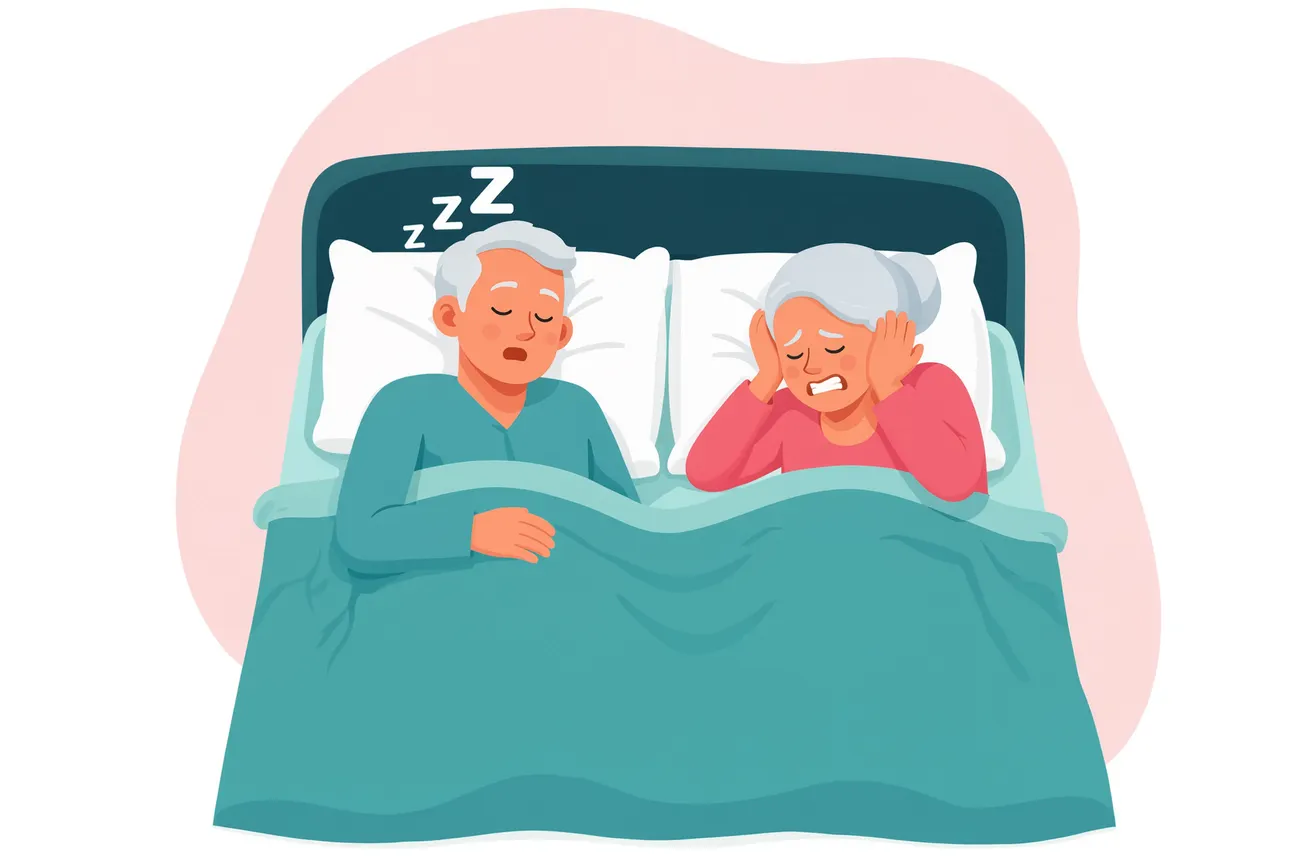
- Reduce nighttime noise with white noise
- Keep the bedroom dark and device-free
- Slightly elevate the head of the bed if congestion is an issue
Protecting the Airway at Night
Dry winter air can quietly irritate the throat and sinuses. Dr. Allen recommends:
- A bedside humidifier (or even a bowl of water near heat)
- Saline nasal spray before bed
- Warm fluids in the evening
- Avoiding alcohol and caffeine at night, which worsen dehydration
For CPAP users, heated humidifier add-ons can make a big difference and can help adjust equipment for winter comfort.
Thermostats, Bedding, and Staying Safe
Many seniors keep the thermostat low at night — and that’s fine within reason.
“Aim for 65–68°F,” Dr. Allen advises. Instead of overheating the room, layer bedding with natural fibers. Thermal pajamas, socks, and even a knit cap can help maintain warmth without restricting movement.
Electric blankets should be used cautiously and not left on overnight unless they have automatic shutoff features.
Medications and Winter Habits That Sabotage Sleep
Some common winter routines quietly interfere with sleep:
- Cold and allergy medications with stimulants or drying agents
- Diuretics and certain heart medications that increase nighttime bathroom trips
- Long or late afternoon naps during darker months
- Reduced winter activity, which lowers natural sleep pressure
“Seniors are also more sensitive to caffeine and alcohol,” Dr. Allen notes. Even moderate caffeine after early afternoon can delay melatonin release, while alcohol disrupts REM sleep and worsens snoring.
Positions, Supports, and When to Worry
Best sleep strategies for congestion or joint pain:
- Side sleeping to reduce snoring and apnea risk
- Wedge pillows or bed elevation for drainage and reflux
- A pillow between the knees to ease hip and back strain
- Supportive memory foam pillows for arthritic joints
If snoring or breathing problems worsen in winter, Dr. Allen recommends starting with a primary care physician and asking about at-home sleep apnea testing.
“Many seniors avoid lab sleep studies,” he says, “but home testing makes diagnosis far more accessible.”
Early treatment — including CPAP — can dramatically improve sleep, energy, and overall health. Aeroflow Sleep helps guide seniors through that process.
Disclaimer: This article is for informational purposes only and does not replace medical advice. Always consult a qualified healthcare provider regarding sleep concerns, medications, or treatment options.