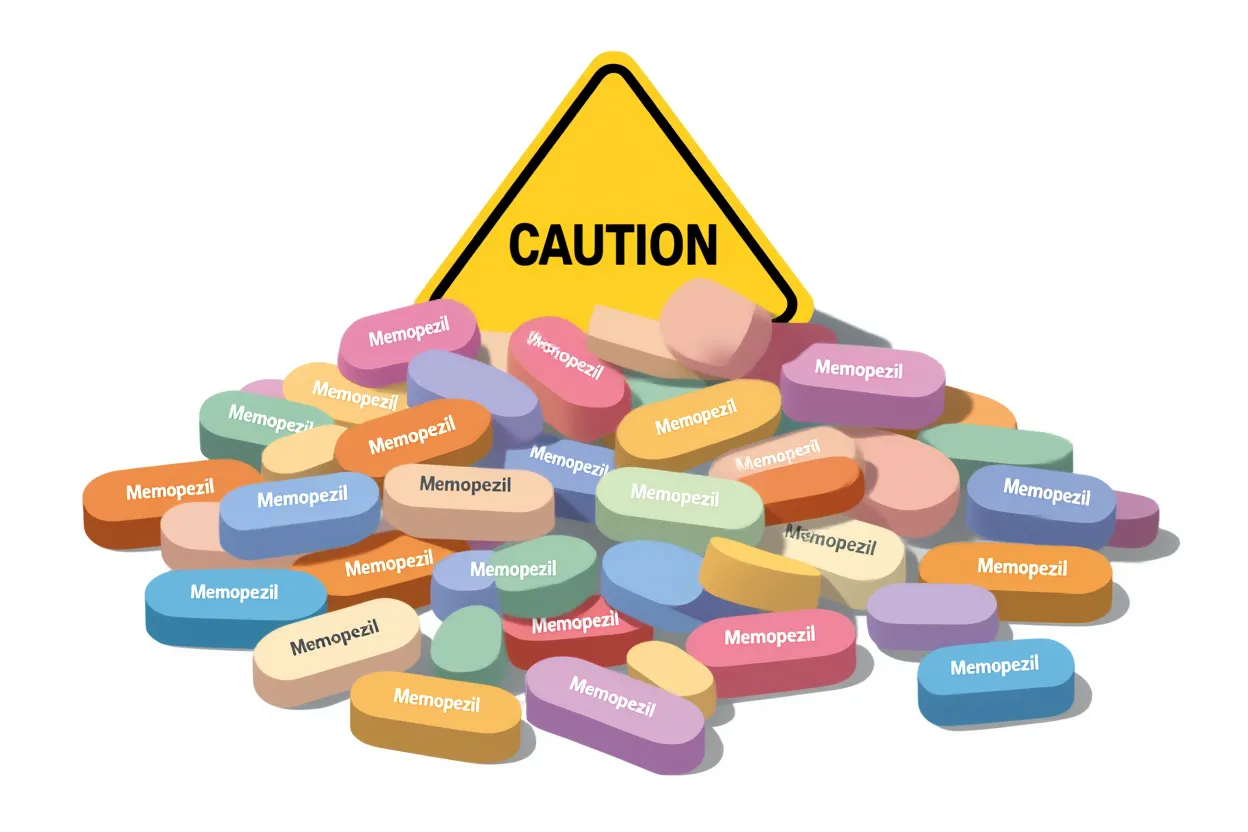
If someone were to ask you about Memopezil, would you have a clue how to respond? Us either, except for the fact that the internet is overwhelmed with ads of Bill Gates and Chris Hemsworth saying that they took it and it's worth its weight in gold.
But, before we jump into this article, we'd like you to take 1-2 minutes and take this little quiz:
Is Memopezil real? Take the quiz.
This quiz is for educational purposes only. Memopezil is not a legitimate FDA-approved medication. © Smart Senior Daily
This memopezil highway of gold is paved a parade of clown cars.
People who pitch nonsense like memopezil delivering "real, noticeable cognitive improvement" ... "peace of mind" ... "money back guarantee" ... "FDA-approved" (ha!) ... and "OMG – my brain is all systems go and firing on all cylinders again."
That highway of gold is paved with suckers, too. One person in Florida got ripped off for $207 for three bottles of the memopezil stuff from a company called GEX Corporation LTDA after they saw the fake ads.
So consider yourself forewarned, but you should also be educated about what exactly memopezil is (or isn't). To do that, Smart Senior Daily went to trusted source Dr. Reshma Kapadia Patel. She is a PharmD out of the Dallas area and the founder of WiseMedRx.
 Smart Senior Daily Staff
The truth about memopezil from a real doctor
Here's what Dr. Patel had to say:
"As a pharmacist, I’m seeing more and more products like ‘Memopezil’ marketed with claims that sound very similar to prescription medications used for memory and cognitive conditions but without the same level of evidence or regulation.
One of the biggest concerns is that these products are often presented in a way that makes them seem clinically proven, when in reality, they are dietary supplements that are not held to the same standards as prescription medications. Supplements can look like medications, but they’re not held to the same standards and that can be misleading for patients."
Patel's hard truth to anyone thinking about buying something marketed as ‘natural’ or available without a prescription doesn’t mean it’s safe, effective, or appropriate.
In fact, she warns that some of these products may contain ingredients that have not been well studied, or that could interact with other medications a patient is taking.
 Smart Senior Daily Staff
And combining the supplement with another med could be dangerous
"From a deprescribing perspective, I always encourage patients to pause before adding another product and ask: What is this actually doing, and do I really need it?
"In many cases, we see people layering supplements on top of existing medications without a clear benefit and sometimes with unintended risks.
If someone is concerned about memory or cognitive changes, the most important step is to have that evaluated by a healthcare provider. That allows for a proper assessment, discussion of evidence-based options, and a review of current medications that could be contributing to symptoms.
The goal should always be safe, thoughtful care not adding more products based on marketing claims."
Smart Senior Daily reminder: We do not provide medical advice. Always consult a licensed healthcare professional regarding diagnosis or treatment decisions. If you believe you’ve been targeted by a scam, report it and speak with your financial institution immediately if payment information was shared.