By Sara Berg, AMA News Editor — Feb 11, 2026
Colds are common — especially in peak season — and it’s no surprise people want something that actually helps. But with dozens of OTC cold remedies on pharmacy shelves, knowing which ones are worth trying (and which aren’t) can make all the difference.
1. There’s No Cure — But You Can Still Feel Better
The common cold is caused by viruses (most often rhinoviruses) and can’t be cured with medicine. Instead, treatments focus on easing symptoms while your immune system clears the infection.
2. Prevention Is Still Key
Doctors emphasize handwashing, avoiding touching your face, sanitizing surfaces, and staying home when sick to reduce spread. These basics still work better than any pill.
 Smart Senior Daily Staff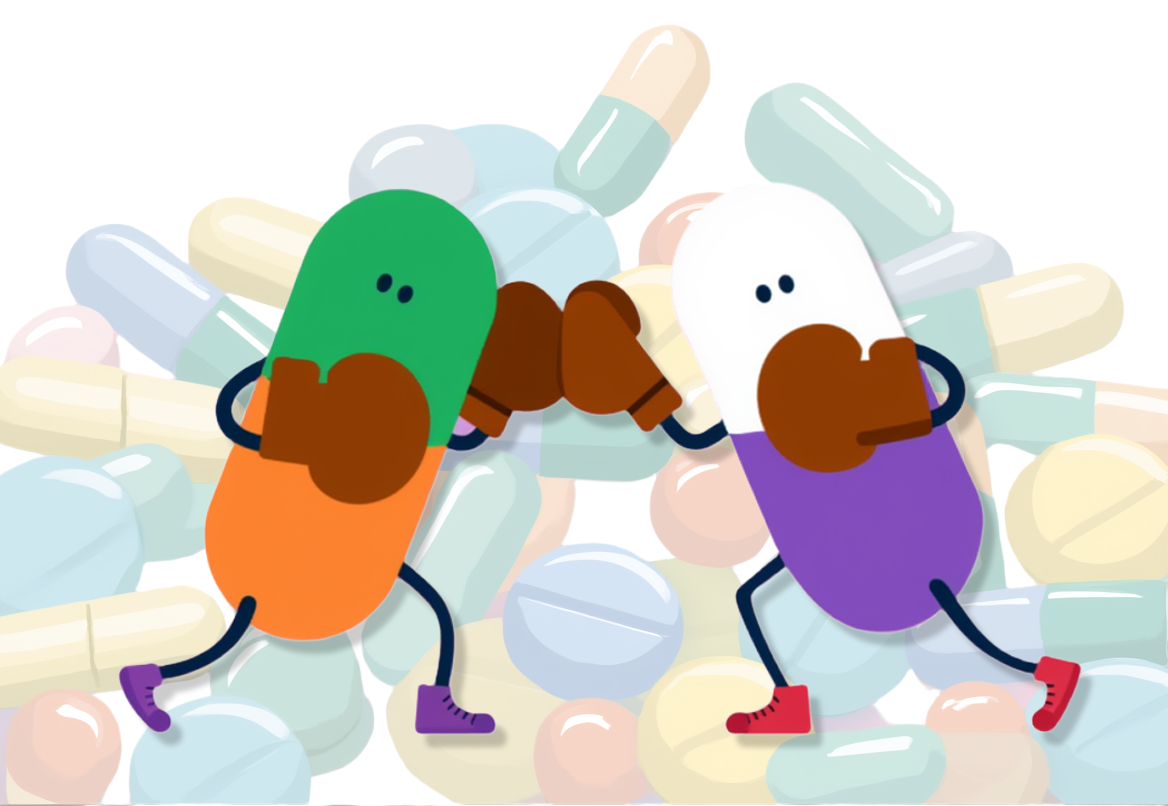
3. Symptom-Targeted Medicine Works Best
- Cough: Look for ingredients like dextromethorphan (a cough suppressant) or soothing cough drops.
- Congestion: Certain nasal sprays or decongestants can help, but ask a provider if you have high blood pressure or other health conditions.
- Pain/fever: Acetaminophen or NSAIDs can ease aches and fever but won’t shorten the cold itself.
4. Some Common Ingredients Don’t Work as Thought
The FDA and physicians note that oral phenylephrine, a common decongestant in many combo products, does not effectively relieve congestion at typical doses.
5. Be Careful With Combination Medicines
Multi-symptom products (e.g., DayQuil, NyQuil) can help some symptoms but also increase the risk of accidental overdose — especially of acetaminophen — if you’re taking other meds with the same ingredient.
 Gary P Guthrie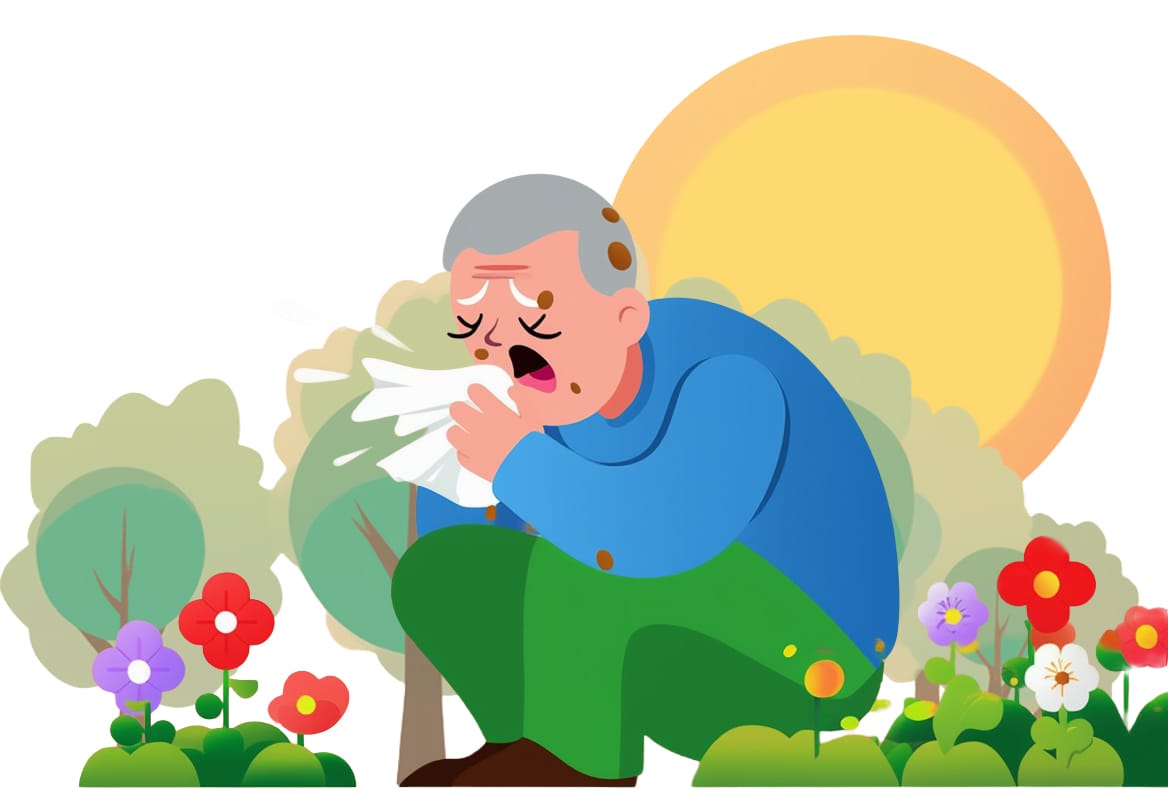
6. Home and Natural Remedies
- Honey can soothe coughs.
- Saline rinses clear congestion safely.
- Evidence for vitamin C, echinacea, or zinc is mixed; many herbal products lack strong proof of benefit.
7. When to See a Doctor
Seek medical care if symptoms are severe (like trouble breathing, high fever, or symptoms lasting more than a week) — this could signal complications like secondary infections.
Bottom line: There’s no magic pill for the common cold — but thoughtful symptom-specific choices, hydration, rest, and prevention are your best tools.
Disclaimer: This article is for informational purposes only and is not medical advice. Cold symptoms can overlap with flu, COVID-19, RSV, or other conditions.
Always consult your physician or pharmacist before starting, stopping, or combining medications — especially if you have high blood pressure, heart disease, diabetes, kidney issues, or take prescription drugs.
If symptoms are severe, persist beyond 7–10 days, or include shortness of breath, chest pain, or high fever, seek medical care promptly.