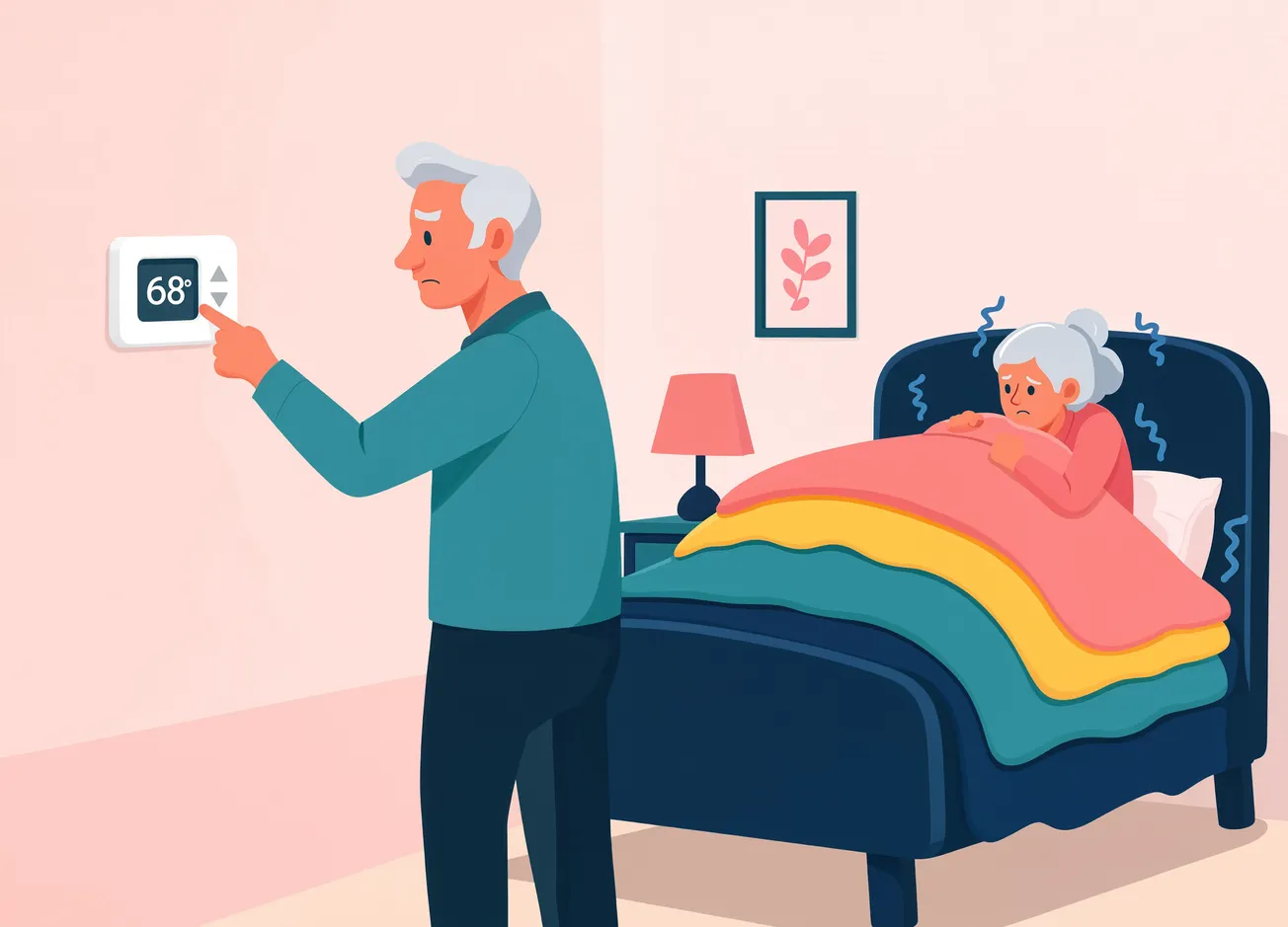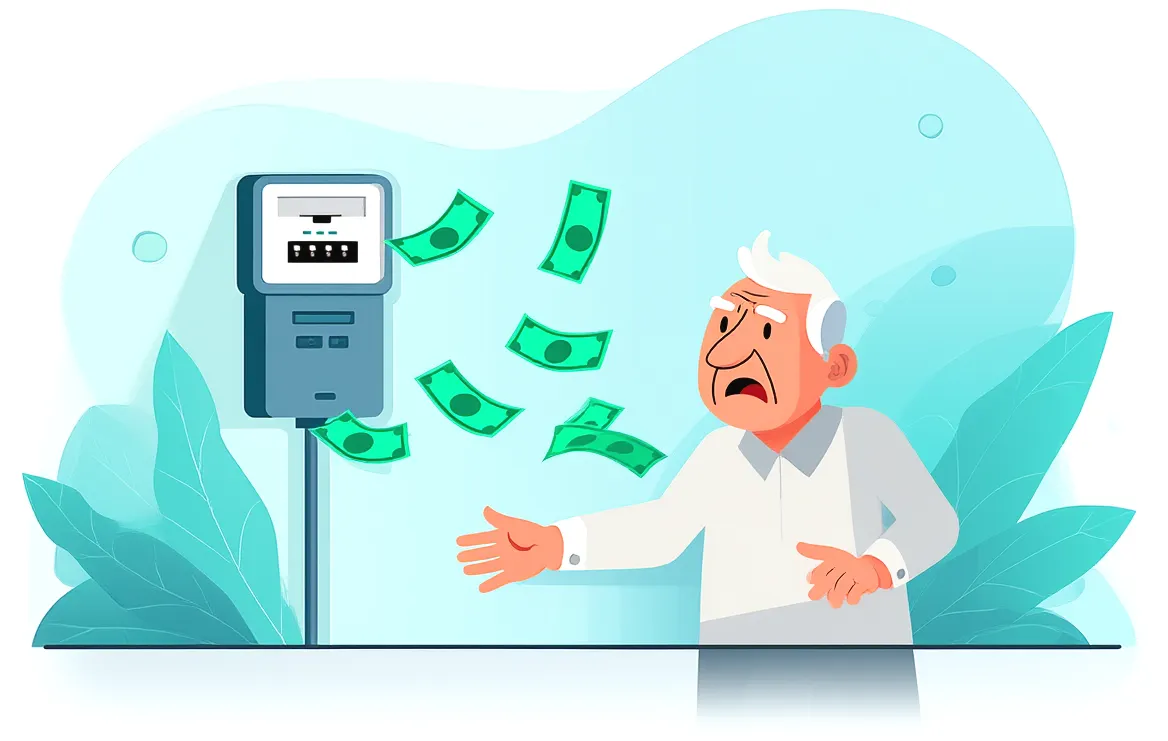
LIHEAP. Odd name, but if you're a Senior who's struggling to pay heating or cooling bills, this program could put hundreds of dollars back in your pocket — and it's available in every state.
Here's everything you need to know.
What Is LIHEAP?
LIHEAP stands for the Low Income Home Energy Assistance Program. In plain 8th grade English: the money comes from Washington, but your state and local agencies decide when to open applications, how much you get, and how you apply.
What Does It Cover?
LIHEAP provides financial assistance for home energy costs including heating bills (no matter whether it's natural gas, oil, propane, electricity, or wood), cooling assistance during summer months, and energy crisis intervention for emergencies like utility shut-offs or broken heating equipment.
If you jump through all the hoops and get qualified, LIHEAP pays your utility company directly. You don't lift a finger. The payment covers past due and future bills. If utilities are included in your rent, you'll get a check instead.
There's also a related program worth knowing about.
The Weatherization Assistance Program (WAP) works alongside LIHEAP to permanently reduce energy costs through free services like insulation, air sealing, heating system repair or replacement, and energy-efficient windows. and can reduce energy bills by an average of $283 per year.
If you've got an old, drafty house and tired of the spikes you're seeing on your utility bills, it might be just the thing you were looking for.
 Gary P Guthrie
Who Qualifies?
LIHEAP eligibility is based on household income. That's the difficult part and the jumping-off place for some of our readers because that, typically, falls at or below 150% of the Federal Poverty Level or 60% of the state median income, whichever is higher.
The good news for those who do qualify? Households with members who are elderly (60+), disabled, or have children under 6 often receive priority.
Income limits vary by state.
For example, in fiscal year 2026, a two-person household in Texas with an annual total income of $44,179 or less might qualify, while in Florida that same household must earn $42,049 or less. The bottom line: don't assume you won't qualify without checking your state's specific numbers.
One important tip: even if you're unsure about eligibility, it's best to complete an application and let the local LIHEAP office make the official determination.
Other FAQs about LIHEAP
🔽 What documents do you need?
Required documents typically include proof of identity, proof of income for all household members, a recent utility bill, Social Security numbers for household members, and proof of U.S. citizenship or eligible immigration status. Many agencies offer phone or mail-in applications for elderly and disabled individuals.
🔽 Apply early because funds can run out
This is critical. LIHEAP often fills up fast. Apply as soon as you can to increase your chances of getting help. Most states open winter heating applications in the fall, and some states prioritize older adults (age 60 and older), individuals with a disability, and families with children under 5 for early application periods.
Processing times typically range from 30–60 days, so keep paying your utility bills while your application is being reviewed.
🔽 How to find your local LIHEAP office
This is where people get tripped up. There's no single national phone number or website — the program is run locally. Here are three reliable ways to find yours:
- Visit liheap.org/directory — search for your state or territory to find state contacts, or use the "Search by County" button to find local LIHEAP offices through the LIHEAP Clearinghouse directory.
- Call 211 — in most areas of the United States, dialing 2-1-1 connects you to a free, confidential information and referral service where trained specialists can provide information on utility assistance programs including LIHEAP.
- Call the national Energy Assistance Hotline — you can reach representatives at 1-866-674-6327, available weekdays from 9 a.m. to 7 p.m. ET.
Gary P Guthrie
One more warning: watch for scams
LIHEAP is a free program. No agency should ever charge a fee to apply for or receive benefits. If anyone requests a fee, it may be a scam — and should be reported to the HHS Fraud Hotline at 1-800-447-8477.
The bottom line
If energy bills are eating into your fixed income, LIHEAP is worth a phone call. Millions of seniors qualify and never apply — often because they've never heard of it, or assume the paperwork isn't worth it. It is.
Disclosure: Income limits shown reflect 2026 federal guidelines and are for informational purposes only. Eligibility varies by state and may change. Smart Senior Daily is not affiliated with any government agency. Contact your local LIHEAP office or dial 211 to confirm your eligibility.
Sources:
https://acf.gov/ocs/map/liheap-map-state-and-territory-contact-listing
https://www.propel.app/blog/liheap-2024-2025-application/
https://seniorbenefitscarefinder.com/low-income-programs/liheap/georgia/atlanta/
https://www.ncoa.org/article/how-do-i-apply-for-liheap/
https://dceo.illinois.gov/communityservices/utilitybillassistance/howtoapply.html