The Takeaway
- A Taiwanese study of 860 older couples found lower psychological well-being when partners slept in separate rooms vs. the same bed.
- The link held up after accounting for health, conflict, and mismatched bed/wake times — but the study is associational, not proof of cause.
- Fox News framed it as a warning about “sleep divorce,” while outside experts stress context and communication matter most.
- Bottom line: If separate rooms help you sleep, protect the relationship in other ways — nightly check-ins, cuddle rituals, or morning coffee dates.
No attorneys, no alimony
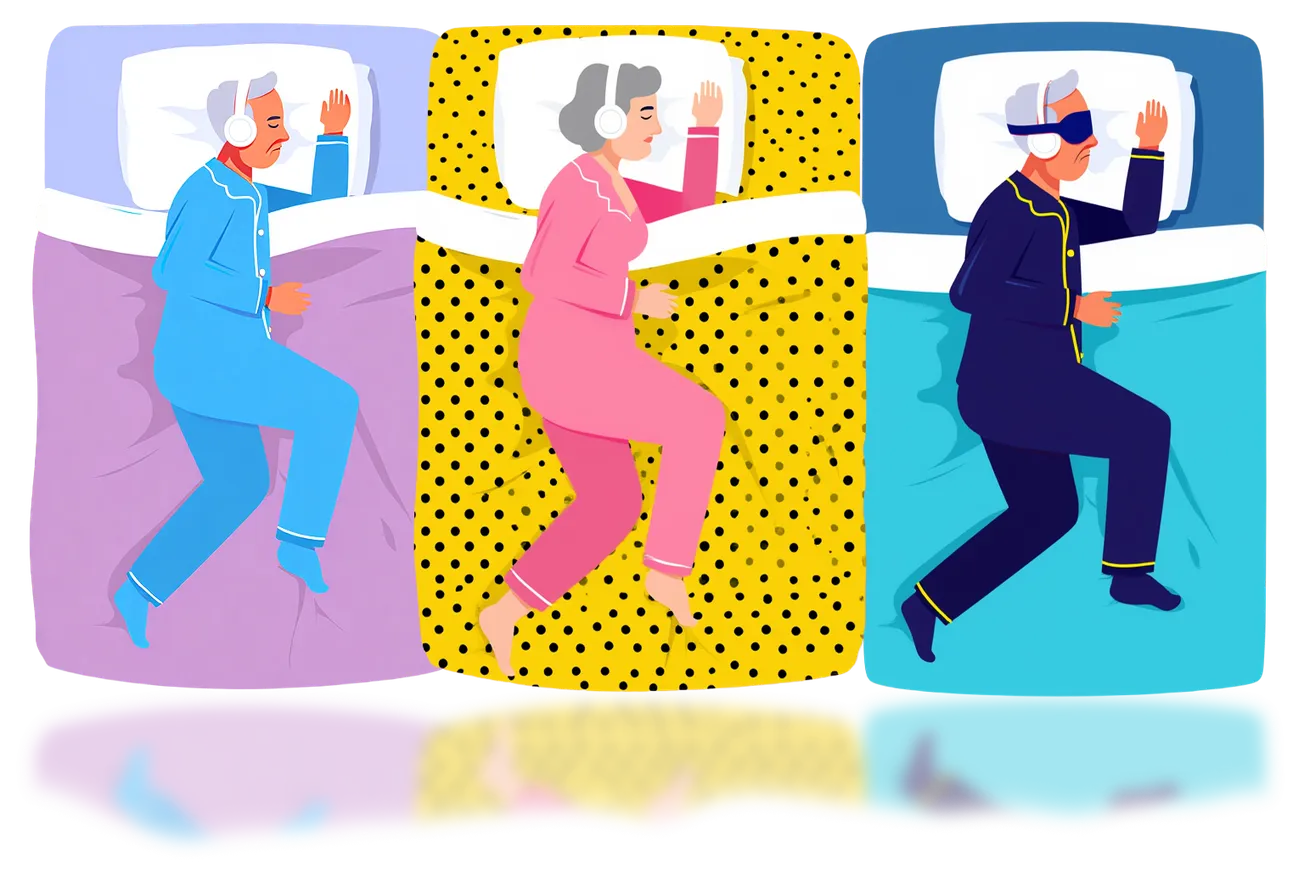
If you’ve heard the buzz about “sleep divorce,” you’ve probably also seen headlines suggesting separate bedrooms can ding your relationship.
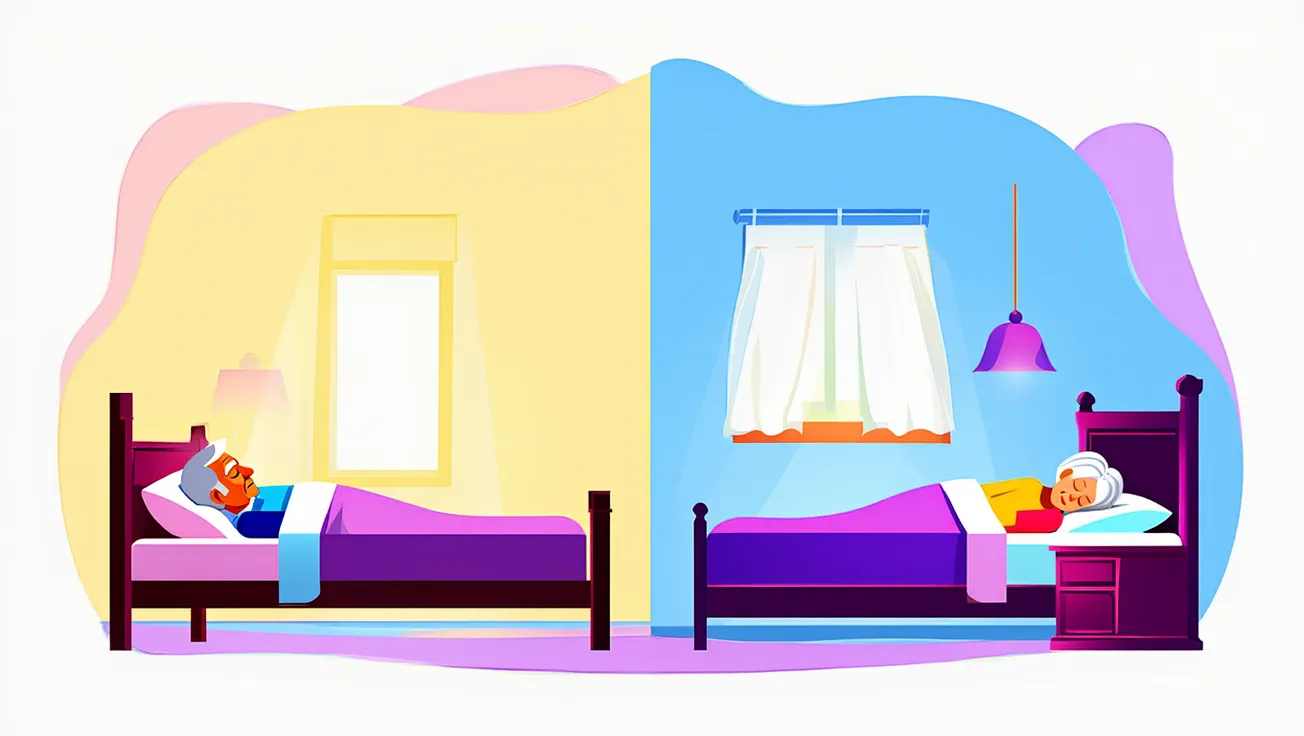
The latest example: a BMC Public Health paper that tracked happiness, life satisfaction, and fulfillment (what researchers bundled as “psychological well-being”) among 860 older Taiwanese couples. Couples sleeping in separate rooms scored lower than those sharing a bed.
Fox News’ take boiled it down to: choosing separate beds may pose “unseen challenges,” featuring commentary from sleep scientist Wendy Troxel, Ph.D. about how physical closeness can support mental health. Accurate as far as it goes — but it risks sounding like a blanket rule.
Even Troxel cautions that the study is cross-sectional (it shows correlation, not cause) and that pre-existing issues (snoring, apnea, illness) often drive the bed-split and the mood dip.
What the study actually did: Researchers used a multilevel statistical model (think: extra guardrails for couple-level effects) and still found a modest but consistent link between separate rooms and lower well-being.
They also tested whether mismatched bedtimes or wake times changed the story — they didn’t. The finding held even after a sensitivity check that factored in earlier relationship quality. Translation: the association isn’t just a proxy for “we were fighting, so we split bedrooms.”
So… should seniors avoid separate rooms? Not necessarily. Troxel — author of Sharing the Covers — has long argued the healthiest sleep setup is the one that balances rest and connection.
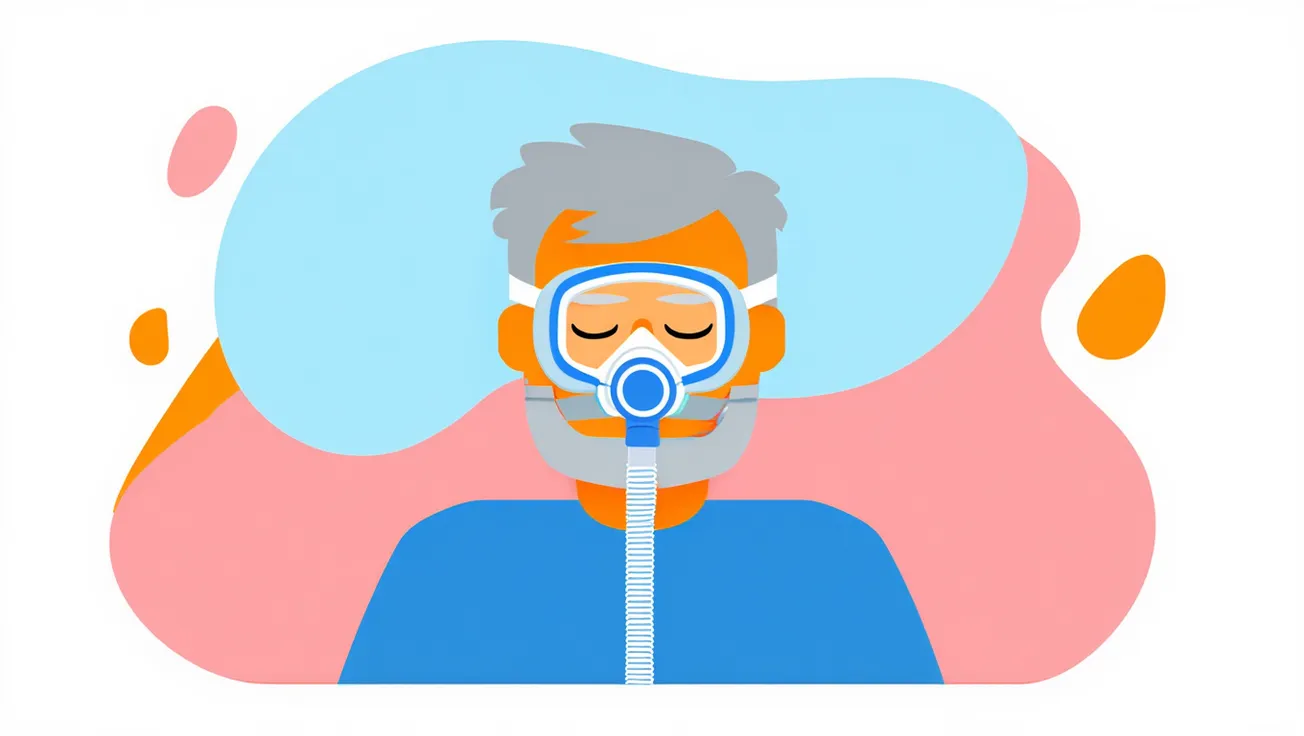
For some couples, that’s the same bed; for others (think: CPAP noise, restless legs, temperature wars), separate rooms with deliberate connection rituals can be the happiest middle path.
Why sharing a bed sometimes “feels” better: Light touch and cuddling can spur oxytocin release and lower stress — benefits that carry over into sleep and mood. That doesn’t mean you must spoon all night; many couples do a pre-sleep cuddle, then part ways to sleep well.
Smart ways to “sleep apart, stay close”
- Keep a ritual. Ten minutes of wind-down together (talk, read, pray, or cuddle) before heading to separate rooms.
- Meet in the morning. Coffee and a five-minute “How’d you sleep?” keeps the emotional bridge intact.
- Fix the fixable. If snoring or apnea triggered the move, pursue treatment — better sleep can lift mood and relationship patience.
- Reassure each other. Make it clear the goal is more rest, not less love. Troxel’s guidance: choose arrangements that support both quality sleep and connection.
How SSD interprets the headlines
- The study: real and carefully done; it links separate rooms with slightly lower well-being in older Taiwanese couples. It does not prove separate rooms cause unhappiness for everyone.
- The coverage: Fox highlights the risk side; fair, but probably a bit absolutist. The fuller story is choice + communication + sleep health.
Read the BMC Public Health study and Fox’s coverage, then decide what fits your life. If separate rooms are saving your sleep, keep the relationship rituals strong — that’s the glue.
Health disclaimer: Smart Senior Daily provides journalism and general information, not medical advice. Always talk with your clinician about sleep disorders, mental health, and treatment options.
Sources: Dr. Wendy Troxel, Fox News, BioMed Central, National Sleep Foundation, TIME