The Takeaway
- Most seniors take 5 or more prescription drugs
- Many side effects look like “normal aging”
- Falls, brain fog, and fatigue are common — and often preventable
- The risk isn’t just the drug — it’s how long and how many
- Knowing what’s typical helps you know what’s not
Walk into any pharmacy and you’ll see it play out quietly every day: older adults picking up medications they’ve taken for years, often without anyone revisiting why they’re still on them — or what they might be doing now.
Here are the 10 most commonly prescribed drug classes for seniors, and the side effects older adults most often report.
1. Statins (cholesterol drugs)
Used to reduce heart attack and stroke risk.
Common senior side effects
- Muscle pain or weakness
- Fatigue
- Brain fog or word-finding trouble (in some people)
Why it matters
High doses are common in seniors — and muscle weakness increases fall risk.
2. Blood pressure medications
Often prescribed in combinations.
Common senior side effects
- Dizziness when standing
- Lightheadedness
- Fatigue
Why it matters
Blood pressure that drops too much is a major fall trigger.
3. Proton pump inhibitors (PPIs)
Used for acid reflux and stomach protection.
Common senior side effects
- Low magnesium
- Vitamin B12 deficiency (long-term)
- Bone thinning
Why it matters
Many seniors stay on these years longer than intended.
4. Diabetes medications
Used to control blood sugar.
Common senior side effects
- Low blood sugar episodes
- Weakness
- Confusion that mimics stroke symptoms
Why it matters
Low blood sugar can cause sudden falls.
 Smart Senior Daily Staff
5. Antidepressants
Often prescribed for depression, anxiety, pain, or sleep.
Common senior side effects
- Drowsiness or agitation
- Balance problems
- Brain fog
Why it matters
Some affect blood pressure and alertness at the same time.
🔽 The One Appointment Most Seniors Never Schedule — But Should
Many medication problems don’t come from mistakes.
They come from momentum.
A prescription that made sense five or ten years ago may not make sense now — especially when other drugs have been added on top of it.
That’s why geriatric pharmacists recommend a Medication Check-In at least once a year, or anytime you notice new symptoms like dizziness, brain fog, or balance issues.
This isn’t about stopping medications on your own.
It’s about making sure what you’re taking still fits your life now
6. Thyroid medications
Used to treat hypothyroidism.
Common senior side effects
- Over- or under-replacement symptoms
- Heart rhythm changes
- Bone loss (if overdosed)
Why it matters
Small dose changes have big effects in older adults.
 Smart Senior Daily Staff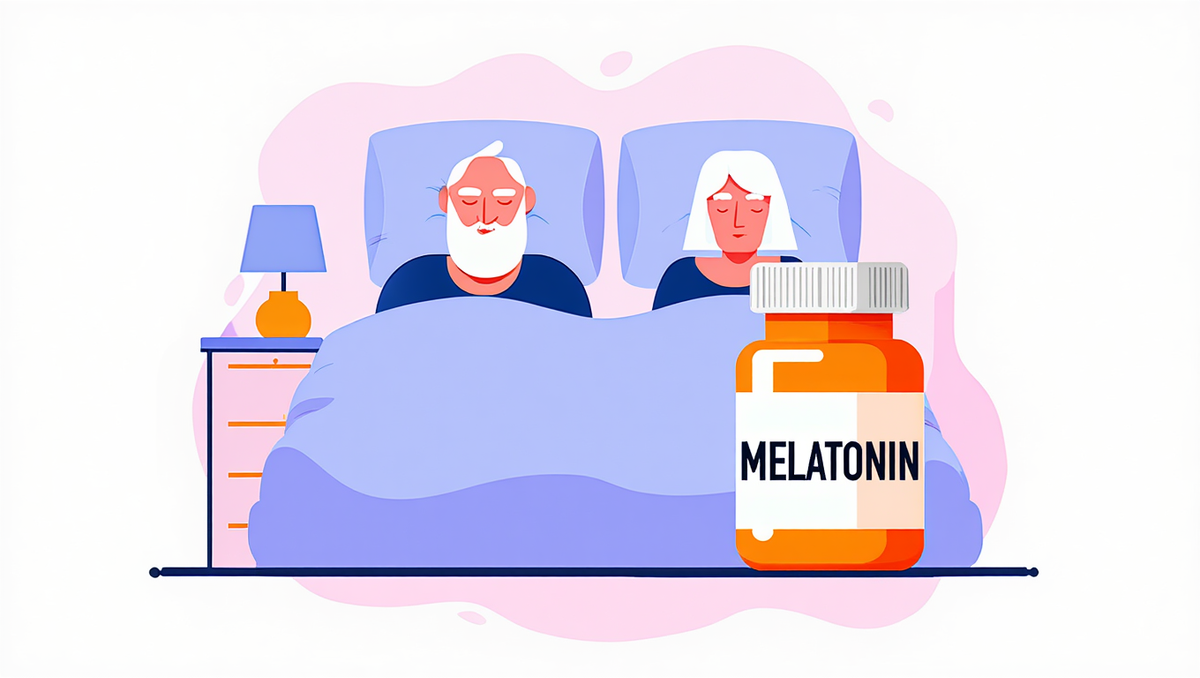
7. Blood thinners
Used to prevent strokes and clots.
Common senior side effects
- Easy bruising
- Bleeding risk
Why it matters
Falls + blood thinners = higher injury risk.
8. Pain medications
Includes gabapentin, NSAIDs, and opioids.
Common senior side effects
- Sedation
- Confusion
- Poor balance
Why it matters
Pain relief often comes at the cost of alertness.
9. Asthma and allergy medications
Used for breathing and allergy control.
Common senior side effects
- Drowsiness
- Mood changes (with some drugs)
- Confusion (especially older antihistamines)
10. Sleep medications
Used for insomnia.
Common senior side effects
- Memory problems
- Nighttime falls
- Dependence
Why it matters
Many geriatric specialists try to avoid these — but they’re still widely prescribed.
Disclaimer: This article is for educational purposes only and is not medical advice. Never stop, start, or change the timing of prescription medications without consulting your doctor or pharmacist. Individual risk varies based on health history, dosage, and combinations.